By Elena Rosario · Reviewed by Gabriel Moreau
Introduction to Solana
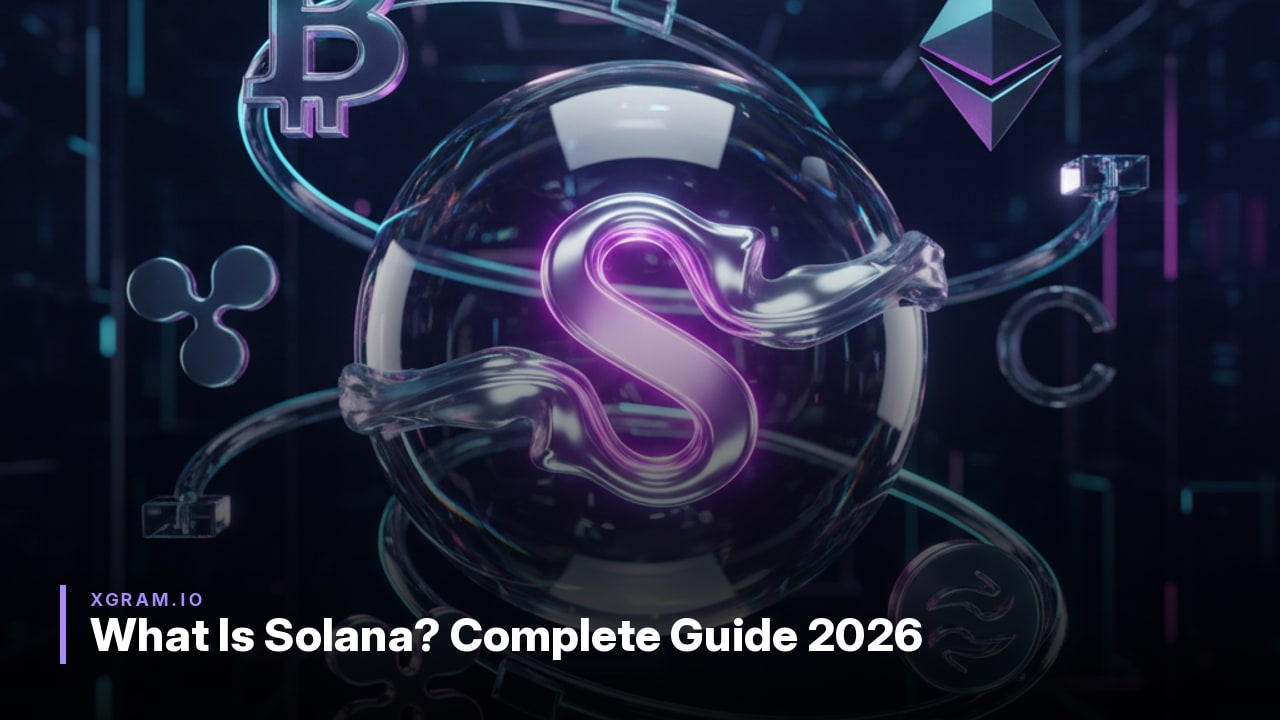
In the ever-evolving world of cryptocurrency, what is Solana stands out as a question that many enthusiasts and investors are eager to explore. Launched in 2020, Solana has emerged as one of the most promising blockchain platforms, known for its high throughput, low transaction costs, and a growing ecosystem of decentralized applications (dApps). In this complete guide, we will delve into the intricacies of Solana, examining its technology, ecosystem, and what the future may hold as of July 2, 2026.
Understanding Solana: The Basics
Solana is a high-performance blockchain designed to facilitate fast and inexpensive transactions. Its architecture allows it to process thousands of transactions per second (TPS), making it a strong competitor to Ethereum and other blockchain platforms. The key features that define Solana include:
- Scalability: Solana’s unique Proof of History (PoH) consensus mechanism allows the network to scale efficiently, accommodating a growing number of users and applications.
- Low Transaction Costs: With transaction fees often less than $0.01, Solana has positioned itself as an attractive option for developers and users looking to minimize costs.
- Developer-Friendly Environment: Solana provides developers with robust tools and resources, including a comprehensive SDK and support for popular programming languages like Rust and C.
Key Features of Solana
Understanding what makes Solana unique involves looking at several of its standout features:
1. Proof of History (PoH)
PoH is a novel consensus mechanism that timestamps transactions in a way that proves their order and passage of time. This innovation drastically reduces the workload for nodes, allowing for quicker transaction validation and overall network efficiency.
2. High Throughput
Solana’s architecture enables it to handle over 65,000 TPS, far exceeding Ethereum's current capacity. This high throughput is crucial for supporting a variety of applications, from decentralized finance (DeFi) to non-fungible tokens (NFTs).
3. Low Latency
With a block time of approximately 400 milliseconds, Solana ensures that transactions are confirmed in near real-time, enhancing the user experience and enabling applications that require instant interactions.
4. Ecosystem of dApps
The Solana ecosystem has rapidly expanded, with numerous dApps spanning DeFi, gaming, and NFTs. Projects like Serum, Raydium, and Solana Beach have gained significant traction, further solidifying Solana's position in the crypto space.
Solana's Ecosystem
The Solana ecosystem is a vibrant mix of applications and projects that leverage its unique capabilities. Some notable sectors within the ecosystem include:
- Decentralized Finance (DeFi): Solana has become a hub for DeFi projects due to its low fees and high speed. Applications such as Serum provide decentralized exchange capabilities, while others like Marinade Finance focus on yield farming.
- Non-Fungible Tokens (NFTs): The NFT market on Solana has exploded, with marketplaces like Solanart and Digital Eyes allowing creators to mint and sell their digital artworks with minimal fees.
- Gaming: Solana has also attracted game developers looking for fast transaction speeds and low costs, enabling innovative gameplay experiences that were previously unfeasible on other blockchains.
Solana vs. Ethereum: A Comparative Analysis
As of 2026, many comparisons are drawn between Solana and Ethereum, particularly regarding scalability, transaction costs, and user experience. The following table outlines the key differences:
| Feature | Solana | Ethereum |
|---|---|---|
| Consensus Mechanism | Proof of History (PoH) | Proof of Stake (PoS) |
| Transaction Speed | 65,000 TPS | 30 TPS (upgraded with Ethereum 2.0) |
| Average Transaction Fee | Less than $0.01 | Varies but can exceed $5 during peak times |
| Primary Use Cases | DeFi, NFTs, Gaming | Smart Contracts, DeFi, NFTs |
Solana's Market Performance
As of July 2, 2026, Solana's market capitalization has seen significant growth, positioning it among the top cryptocurrencies by market cap. Its price has fluctuated due to various market dynamics, but the overall trend suggests a strong adoption rate. Analysts predict that if the current trajectory continues, Solana could see its price reach between $200 and $300 by 2030, driven by increasing use cases and a robust ecosystem.
Investing in Solana: Risks and Best Practices
While Solana presents numerous opportunities, potential investors should be aware of the associated risks. Here are some best practices to consider:
- Research Thoroughly: Understand the technology and the teams behind the projects within the Solana ecosystem.
- Diversify Your Portfolio: Consider a balanced portfolio that includes a mix of cryptocurrencies to mitigate risk.
- Stay Updated: The crypto space evolves quickly, so keep an eye on market trends and updates related to Solana.
- Use Reliable Platforms: When trading or swapping Solana, consider using platforms like Xgram.io, which offers registration-free swaps and fast execution without KYC for most users.
Conclusion
In summary, understanding what is Solana involves recognizing its groundbreaking technology and the growing ecosystem it supports. As of 2026, Solana stands out as a formidable contender in the blockchain space, with its high throughput, low fees, and a vibrant community of developers and users. With careful consideration and informed strategies, investors and users alike can navigate the exciting opportunities that Solana presents.
What are your thoughts on Solana and its future? Share your opinions in the comments below!
This is not financial advice.

Private crypto swaps
Best rates. Secure. Wallet to wallet

 5 Min
5 Min