

TL;DR: Litecoin is a popular digital currency that uses a proof-of-work mechanism, meaning miners solve complex math to validate transactions. You can start with either a CPU, GPU, or specialized ASIC miner, but ASICs are the most efficient. Once you set up your hardware, install mining software and consider joining a pool for steadier rewards. Managing costs, staying updated on market trends, and staying mindful of energy efficiency are all key choices. By following a structured plan, you are well on your way to mining Litecoin confidently.
Understand how Litecoin works
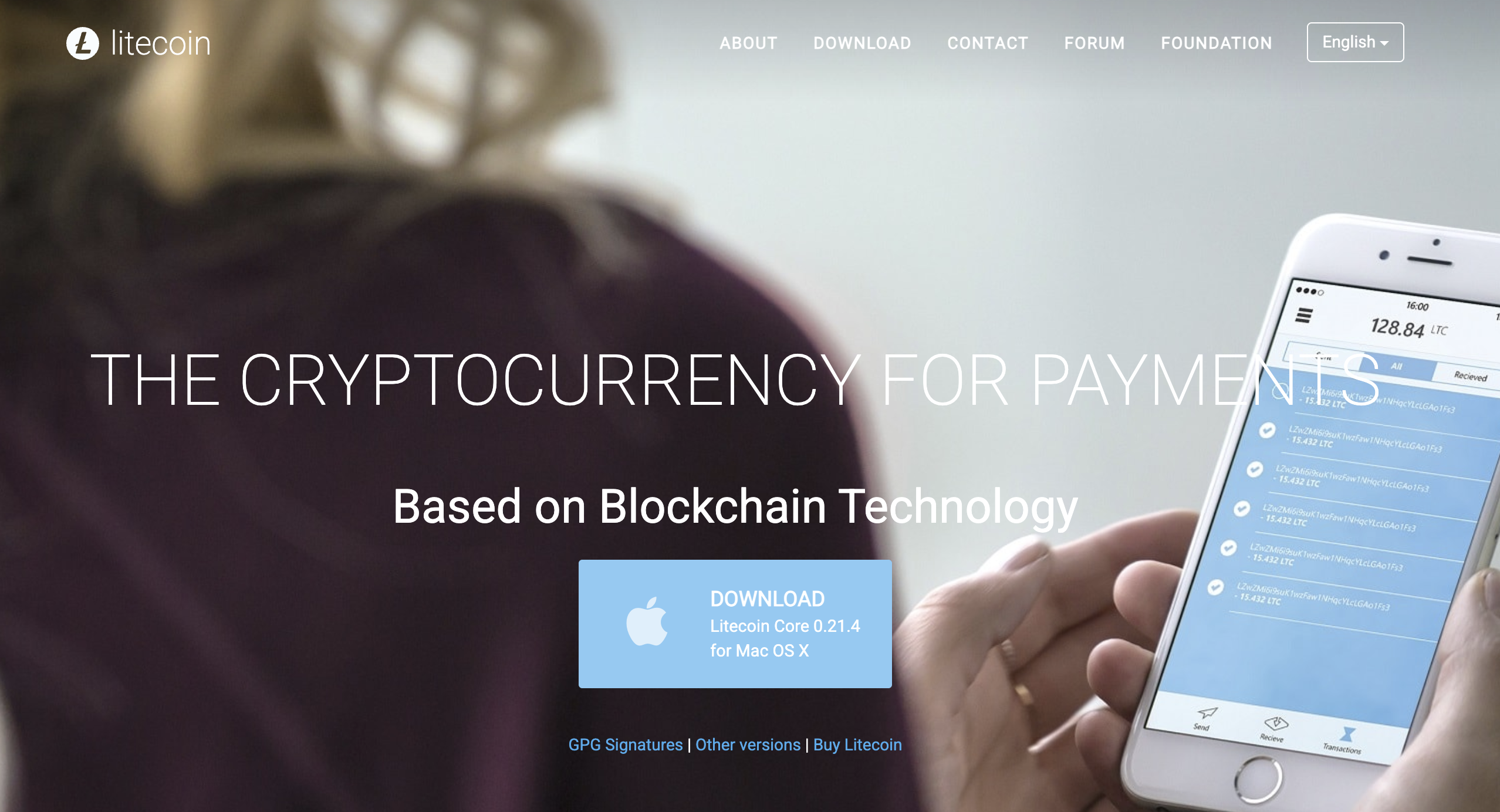
Litecoin emerged in 2011 as a fork of Bitcoin, aiming to offer faster confirmation times and a more accessible mining process. Like Bitcoin, it uses a proof-of-work consensus mechanism, which means miners contribute computing power to confirm network transactions. In exchange, the network rewards miners with newly minted Litecoin, plus transaction fees.
Unlike Ethereum (which has shifted away from proof-of-work) and some newer coins, Litecoin has stayed true to its original mining approach. Its block time is around 2.5 minutes, which is four times faster than Bitcoin. This speed is a major advantage if you want more frequent but smaller rewards.
Mining Litecoin involves intricate math called the Scrypt algorithm. It handles memory-intensive computations, which initially gave regular CPU and GPU miners a fighting chance. Over time, specialized ASICs (Application-Specific Integrated Circuits) arrived and made mining more competitive. You can still use GPUs, but be prepared for stiffer competition.
When you compare Litecoin to other cryptos, one advantage is its broad acceptance. A variety of merchants let you pay with LTC, and it can be a cheaper, faster alternative for everyday transactions. This real-world use keeps the network robust and can make your mining more meaningful.
Know the mining requirements
Before you jump into how to mine Litecoin, understand what you need. The essentials break down as follows:
- A dedicated mining machine (CPU, GPU, or ASIC hardware)
- Stable internet connection to keep your miner synced with the blockchain
- Mining software that supports Scrypt-based coins
- An LTC wallet address to store earned Litecoin
If you are just testing the waters, you might start with a home computer and a CPU or GPU-based miner. Be aware, though, that mining difficulty has grown in recent years, so a standard setup might yield small profits or break even once you factor in electricity costs. ASIC miners can cost more upfront but deliver significantly higher hash power, the speed at which you solve the computational puzzles.
Consider your local electricity rates. Mining is power-intensive, and your electricity bill can eat into your profits if you are not prepared. Some experts recommend calculating your potential earnings in advance by using online mining calculators. Input your expected hash rate, hardware cost, and electricity rate to see how long it can take to break even.
If you live in a place where electricity is expensive, it might make more sense to explore alternative coins with lower difficulty or invest in cloud mining. The latter approach involves renting computing power in someone else’s facility. It takes away the hardware headaches but often includes contract fees and smaller margins.
Pick your hardware
Your choice of hardware directly influences your mining performance. Let us break down the main hardware categories to see which might fit you best.
CPU or GPU rigs
If you are on a tight budget or want to experiment, you might try CPU or GPU mining. Most modern computers have a CPU that can technically mine Litecoin, but the yield is minimal. A GPU rig can offer a better hash rate, especially if you have high-end graphics cards. However, GPU-based mining for Litecoin is not as profitable as it once was due to ASIC competition.
Pros:
- Lower initial investment
- Flexible for mining other coins or gaming
- Easier to resell if you decide to stop
Cons:
- Significantly lower efficiency on Litecoin
- May not turn a profit once electricity and hardware wear are considered
ASIC rigs
ASIC miners are specially built for a single algorithm, making them incredibly efficient at mining Scrypt, the algorithm Litecoin uses. If you are serious about how to mine Litecoin on a competitive level, ASICs are the go-to choice. They offer higher hash rates and a chance at real profit.
Pros:
- Much better hash rate
- Generally more profitable for mining Litecoin
- May offer faster ROI if market conditions are favorable
Cons:
- Higher upfront cost
- Not useful for other coins
- Generates notable heat and noise
Balancing cost, maintenance, and ROI is crucial. If you want a hobbyist approach, a GPU rig might suffice as a learning experience. For a realistic shot at consistent rewards, ASIC miners are the path to take. Always keep electricity, cooling, and ongoing hardware upgrades in mind when you budget.
Set up your mining software
Once your hardware is ready, the right software transforms raw computing power into verifiable network contributions. Most Scrypt-compatible mining programs function similarly: They connect to the Litecoin network, handle hashing tasks, and provide stats on your performance.
Some popular mining software for Litecoin includes CGMiner, EasyMiner, and MultiMiner. These programs let you configure basic settings like:
- Pool details (URL, user, password)
- Hardware optimizations (intensity, voltage tweaks)
- Monitoring settings (temperature, fan speed, performance metrics)
Many miners run their setup on Linux-based systems for stability and resource efficiency. Others prefer Windows or macOS for familiarity. The choice usually depends on your comfort level and the hardware drivers available.
Once you install the software, keep an eye on your hash rate, accepted shares, and error messages. Sometimes a tiny tweak to the intensity setting can push your performance higher without adding extra strain or power draw. If you spot frequent hardware errors or invalid shares, dial down the settings for a stable run.
Join a reliable mining pool
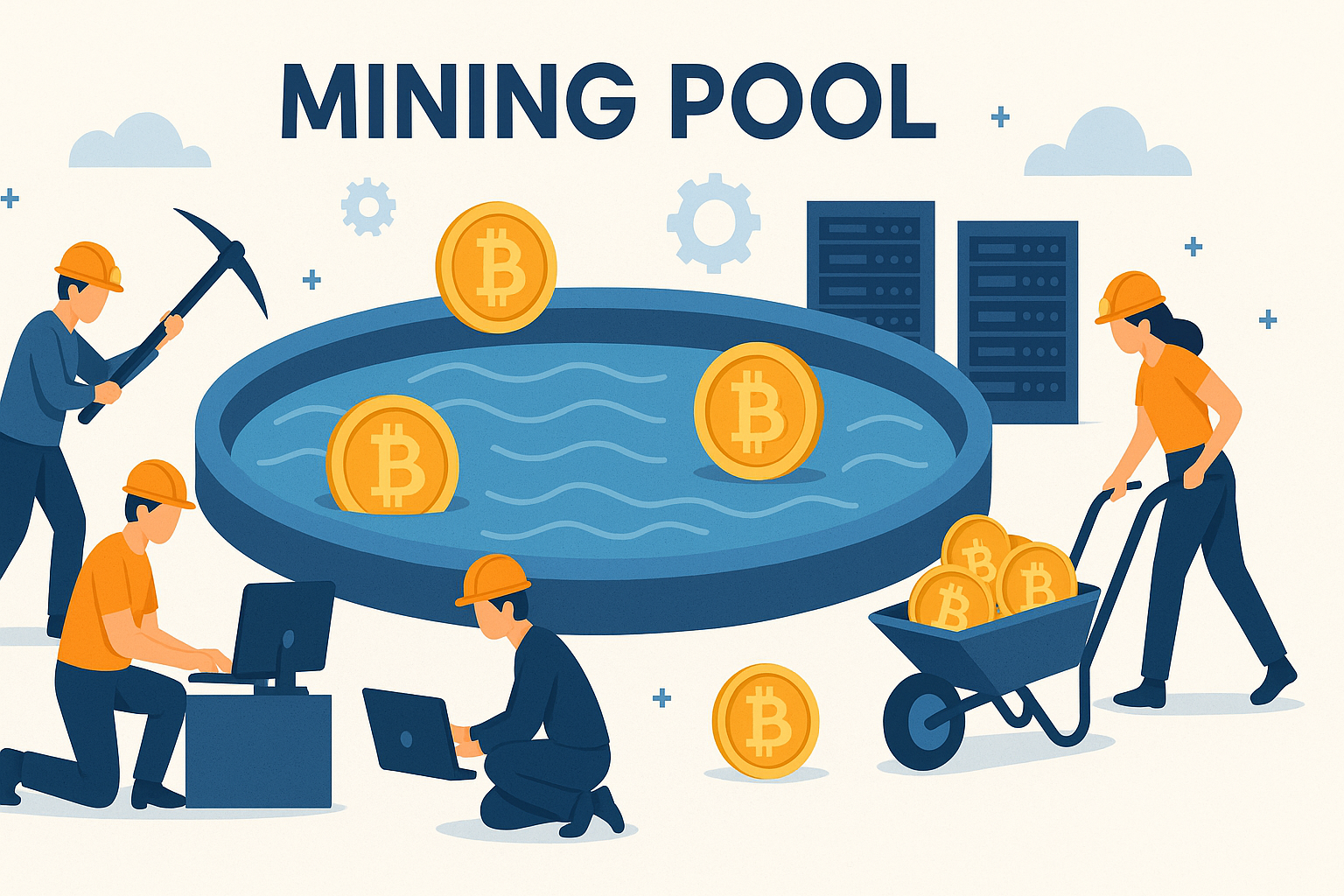
Mining Litecoin solo means attempting to find blocks on your own. If your hash rate is not high enough, you could wait ages before winning a block reward. A mining pool gathers hundreds or thousands of miners who pool their hash power. If the joint group finds a block, the reward gets split among participants proportionally to their contributed hash power.
This approach smooths out your payouts, delivering smaller but more consistent earnings. When picking a pool:
- Evaluate the fee structure. Most pools charge around 1% to 2% as a maintenance fee.
- Check the server location. Closer servers can lower latency and improve the reliability of your shares.
- Look for a strong community presence and transparent payout records.
Pools can differ in how they distribute rewards. For instance, some operate on a Pay-Per-Share (PPS) model, offering consistent payouts for each share submitted. Others use a Proportional or Pay-Per-Last-N-Shares (PPLNS) model, which might be slightly riskier but can yield higher returns if you submit quality shares consistently.
Optimize your costs and returns
Your ability to manage operating costs and adapt to market swings will make or break your mining experience. Plenty of new miners focus on raw hash power but neglect the impact of electricity rates, cooling, or hardware depreciation. Spend time calculating all these factors. This ensures you have a realistic sense of potential payoff.
Here are a few strategies to optimize your operation:
- Monitor power usage. Use efficient power supplies and keep track of power draw with a wattmeter.
- Improve airflow. Ensure your rigs stay at optimal temperatures to prevent throttling or shutdowns.
- Watch the market. Periodically compare Litecoin’s price to your daily mining cost. Sometimes, short-term fluctuations can briefly turn a profitable setup into a net negative.
- Reinvent your strategy. If profits dip, consider other Scrypt-based coins that might be less competitive, or repurpose your rigs accordingly.
Consistency counts. Mining is rarely an overnight success. Keep an eye on your finances, adjust your hardware to remain cost-effective, and think long term. If you are new to crypto, this learning process teaches you how to navigate the ups and downs of digital assets.
Explore xgram for exchanges
Once you start mining Litecoin, you will eventually want to exchange LTC for other cryptocurrencies or perhaps local currency. A balanced approach helps you convert profits wisely and manage risk. You do not always need to keep everything in Litecoin.
Xgram is an exchange platform that can simplify this step. Although it is not as widely known as some major marketplaces, it stands out in a few key ways. First, you can make cross-chain exchanges and regular swaps, letting you move between different blockchains with ease. Second, you can save on fees, which is especially handy if you trade often and want to keep more of your gains. Third, you can skip connecting a wallet during transactions, which feels convenient if you prefer not to grant external platforms wallet access. Fourth, it offers a straightforward user interface, making trades accessible even to beginners. Finally, it provides reliable customer support if you do run into any snags.
Balancing your Litecoin holdings with other assets can buffer you from market downturns. If LTC is surging, you might sell some on xgram and diversify. If LTC dips, you might hold or buy more if you are confident in its long-term value. The choice depends on your strategy and risk tolerance, but an exchange that streamlines the process can help you stay agile.
Common questions about Litecoin mining
Mining Litecoin is a journey that often sparks curiosity. Below are five frequently asked questions to guide you further.
What is the current reward for mining a Litecoin block?
The Litecoin network halves its block reward roughly every four years. Right now, each block reward is 6.25 LTC, although this can change during the next halving. The halving process keeps Litecoin deflationary and influences the value of LTC over time.
Is it better to mine solo or join a pool?
For most beginners, joining a pool is better. Pool mining gives you more frequent, smaller rewards rather than waiting ages for a solo block. If you have a powerful ASIC rig and low electricity rates, you could try solo mining, but the unpredictability can be discouraging if you go too long without finding a block.
Do I need a specific wallet for mining rewards?
Any LTC-compatible wallet will do. You could opt for a hardware wallet for extra security or a software wallet on your computer for convenience. Just make sure you control the private keys, especially if you are building a position for the long run.
How quickly can I start seeing returns?
It depends on your hash rate, electricity costs, and current market conditions. Some miners see enough returns to cover daily electricity after a week or two, while others may need months to break even on hardware costs. Mining is a commitment, so plan your finances accordingly.
What happens if mining becomes unprofitable?
If Litecoin’s price drops too far or if your costs spike, you may want to pause or switch to a more profitable coin. You can also rent out your rigs or repurpose them for tasks like GPU rendering or even gaming, depending on your setup. Flexibility ensures you do not get stuck in a losing situation.
Build a lasting strategy
Winning in Litecoin mining is about steady, informed choices. First, pick suitable hardware and operating conditions so you are not bleeding funds on electricity. Next, remain open to software updates, new mining pools, and potential forks or protocol proposals that can impact your earnings. Finally, keep track of your LTC holdings and make strategic conversions when favorable market conditions arise.
Remember, consistent reevaluation is key. Check your progress weekly or monthly. Are you still profitable? Is Litecion’s difficulty level climbing? Are there better miners for sale? Mining is dynamic, so your approach should be, too.
Here is a quick roadmap to help you keep focus:
- Choose your hardware. ASIC rigs give you a stronger chance of profit, but GPU rigs are easier to use and resell.
- Pick a mining software solution and optimize your settings.
- Join a mining pool for consistent rewards and less downtime.
- Keep an eye on costs like electricity, hardware maintenance, and upgrades.
- Explore exchange platforms like xgram to diversify or convert your earnings when the timing is right.
If you stay flexible and build from a solid foundation, Litecoin mining can be a worthwhile venture that boosts your understanding of cryptocurrency and helps you become more comfortable with digital assets overall.
Practical next steps
If you feel ready, it is time to act. Download reputable mining software, configure your settings, and run a quick test. Remember to keep an eye on your temps and clock speeds to avoid hardware damage. Check your wallet address carefully when directing mining rewards, since crypto transactions cannot be reversed.
While you should manage expectations—overnight riches are unlikely—Litecoin mining remains a real opportunity to earn LTC while supporting a longstanding network. If the markets shift, your knowledge and hardware can be repurposed. Focus on learning, adapt to new developments, and steadily refine your approach.
You have got this. With the right balance of ambition, research, and perseverance, mining Litecoin can be your stepping stone to broader cryptocurrency expertise. Good luck, and enjoy the process as you gain confidence in this dynamic space.

 5 Min
5 Min