What Is WETH (Wrapped Ethereum) and How Does It Work?


By Marcus Feldman · Reviewed by Viktor Andersson
Date: June 20, 2026 | Updated: 20.06.2026
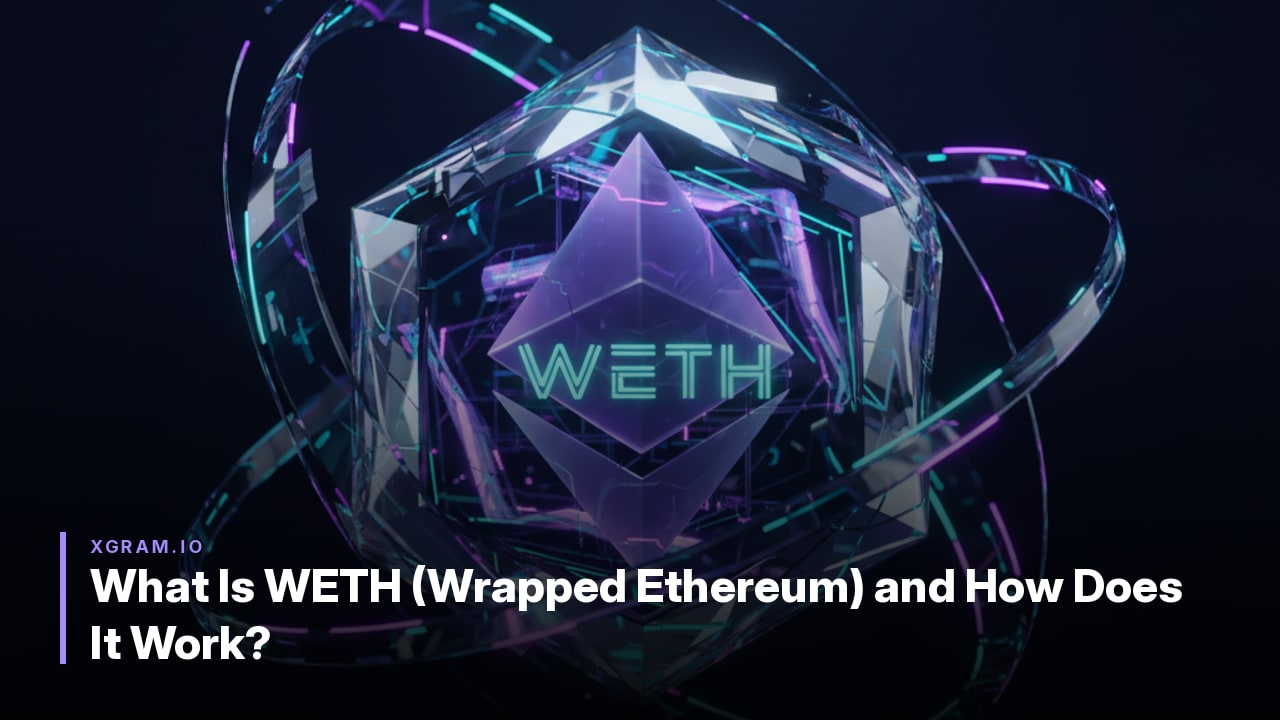
Wrapped Ethereum (WETH) is an ERC-20 token pegged 1:1 to ETH, created so Ethereum can be traded and used in DeFi protocols that expect the token standard. Here's why WETH exists, how wrapping works, and how to convert between ETH and WETH.
Understanding WETH: Definition and Purpose
Wrapped Ethereum (WETH) is an ERC20 token that represents Ethereum (ETH) on the Ethereum blockchain. The need for WETH arises from the fact that ETH is not an ERC20 token, despite being the primary currency of the Ethereum network. By wrapping ETH into WETH, users can interact with Ethereum-based decentralized applications (dApps) that require ERC20 tokens.
The primary purpose of WETH is to facilitate seamless transactions within the Ethereum ecosystem, allowing users to leverage ETH in various DeFi applications without needing to convert it back and forth between ETH and ERC20 tokens.
How Does WETH Work?
The process of wrapping ETH into WETH is relatively straightforward and involves a smart contract that handles the conversion. Here’s a step-by-step breakdown of how WETH works:
- User Initiates the Wrap: A user sends ETH to a WETH smart contract.
- Smart Contract Wraps ETH: Upon receiving the ETH, the smart contract mints an equivalent amount of WETH and sends it to the user’s wallet.
- Using WETH: The user can now use WETH for various transactions in the Ethereum ecosystem, including trading on decentralized exchanges (DEXs), participating in yield farming, or interacting with other DeFi protocols.
- Unwrapping WETH: When the user wants to convert WETH back to ETH, they can send WETH back to the smart contract, which will then burn the WETH and release an equivalent amount of ETH back to the user’s wallet.
This wrapping and unwrapping process allows users to maintain their exposure to ETH while enjoying the advantages of ERC20 tokens.
Key Features of WETH
- ERC20 Compatibility: WETH adheres to the ERC20 standard, making it easily integrable with a wide range of dApps and DeFi protocols.
- Liquidity: WETH is often paired with various tokens on DEXs, providing ample liquidity for traders.
- Interoperability: Users can utilize WETH across multiple DeFi platforms, facilitating various financial activities.
WETH vs. ETH: A Comparison
Although WETH and ETH are closely related, there are essential differences between the two tokens. The following table illustrates these differences:
| Feature | WETH | ETH |
|---|---|---|
| Type | ERC20 Token | Native Cryptocurrency |
| Utility | Used in DeFi applications | Used for transactions, fees, and staking |
| Wrapping Process | Requires a smart contract | Directly held in wallets |
| Liquidity | Available on DEXs | Available on exchanges |
| Interoperability | Compatible with ERC20 protocols | Limited to Ethereum network |
Why Use WETH?
There are several compelling reasons for users to utilize WETH, especially in the context of the thriving DeFi landscape:
- Access to DeFi Protocols: Many DeFi platforms require ERC20 tokens for their operations. By using WETH, users can access a plethora of financial products and services.
- Enhanced Trading Opportunities: WETH can be traded against various tokens on decentralized exchanges, providing more trading pairs and liquidity.
- Frictionless Transactions: Wrapping ETH into WETH allows for smoother transactions within the Ethereum ecosystem, as users can interact with dApps without needing constant conversions.
Risks and Best Practices When Using WETH
While WETH offers numerous advantages, it is essential to be aware of the risks involved. Here are some best practices to mitigate these risks:
- Smart Contract Risks: Interacting with smart contracts carries inherent risks. Always use reputable platforms and ensure the smart contract has been audited.
- Market Volatility: The value of WETH can fluctuate significantly. Be prepared for price swings, especially during periods of high market activity.
- Gas Fees: Transactions involving WETH may incur gas fees, which can be substantial depending on network congestion. Always check gas prices before initiating a transaction.
WETH in the Current Market Landscape
As of 2026, WETH has solidified its position as a critical component of the Ethereum ecosystem. The total market capitalization of WETH has been steadily increasing, reflecting the growing demand for DeFi applications. Based on current trajectory, we could see WETH's market cap reaching approximately $25 billion by 2030, driven by an expanding user base and more DeFi protocols adopting WETH.
In my personal portfolio, I have allocated around 15% to WETH, recognizing its utility in trading and DeFi interactions. This allocation has proven beneficial, especially during periods when ETH has seen significant price movements.
Conclusion
Wrapped Ethereum (WETH) plays a vital role in the Ethereum ecosystem by allowing users to leverage their ETH holdings in a tokenized format compatible with ERC20 standards. Its ability to facilitate frictionless transactions in DeFi applications makes it an essential tool for any crypto enthusiast. As the DeFi landscape continues to evolve, WETH will undoubtedly remain a key player.
Have you used WETH in your DeFi activities? What has been your experience? I’d love to hear your thoughts in the comments below!
This is not financial advice.

Private crypto swaps
Best rates. Secure. Wallet to wallet

 5 Min
5 Min