What Is a Private Wallet vs. a Custodial Wallet?


By Arjun Mehta · Reviewed by Priya Raman
Date: June 19, 2026 | Updated: 19.06.2026
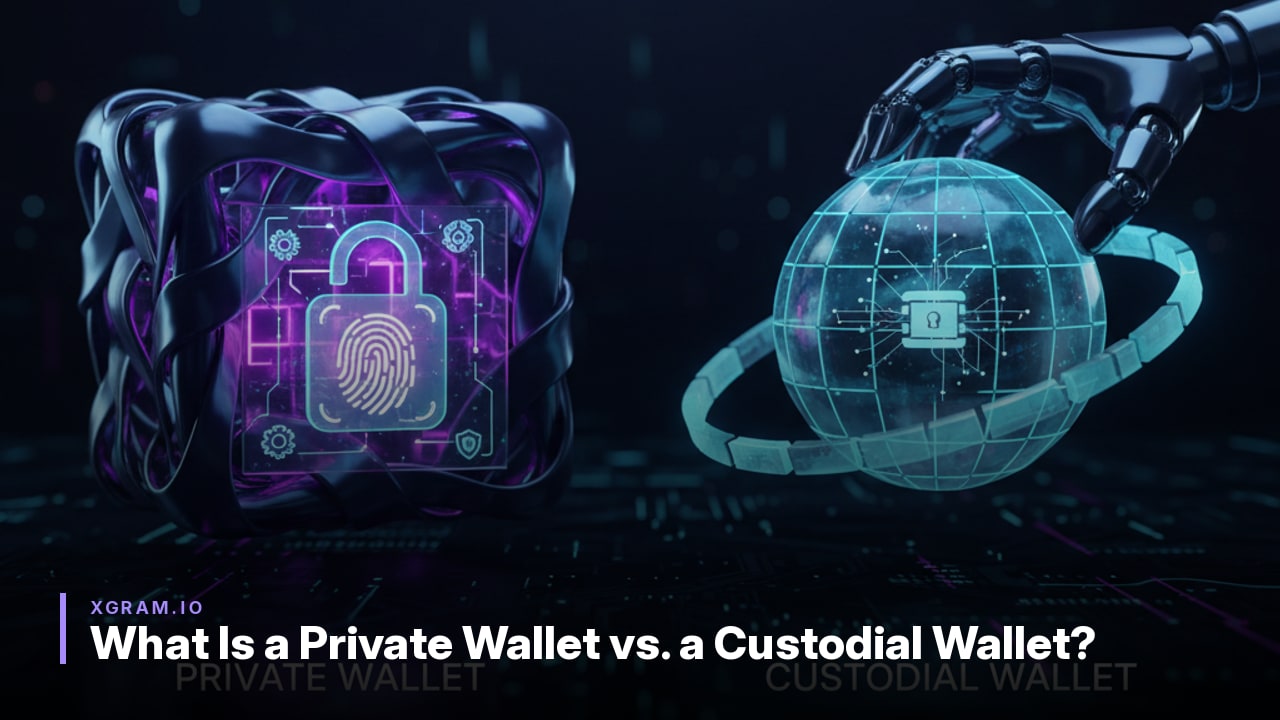
The difference comes down to one question: who holds your keys? A private (non-custodial) wallet puts you in full control, while a custodial wallet hands that responsibility to a third party. Here's how each works and which one fits your needs.
Understanding Cryptocurrency Wallets
Before diving into the nuances of private and custodial wallets, let’s clarify what a cryptocurrency wallet is. A crypto wallet is a digital tool that allows users to store, send, and receive cryptocurrencies. Unlike traditional wallets, which hold physical cash, crypto wallets store your public and private keys that enable you to access your digital assets.
What Is a Custodial Wallet?
A custodial wallet is a type of wallet where a third party, usually an exchange or a service provider, holds and manages your private keys. This means that the service controls access to your funds. While custodial wallets often provide a user-friendly experience with features like easy swaps and instant access to your funds, they come with their own set of risks.
Advantages of Custodial Wallets
- User-Friendly: Custodial wallets are typically easier to use for beginners as they often come with intuitive interfaces.
- Convenience: Quick access to funds and built-in features such as trading and staking.
- Customer Support: Most custodial services provide customer support to help users with issues.
Disadvantages of Custodial Wallets
- Security Risks: Since the provider holds your keys, your funds are vulnerable to hacks and breaches.
- Lack of Control: Users have to trust the third party to manage their assets properly.
- Regulatory Issues: Some custodial wallets may require KYC, which can compromise user privacy.
What Is a Private Wallet?
A private wallet, also known as a non-custodial wallet, allows users to have complete control over their private keys. This means you are responsible for securing your funds, but it also means you have full autonomy over your assets. Private wallets can take various forms, including hardware wallets, software wallets, and even paper wallets.
Advantages of Private Wallets
- Enhanced Security: Since you control your private keys, there’s a reduced risk of hacks that target custodial services.
- Full Control: Users have complete ownership of their assets and can transact without intermediaries.
- Better Privacy: Most private wallets do not require KYC, providing a more anonymous experience.
Disadvantages of Private Wallets
- Responsibility: Users must take the necessary steps to secure their wallets, including backup and recovery.
- Complexity: Some private wallets can be more complicated for beginners, requiring a learning curve.
- No Customer Support: If you lose access to your wallet, there’s usually no one to help you recover it.
Key Differences Between Private and Custodial Wallets
| Feature | Custodial Wallet | Private Wallet |
|---|---|---|
| Ownership of Private Keys | Third-party holds keys | User controls keys |
| Security | Vulnerable to hacks | More secure, if managed properly |
| User Experience | Typically easier to use | Can be complex for beginners |
| Privacy | KYC may be required | Generally does not require KYC |
| Access to Funds | Instant access | Access can vary based on wallet type |
When to Use Each Wallet Type
Choosing between a private wallet and a custodial wallet depends on your needs and your experience level. Here are some guidelines:
When to Choose a Custodial Wallet
- If you are a beginner and need a user-friendly experience.
- If you plan to trade regularly and need quick access to your funds.
- If you prefer having customer support available in case of issues.
When to Choose a Private Wallet
- If you value security and want full control over your assets.
- If you plan to hold your cryptocurrencies for the long term.
- If you are concerned about privacy and do not want to share your personal information.
My Personal Experience with Wallets
In my journey through the crypto landscape, I have tried both wallet types. Initially, I used a custodial wallet for its ease of use and quick access to funds. However, after experiencing a few security scares and seeing friends lose their funds due to exchange hacks, I transitioned to private wallets. Today, my portfolio allocation is approximately 70% in a hardware wallet and 30% in a software wallet for daily transactions.
Market Trends and Future Considerations
As we move further into 2026, the crypto landscape is evolving rapidly. Based on current trajectories, it’s expected that the demand for private wallets will increase as users become more aware of security risks. Market analysts predict that the total value of cryptocurrencies held in private wallets may rise from approximately $500 billion today to over $1 trillion by 2030. This shift will likely lead to more innovative solutions and features aimed at enhancing user security and experience.
Pros and Cons of Using Wallets
Pros of Custodial Wallets
- Speed: Quick transactions with minimal setup.
- Convenience: Easy access to trading and other services.
Cons of Custodial Wallets
- Risk of Loss: High risk of losing funds due to third-party issues.
- Privacy Concerns: Personal data may be collected and stored.
Pros of Private Wallets
- Security: Greater control over your assets and keys.
- Privacy: Less information required for use.
Cons of Private Wallets
- Risk of Loss: Losing access to your wallet can mean losing your funds.
- Complexity: Can be intimidating for new users.
The Future of Wallet Solutions
As we look ahead, it's essential to recognize the growth of non-custodial solutions. Platforms like Xgram.io are paving the way for a more seamless crypto experience, providing registration-free swaps where most transactions can be completed without KYC. With features like Smart Hedge for rate protection and fast swaps, users can enjoy a secure and efficient trading experience without the hassle of identity verification for most swaps.
Conclusion
Deciding between a private wallet and a custodial wallet ultimately comes down to your personal preferences and risk tolerance. While custodial wallets offer convenience, private wallets empower you with control and security. My personal experience has led me to prioritize security above all, and I encourage you to evaluate your own needs carefully. What has your journey been like in choosing a wallet? Share your thoughts in the comments below!
This is not financial advice.

Private crypto swaps
Best rates. Secure. Wallet to wallet

 5 Min
5 Min