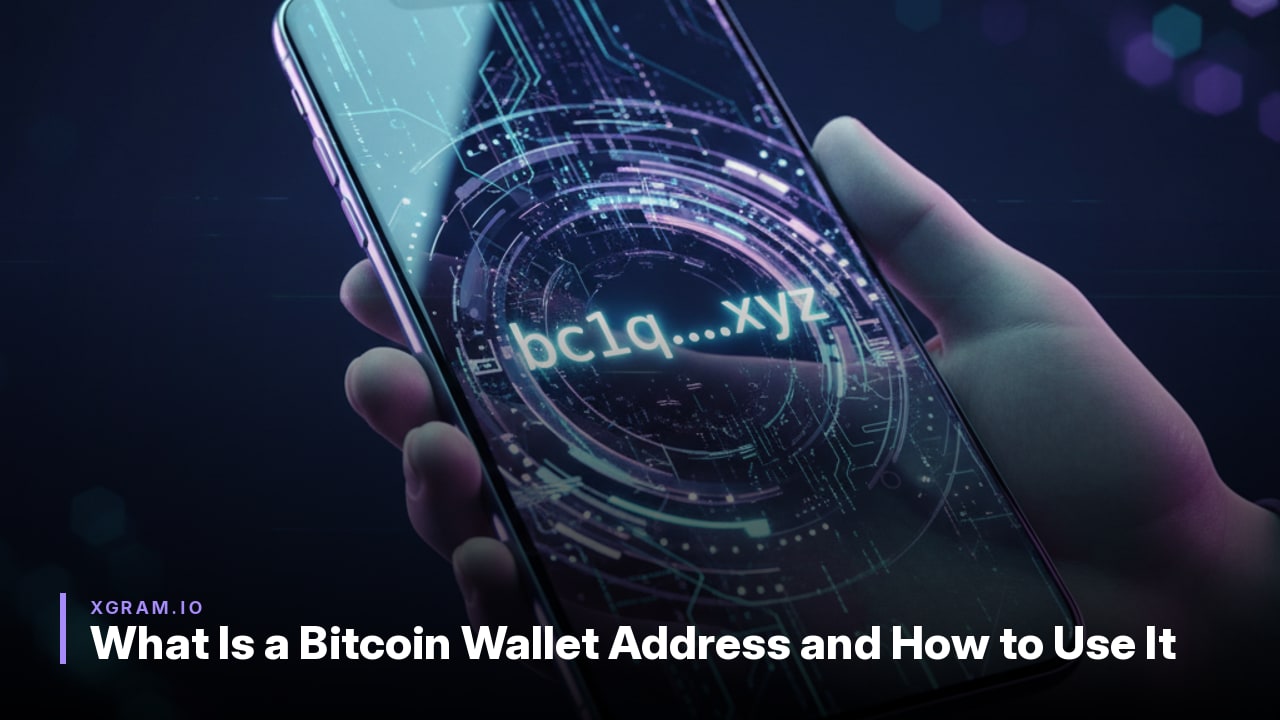
What Is a Bitcoin Wallet Address and How to Use It


By Elena Rosario · Reviewed by Gabriel Moreau
Date: June 20, 2026 | Updated: 20.06.2026
A Bitcoin wallet address is the unique string you share to receive BTC — your public identifier on the Bitcoin network. This guide explains the different address types, how to use one safely, and the mistakes that can cost you funds.
What Is a Bitcoin Wallet Address?
A Bitcoin wallet address is a unique string of characters that serves as your public identifier on the Bitcoin network. Think of it as your email address or bank account number, where you can receive Bitcoin from others. The address is derived from your Bitcoin wallet, which can be software-based (hot wallets) or hardware-based (cold wallets). Each wallet can generate multiple addresses, allowing you to manage and segregate your funds effectively.
Structure of a Bitcoin Wallet Address
Bitcoin addresses can vary in structure, but they typically fall into three categories:
- P2PKH (Pay-to-PubKeyHash): These addresses start with the number ‘1’ and are the most traditional format.
- P2SH (Pay-to-Script-Hash): Starting with ‘3’, these addresses are used for multi-signature wallets and other complex scripts.
- Bech32 (Native SegWit): These addresses begin with ‘bc1’ and are designed for improved efficiency and lower transaction fees.
How to Use a Bitcoin Wallet Address
Using a Bitcoin wallet address is straightforward. Here’s a step-by-step guide to help you get started:
- Choose a Wallet: Select a wallet that meets your needs. Popular options include Coinbase, Exodus, and Ledger for hardware wallets.
- Create Your Wallet: Follow the wallet provider’s instructions to set up your wallet. Make sure to secure your private keys.
- Locate Your Bitcoin Address: After creating your wallet, find your Bitcoin address within the app or platform. It’s usually displayed prominently.
- Share Your Address: To receive Bitcoin, share your wallet address with the sender. You can copy it directly or use a QR code.
- Send Bitcoin: To send Bitcoin, input the recipient's wallet address and specify the amount. Always double-check the address before confirming the transaction.
- Track Your Transactions: Use a blockchain explorer to monitor the status of your transactions in real-time.
Best Practices for Managing Your Bitcoin Wallet Address
While using a Bitcoin wallet address is simple, there are best practices to enhance your security:
- Use Unique Addresses: Generate a new address for every transaction to enhance privacy and security.
- Backup Your Wallet: Regularly back up your wallet information, including private keys, to prevent loss.
- Enable Two-Factor Authentication: If your wallet supports it, enable 2FA for an extra layer of security.
- Be Wary of Phishing: Always ensure you are using the official wallet application and beware of fake sites.
Comparing Wallet Types
Understanding the different types of wallets can help you choose the right one. Below is a comparison between hot wallets and cold wallets:
| Wallet Type | Security | Convenience | Best Used For |
|---|---|---|---|
| Hot Wallet | Less secure (internet-connected) | Highly convenient for quick transactions | Daily transactions and trading |
| Cold Wallet | Highly secure (offline storage) | Less convenient for frequent transactions | Long-term storage and investment |
Transaction Fees and Bitcoin Wallet Addresses
When using a Bitcoin wallet address, it's essential to understand transaction fees. These fees can fluctuate based on network congestion. For instance, as of June 2026, average transaction fees hover around $1.50, but they can spike during peak trading times. Using a wallet that allows you to set transaction fees can help you manage your costs effectively.
Future Trends in Bitcoin Wallet Addresses
As we gaze into the future of Bitcoin wallet addresses, several trends are emerging:
- Enhanced Privacy Features: New technologies are being developed to further anonymize transactions.
- Interoperability: We may see more wallets that seamlessly integrate with various blockchains.
- Smart Contracts: Bitcoin's evolution may include more complex transaction capabilities through smart contracts.
Utilizing Smart Hedge for Bitcoin Swaps
When navigating the world of Bitcoin and other cryptocurrencies, having a reliable exchange platform is crucial. That’s where Xgram.io comes in. With its registration-free swaps, users can exchange Bitcoin and other cryptocurrencies quickly and efficiently. The platform offers Smart Hedge, which provides rate protection and fast execution, ensuring you get the best possible deal without the hassle of identity verification for most swaps.
Potential Risks and Best Practices
Despite the ease of using a Bitcoin wallet address, there are risks involved. Here are some potential risks and best practices to mitigate them:
- Risk of Loss: Losing access to your wallet can result in losing all your Bitcoin. Always keep backups.
- Risk of Scams: Be cautious about unsolicited requests for your wallet address or private keys.
- Best Practice - Educate Yourself: Stay informed about new security measures and updates within the cryptocurrency space.
Conclusion
Understanding what a Bitcoin wallet address is and how to use it effectively is fundamental for anyone serious about cryptocurrency. From my own experience, knowing how to manage my wallet addresses has not only enhanced my security but also improved my overall trading efficiency. Whether you’re a seasoned trader or just starting, get comfortable with your wallet address, utilize tools like Xgram for your swaps, and always practice diligent security measures. I invite you to share your thoughts and experiences regarding Bitcoin wallet addresses in the comments below!
This is not financial advice.

Private crypto swaps
Best rates. Secure. Wallet to wallet

 5 Min
5 Min