What Does a Doji Candle Mean? Complete Guide 2026


By Sophie Lindqvist · Reviewed by Gabriel Moreau
Introduction
Understanding market sentiment is crucial for any trader in the cryptocurrency space, and one of the key tools for assessing this sentiment is the doji candle. So, what does a doji candle mean? A doji candle is a unique candlestick formation that can indicate indecision in the market. In this complete guide for 2026, we’ll explore the characteristics of doji candles, their significance in trading strategies, and how you can effectively interpret them to make informed trading decisions.
What is a Doji Candle?
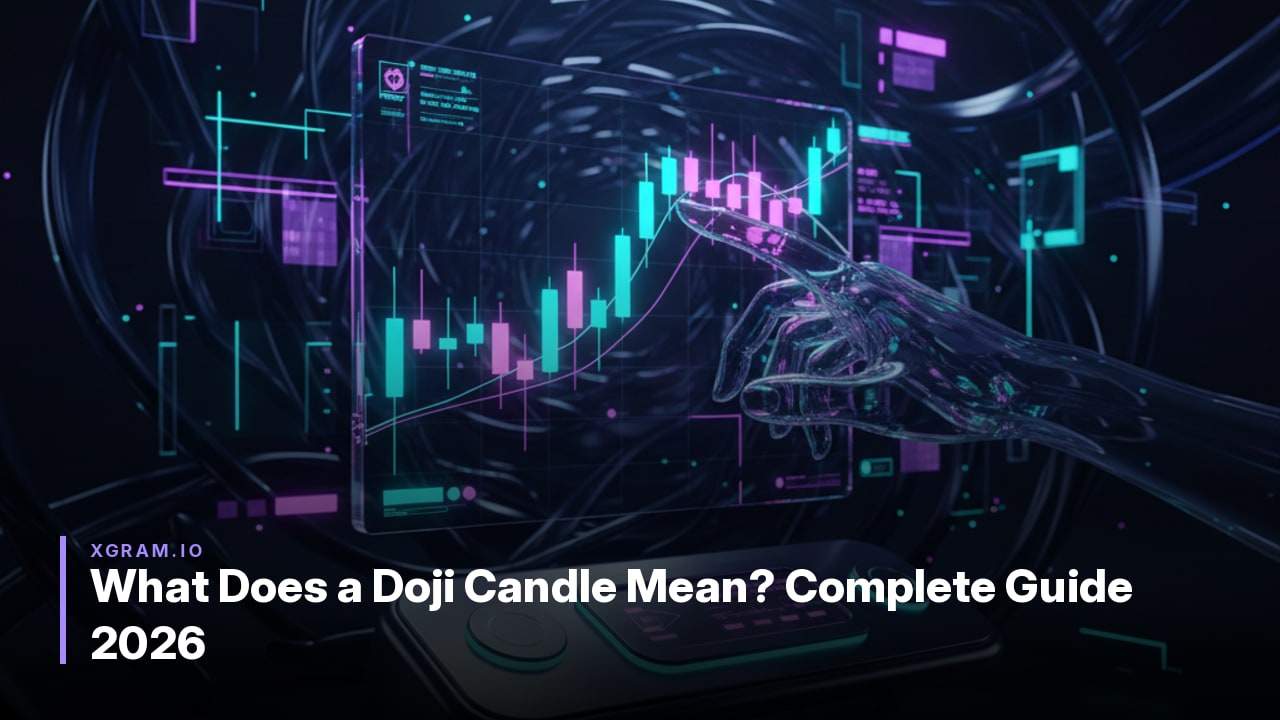
A doji candle occurs when the opening and closing prices of a trading period are virtually the same, resulting in a candle with a small body and long wicks (or shadows) on either side. This pattern signifies that there is little price movement during that period, which can reflect indecision among traders about the future direction of the asset.
Characteristics of a Doji Candle
- Small Body: The body of the doji candle is minimal, indicating that the opening and closing prices are close together.
- Long Wicks: The upper and lower shadows are typically long, showing that there was significant price movement during the period, but ultimately, buyers and sellers could not establish control.
- Indecision: The formation represents a balance between buying and selling pressure, suggesting that traders are uncertain about the future price direction.
Types of Doji Candles
There are several variations of doji candles, each with its implications in market analysis. Understanding these types can enhance your trading strategy.
1. Standard Doji
The classic doji has a very small body, with equal or nearly equal upper and lower shadows. It indicates indecision and can signal a potential reversal if it appears after a strong trend.
2. Long-Legged Doji
This variation has long upper and lower shadows, indicating a greater degree of indecision. It suggests that the market experienced a significant range of movement during the period, but neither buyers nor sellers could gain control.
3. Gravestone Doji
The gravestone doji appears at the top of an uptrend and has a long upper shadow and no lower shadow. This pattern can indicate a potential reversal to the downside as it shows that buyers pushed the price higher, but sellers took over, closing at the opening price.
4. Dragonfly Doji
This doji appears at the bottom of a downtrend and has a long lower shadow with no upper shadow. It suggests that buyers have entered the market, potentially indicating a reversal to the upside.
Significance of Doji Candles in Trading
Doji candles can provide critical insights into market sentiment and potential price action. Here are some key points to consider:
- Trend Reversals: A doji candle appearing at the top or bottom of a trend can signal a potential reversal, helping traders identify entry or exit points.
- Market Indecision: The formation indicates that buyers and sellers are in a state of equilibrium, which may precede a breakout or continuation of the current trend.
- Confirmation Required: While doji candles are significant, they should not be used in isolation. Confirmation from subsequent candlesticks or other indicators is essential to validate potential trades.
How to Trade Using Doji Candles
Incorporating doji candles into your trading strategy can enhance your decision-making process. Here’s a step-by-step guide on how to effectively use doji candles in your trading approach:
- Identify the Context: Look for doji candles in the context of existing trends. A doji at the top of an uptrend or the bottom of a downtrend could signal a potential reversal.
- Look for Confirmation: Wait for confirmation from the following candle. A bullish or bearish candle following a doji can validate the expected price direction.
- Combine with Other Indicators: Use additional technical indicators, such as moving averages or RSI, to strengthen your analysis and bolster your confidence in entering a trade.
- Set Stop-Loss Orders: To manage risk, set stop-loss orders just beyond the high or low of the doji candle, depending on the anticipated market direction.
- Monitor Market Conditions: Always consider broader market conditions and news events that may impact price action. Volatility can affect the reliability of the doji signals.
Doji Candles and Cryptocurrency Trading
The cryptocurrency market is known for its volatility, making doji candles particularly relevant for traders. In 2026, cryptocurrency trading continues to evolve, and understanding doji candles can provide you with a competitive edge.
For instance, a doji candle in a volatile market might suggest that a price correction is imminent, especially after a strong rally or decline. This information can be crucial for traders looking to capitalize on price movements.
Comparative Analysis: Doji Candle vs. Other Candlestick Patterns
To better understand the role of doji candles in trading, let’s compare them with other significant candlestick patterns:
| Pattern | Description | Market Sentiment | Trading Implication |
|---|---|---|---|
| Doji Candle | Indecision; open and close prices are nearly identical. | Neutral | Potential reversal; confirmation needed. |
| Hammer | Appears at the bottom of a downtrend; small body with long lower shadow. | Bullish | Potential reversal to upside. |
| Inverted Hammer | Appears at the bottom of a downtrend; small body with long upper shadow. | Bullish | Potential reversal to upside. |
| Shooting Star | Appears at the top of an uptrend; small body with long upper shadow. | Bearish | Potential reversal to downside. |
Risks and Best Practices When Trading Doji Candles
While doji candles offer valuable insights, traders should also be aware of the associated risks and best practices:
- Market Volatility: The cryptocurrency market is highly volatile, and doji signals can be misleading during periods of extreme price fluctuations.
- Confirmation is Key: Always wait for confirmation from subsequent candles before acting on a doji signal.
- Use in Combination: Leverage other technical analysis tools alongside doji candles to enhance trade accuracy.
- Stay Informed: Be aware of market news and events that may influence price action, as these can affect the reliability of doji patterns.
Conclusion
In conclusion, understanding what does a doji candle mean is essential for traders looking to navigate the complexities of the cryptocurrency market. By recognizing the characteristics of doji candles and their implications for market sentiment, you can enhance your trading strategy and make more informed decisions. Remember, doji candles are not standalone indicators; confirmation and context are crucial for effective trading. As you continue to explore the world of cryptocurrency, consider integrating doji analysis into your toolkit for improved trading outcomes.
What are your thoughts on using doji candles in trading? Share your insights in the comments below!
This article is not financial advice.

Private crypto swaps
Best rates. Secure. Wallet to wallet


 5 Min
5 Min