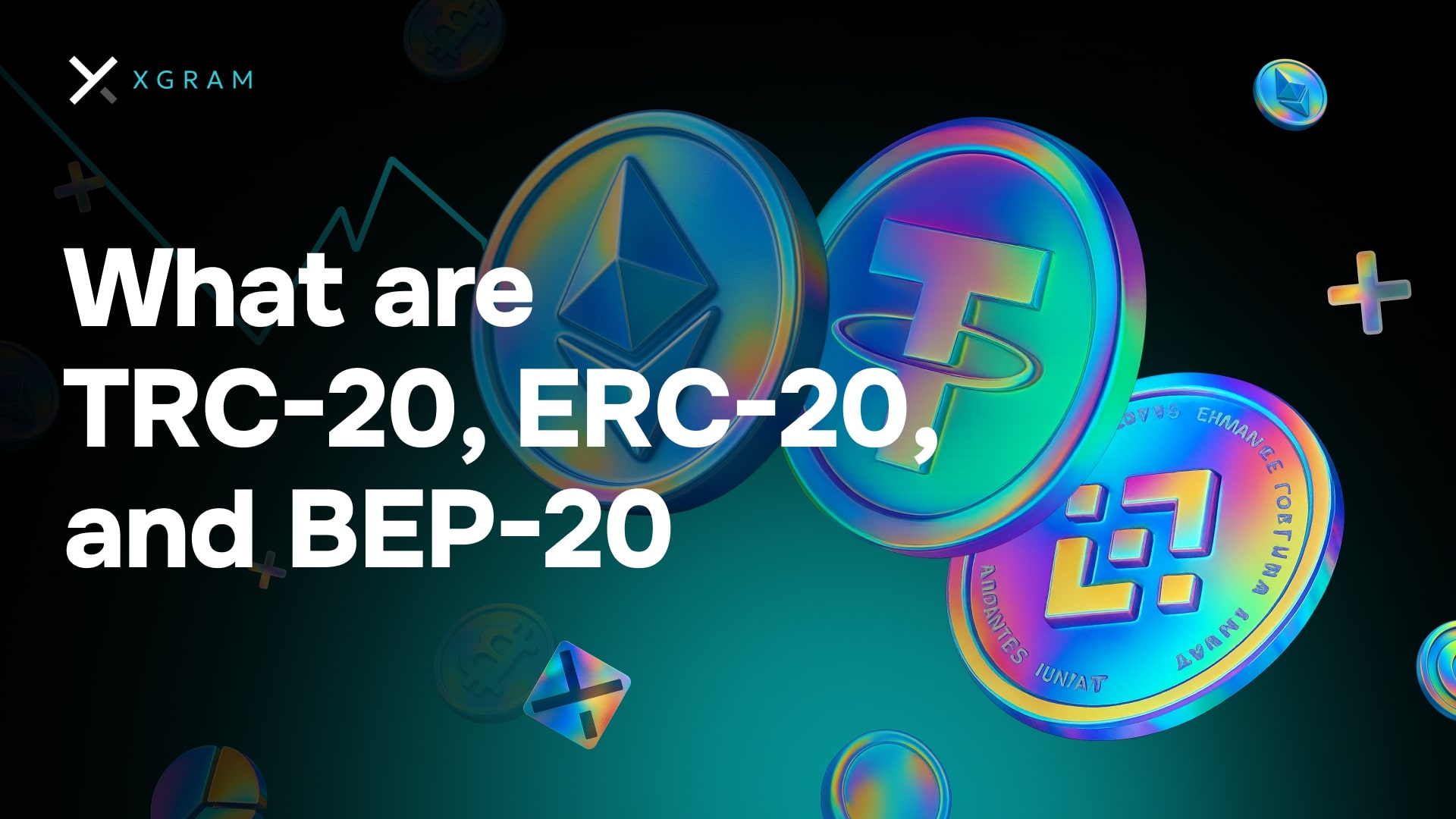
What Are TRC-20, ERC-20, and BEP-20 — and How to Avoid Losing USDT When Sending It


Most people don’t lose money in crypto because of hackers or market crashes.
The real reason is much simpler — a mistake when sending. Choose the wrong network once, and your USDT disappears. No recovery. No support will help.
Use USDT for transfers, buying crypto, or everyday payments? Then it’s crucial to understand how TRC-20, ERC-20, and BEP-20 differ — otherwise, you’re putting your funds at risk.
Let’s break down each standard by value — so you don’t make the wrong move.
ERC-20: For full compatibility — but at a cost
ERC-20 is one of the oldest and most reliable token standards on the Ethereum network. Almost every wallet, exchange, and DeFi service supports it.
But there’s a catch: the fees. One transaction can cost you tens of dollars.
ERC-20 makes sense if you work within the Ethereum ecosystem and need full integration with multiple platforms. But for everyday transfers? It’s simply not cost-effective.
TRC-20: Fast and almost free
TRC-20 runs on the Tron blockchain. Its biggest advantages? Speed and low fees. Transactions are confirmed in seconds, and you’ll often pay next to nothing.
It’s a smart choice for quick USDT transfers between wallets and exchanges — especially when you care about time and money.
That’s why most users go with TRC-20: it just works without breaking the bank.
BEP-20: Balanced option for Binance users
BEP-20 is the token standard on BNB Chain (formerly Binance Smart Chain). It’s cheaper than Ethereum, though a little more expensive than Tron.
Using DeFi or NFT services on Binance? Then BEP-20 is a solid middle ground. Reasonable cost. Decent speed. Access to a wide ecosystem.
The most common mistake: wrong network, lost funds
Here’s what happens far too often: someone sends USDT via TRC-20 to a wallet that only supports ERC-20. Result? The money is lost. No one can help — not even support.
To avoid this, double-check two things before sending:
– What network your USDT is on.
– Which networks the receiving address supports.
Even a small oversight — and the money’s gone. There’s no undo button in crypto.
Want to switch networks? Do it safely.
Need to convert USDT from one standard to another? Don’t risk your funds on shady bridges or unknown sites. There’s a better way.
Xgram.io is a simple and secure platform for swapping USDT between TRC-20, ERC-20, and BEP-20.
No wallet connection required. You send your tokens — and receive them back in the network you need. Fast. Clean. Risk-free.
And here’s the difference: Xgram.io actually supports you. If something goes wrong, their team responds and solves it. That kind of care is rare — and valuable when real money’s involved.
Final thoughts
TRC-20, ERC-20, and BEP-20 aren’t different types of USDT. They’re just different networks. Same token — but each with its own rules.
Knowing how they work means fewer mistakes, lower fees, and better decisions.
And honestly? It’s easier than it looks.
What’s next?
Check which network your USDT is on right now. Confirm the recipient’s supported networks. And if you need to swap — stick with a trusted service like Xgram.io, where real people are ready to help, and your funds stay safe.

Private crypto swaps
Best rates. Secure. Wallet to wallet

 5 Min
5 Min