Top 5 Monero Wallets in 2026: Best XMR Storage Compared


1. Official Monero GUI / CLI Wallet
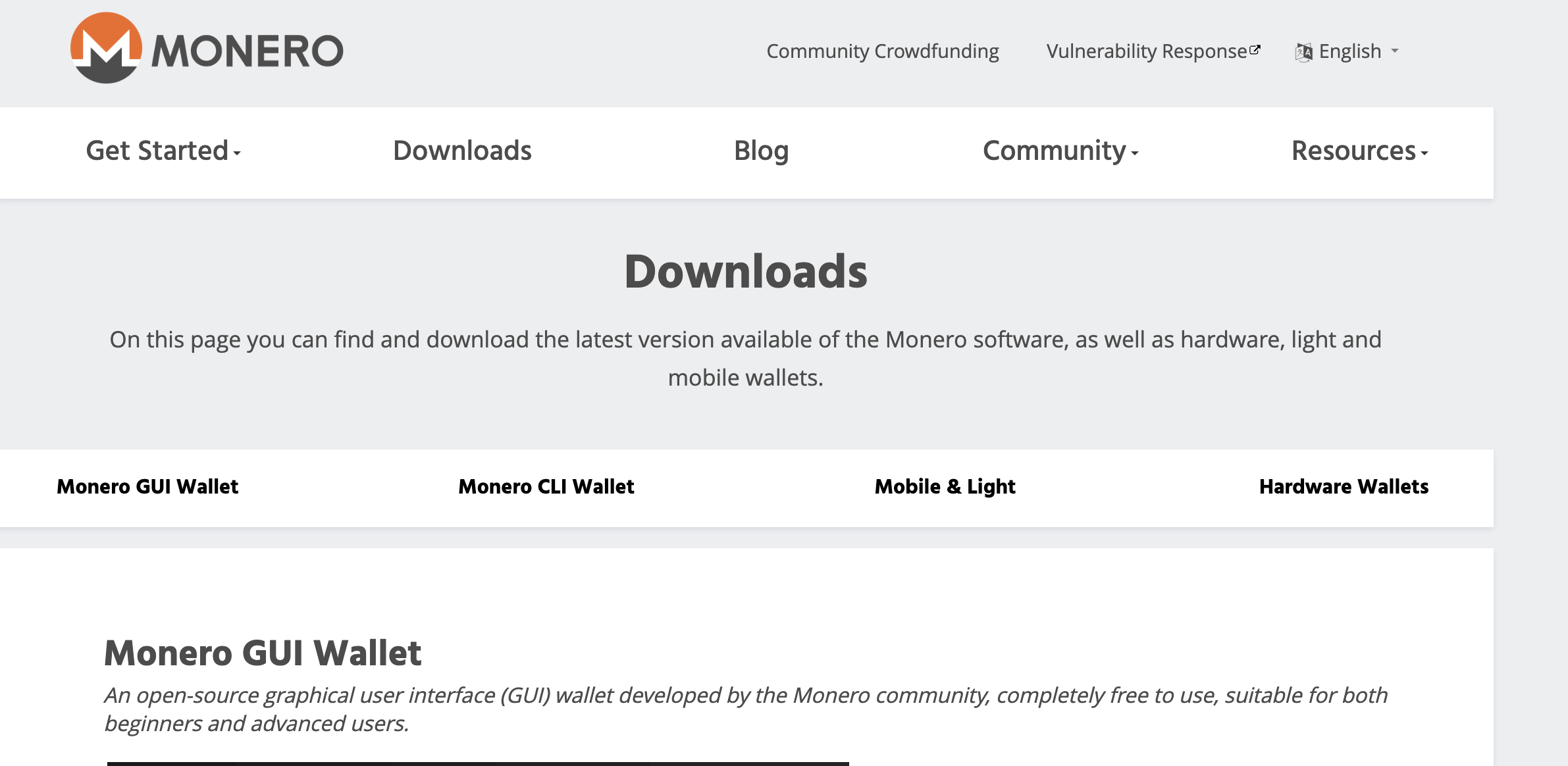
The official Monero wallet (GUI for graphical interface, CLI for command-line) is developed by the Monero core team and remains the most trusted reference implementation in 2026.
Key Features
- Full node support — runs your own local blockchain copy (most private, no third-party node leakage)
- Complete privacy defaults — ring size 16+, bulletproofs+, view tags
- Subaddresses, integrated address, payment ID support
- Built-in wallet sync (remote nodes available for faster setup)
- Hardware wallet support (Ledger, Trezor)
- Open-source (GitHub: monero-project/monero-gui, monero-project/monero)
Security & Privacy
Highest possible privacy when running a full node (no external node sees your addresses or IP). CLI version is especially secure for advanced users. Regular security audits and community scrutiny. Ledger integration makes cold storage straightforward.
Swapping
No built-in swaps in 2026 — use external tools (Xgram.io, Haveno, atomic swaps) after generating a fresh subaddress.
Best For
Maximum privacy purists, long-term holders, advanced users who run full nodes. Not ideal for beginners due to sync time (~150 GB blockchain) and interface complexity.
2. Feather Wallet
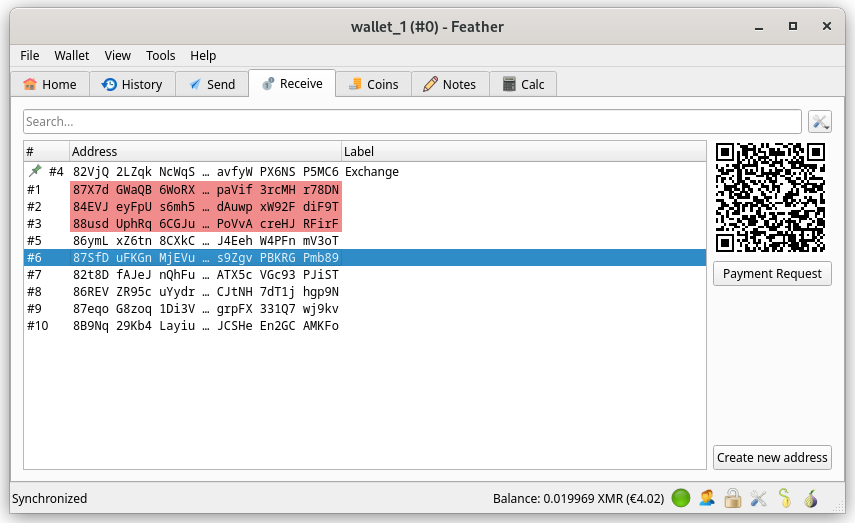
Feather Wallet is widely regarded as the best lightweight Monero wallet in 2026 — fast, privacy-focused, and actively developed by a small but dedicated team.
Key Features
- Remote node support with built-in onion routing (Tor) for privacy
- Very fast sync (minutes instead of hours/days)
- Advanced privacy tools: pay-from-subaddress, coin control, ring size selection
- Built-in Tor support (no external Tor needed)
- Hardware wallet support (Ledger)
- Open-source (GitHub: feather-wallet/feather)
- Cross-platform (Windows, macOS, Linux)
Security & Privacy
Excellent privacy defaults (Tor routing, no telemetry). Regular security updates and community audits. No full node required — uses trusted remote nodes with onion routing to hide IP. Ledger integration for cold storage.
Swapping
No native swaps — generate fresh subaddress and use external non-custodial aggregators (e.g., Xgram.io) or Haveno for BTC/USDT → XMR swaps.
Best For
Most users in 2026: balances privacy, speed, and usability. Ideal daily driver for privacy-conscious people who don’t want to run a full node.
3. Cake Wallet
Cake Wallet is the most popular mobile Monero wallet in 2026 — available on iOS and Android, with strong privacy features and built-in swap functionality.
Key Features
- Mobile-first (iOS & Android)
- Built-in non-custodial swaps (BTC, ETH, USDT → XMR via integrated partners)
- Support for multiple wallets / subaddresses
- Hardware wallet support (Ledger via USB OTG on Android)
- Tor integration for private node connections
- Open-source (GitHub: cake-tech/cake_wallet)
Security & Privacy
Strong privacy defaults (Tor node routing option). Non-custodial — private keys stay on device. Integrated swaps are non-custodial (partnered with aggregators). Ledger support for cold storage. Regular security updates.
Swapping
Built-in swap feature — select BTC/USDT/ETH → XMR, enter amount, get quote, send BTC, receive XMR directly. Uses third-party aggregators behind the scenes (no custody). Convenient for mobile users.
Best For
Mobile users who want one app for storage + occasional swaps. Great for everyday private spending and small-to-medium holdings.
4. Ledger (Hardware Wallet)
Ledger hardware wallets (Nano S Plus, Nano X, Stax) support Monero natively in 2026 via the official Monero app.
Key Features
- Cold storage — private keys never leave the device
- Monero app supports view-only mode and full transaction signing
- Integration with official GUI, Feather, and Cake Wallet
- Secure element chip (CC EAL5+ certified)
- Bluetooth (Nano X) for mobile use
Security & Privacy
Highest physical security — resistant to malware, key extraction, remote attacks. Monero transactions signed offline. View key can be exported for balance monitoring without exposing spend key. Tor/VPN recommended when connecting to nodes.
Swapping
No built-in swaps — use Ledger with Feather/Cake GUI for address generation, then perform swap via external tools (Xgram.io, Haveno, etc.) and sign on Ledger.
Best For
Long-term, high-value storage. Ideal for users who want maximum physical security and are willing to use companion software for transactions/swaps.
5. Stack Wallet
Stack Wallet is a multi-coin mobile/desktop wallet that has strong Monero support in 2026, with emphasis on privacy and ease of use.
Key Features
- Multi-coin support (XMR, BTC, LTC, etc.)
- Built-in Tor routing for node connections
- Non-custodial swaps via integrated partners
- Cross-platform (iOS, Android, desktop)
- Open-source (GitHub: stackwallet/stackwallet)
Security & Privacy
Strong defaults (Tor nodes, no telemetry). Non-custodial. Integrated swaps are privacy-focused. Regular updates and community audits.
Swapping
Built-in swap feature for BTC/USDT → XMR (uses aggregated liquidity partners). Convenient for users who want one wallet for multiple coins and occasional swaps.
Best For
Multi-coin users who want a single app for XMR + other assets with built-in swap convenience and strong privacy defaults.
Comparison Table: Top Monero Wallets in 2026
| Wallet | Platform | Privacy Level | Security | Built-in Swaps | Full Node | Hardware Support | Best For |
|---|---|---|---|---|---|---|---|
| Official GUI/CLI | Desktop | Highest (full node) | Very High | No | Yes | Yes (Ledger) | Maximum privacy purists |
| Feather Wallet | Desktop | Very High | Very High | No | No (remote) | Yes (Ledger) | Daily driver, privacy-focused |
| Cake Wallet | Mobile | High | High | Yes | No | Yes (Ledger Android) | Mobile use + swaps |
| Ledger | Hardware | High (cold) | Highest | No | No | — | Long-term cold storage |
| Stack Wallet | Mobile/Desktop | High | High | Yes | No | Limited | Multi-coin + swaps |
Best Practices for Monero Wallet Security & Privacy in 2026
- Always download wallets from official sites or verified GitHub repositories.
- Use Tor or VPN when syncing or transacting (especially remote nodes).
- Generate fresh subaddresses for every incoming transaction.
- Never expose your spend key or mnemonic seed.
- For long-term storage: use hardware wallet (Ledger) or offline GUI/Feather setup.
- When swapping: use non-custodial tools (e.g., Xgram.io) and withdraw immediately to your wallet.
- Backup seed phrase securely (metal plates, encrypted storage) — never digitally.
- Keep wallet software updated — privacy fixes and security patches are frequent.
Conclusion
In 2026, Monero wallet selection depends on your priorities: maximum privacy and full-node control (Official GUI/CLI), lightweight daily use (Feather), mobile convenience with swaps (Cake/Stack), or cold storage security (Ledger). All top wallets maintain Monero's core privacy features and are actively maintained by trusted teams or communities. For swapping BTC/USDT to XMR, non-custodial aggregators (like Xgram.io), DEXes (Haveno), or built-in tools (Cake/Stack) provide convenient options without sacrificing too much privacy. Always verify downloads, use Tor/VPN, and practice good key management.

Private crypto swaps
Best rates. Secure. Wallet to wallet


 5 Min
5 Min