Comment utiliser un explorateur Solana : Suivre n'importe quelle transaction SOL ou portefeuille


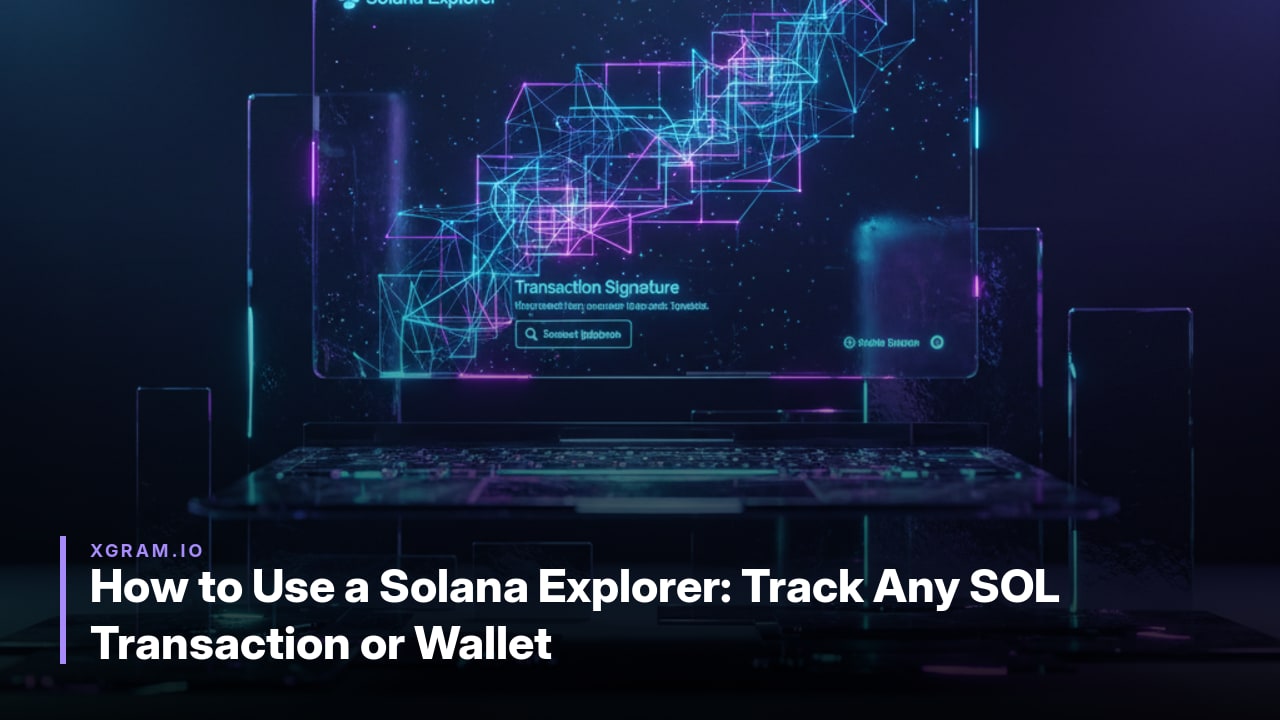
Un explorateur Solana permet à quiconque de suivre les transactions SOL et l'activité des portefeuilles sur le registre public en quelques secondes. Les trois principales options sont explorer.solana.com, maintenu par la Solana Foundation, solscan.io, acquis par Etherscan en 2024, et solana.fm, acquis par Jupiter en septembre 2024.
Comprendre les explorateurs de blocs Solana
Chaque explorateur offre des atouts distincts. Le site officiel privilégie les données canoniques brutes et les métriques de santé du réseau. Solscan met l'accent sur l'analyse des tokens, les tableaux de bord DeFi et les exportations CSV. Solana.fm met en avant les flux visuels de transactions et les résumés lisibles. Les trois prennent en charge les clusters mainnet-beta, devnet et testnet via un simple sélecteur d'interface.
Les explorateurs permettent aux utilisateurs de consulter les transactions, les soldes des portefeuilles, l'activité des programmes et les détails de staking directement à partir des données du registre public. Ils affichent le statut de succès, les frais, les comptes impliqués, les instructions, les changements de tokens, les horodatages et les informations de bloc sans nécessiter l'exploitation d'un nœud ni d'outils personnalisés.
Localiser une transaction par signature
Collez la signature de transaction, une chaîne base58, directement dans le champ de recherche de n'importe quel explorateur Solana. L'interface route immédiatement la requête vers le cluster sélectionné, par défaut mainnet-beta sauf si vous basculez vers devnet ou testnet dans le sélecteur de cluster.
Les résultats s'affichent avec le statut de la transaction (succès ou échec), les frais exacts payés, chaque compte participant, la liste ordonnée des instructions et instructions internes, ainsi que les changements nets de solde pour chaque token SPL impliqué. L'horodatage, le bloc et les données de slot apparaissent à côté pour une vérification rapide de l'ordre d'exécution et de la finalité.
Cette recherche unique remplace les appels RPC manuels. Les traders l'utilisent couramment pour confirmer si un swap s'est exécuté, pour auditer l'impact des frais ou pour tracer les mouvements de tokens entre programmes sans quitter le navigateur.
Décoder les détails des transactions et les métriques réseau
Une fois la signature de transaction localisée, les explorateurs présentent une vue structurée de son exécution. Le champ de statut de succès indique si la transaction s'est terminée sans erreur ou a échoué en raison de contraintes du programme. La liste des instructions internes détaille les opérations supplémentaires générées par l'instruction principale, comme les transferts de tokens ou les créations de comptes déclenchés dans le même bundle atomique.
Les horodatages enregistrent le moment exact où la transaction a été incluse, tandis que le numéro de slot identifie sa position dans la séquence de la blockchain. Ces valeurs aident à vérifier l'ordre et le timing par rapport à d'autres activités du réseau. Les montants des frais apparaissent à côté, en moyenne 0.00001984 SOL selon les données récentes de Solscan.
La mise à niveau du format de transaction V1 activée le 15 septembre 2026 à l'époque 1035 a porté la taille maximale des transactions de 1 232 octets à 4 096 octets. Les explorateurs signalent désormais ces transactions plus volumineuses en affichant des ensembles d'instructions étendus et des actions groupées qui nécessitaient auparavant plusieurs signatures. Ce changement est visible dans la décomposition détaillée des instructions, où des opérations DeFi ou de tokens plus complexes tiennent dans une seule entrée.
Les métriques réseau affichées incluent les lectures TPS actuelles, qui variaient entre 3 933 et 4 734 sur les captures d'écran d'explorer.solana.com du 16 septembre 2026, et un nombre cumulé de transactions approchant 549,2 milliards. La progression des slots et les indicateurs de disponibilité contextualisent davantage la transaction dans le record de disponibilité à 100 % de Solana depuis février 2024.
Analyser les adresses de portefeuille et les avoirs
Toute clé publique collée dans un explorateur Solana ouvre une page de portefeuille dédiée qui affiche le solde SOL actuel du compte ainsi qu'une liste complète des avoirs en tokens SPL. Les interfaces plus riches comme Solscan ajoutent des images et métadonnées de tokens, tandis que l'explorateur officiel n'affiche que les soldes bruts.
Les informations de staking apparaissent directement sous le solde natif, listant les délégations actives, les récompenses gagnées et le montant total staké. Les collections NFT sont affichées dans des onglets ou sections séparés, souvent avec des résumés au niveau de la collection permettant aux utilisateurs d'évaluer rapidement la composition du portefeuille sans quitter la page.
L'historique des transactions est présenté sous forme de flux défilant incluant horodatages, contreparties et changements nets de solde pour SOL et chaque token SPL. Des filtres permettent de restreindre les résultats à des ID de programme spécifiques, facilitant l'isolement de l'activité liée à une dApp ou un protocole particulier.
Les ID de programme peuvent être recherchés indépendamment ; leurs pages révèlent le bytecode déployé, les instructions récentes et les statistiques d'utilisation agrégées. La recoupe du flux de transactions d'un portefeuille avec ces pages de programme aide à identifier les contrats ayant le plus fréquemment interagi avec l'adresse.
Solscan propose des tableaux de bord DeFi et des options d'export CSV sur les pages de portefeuille, tandis que Solana.fm met l'accent sur les diagrammes de flux visuels des mouvements de tokens. Ces différences de présentation permettent aux utilisateurs de choisir l'explorateur le mieux adapté à leur flux de travail analytique.
Comparer les explorateurs Solana populaires
Trois outils principaux se distinguent pour les utilisateurs Solana souhaitant examiner des transactions ou l'activité des portefeuilles : l'explorateur officiel explorer.solana.com, solscan.io et solana.fm. Leurs différences apparaissent le plus clairement dans la présentation des données, la profondeur des analyses et les aides visuelles, notamment lors de la consultation des chiffres réseau de septembre 2026.
| Fonctionnalité | explorer.solana.com | solscan.io | solana.fm |
|---|---|---|---|
| Focus principal | Données canoniques brutes et métriques de santé du réseau | Analyses de tokens, tableaux de bord DeFi, exportations CSV, instructions étiquetées | Flux visuels de transactions et résumés lisibles |
| Outils d'analyse | Métriques réseau comme le stake actif | Avoirs en tokens, activité DeFi, options d'export | Aperçus simplifiés de l'activité des programmes |
| Accès aux données brutes | Détails complets des instructions et enregistrements au niveau des slots | Changements de solde avec quelques étiquetages | Listes d'instructions condensées |
| Éléments visuels | Indicateurs de statut basiques | Images et métadonnées de tokens | Diagrammes de flux pour les chemins de transaction |
| TPS (16 sep 2026) | 3 933–4 734 | ~3 256 au total / 1 164 vrais non-vote | Non rapporté séparément |
| Transactions totales (16 sep 2026) | ~549,1–549,2 milliards | ~549,1–549,2 milliards | Non rapporté séparément |
Les traders ayant besoin de calculs précis de frais ou de chiffres de staking commencent souvent par explorer.solana.com pour ses statistiques réseau directes. Ceux qui exportent des historiques de tokens ou examinent des positions DeFi se tournent vers solscan.io. Les utilisateurs préférant une confirmation visuelle rapide de l'ordre des instructions choisissent solana.fm. L'activation du format de transaction V1 en septembre 2026 et les réductions du temps de slot apparaissent de manière cohérente sur les trois, permettant une comparaison directe des mêmes événements on-chain.
FAQ
Quel cluster dois-je sélectionner pour suivre une transaction SOL réelle ?
Choisissez mainnet-beta pour l'activité du réseau en direct. L'interface sur explorer.solana.com, solscan.io et solana.fm permet de basculer vers devnet ou testnet lors des tests de programmes ou de nouvelles instructions.
Que représente le frais de transaction affiché ?
Le frais indique les lamports exacts payés pour les coûts de priorité et de base. Solscan rapporte une moyenne de 0.00001984 SOL sur l'activité récente à la mi-septembre 2026.
Puis-je exporter les données de portefeuille ou de transaction pour une analyse ultérieure ?
Solscan fournit des exportations CSV des avoirs en tokens, de l'historique des transactions et des tableaux de bord DeFi. L'explorateur officiel se concentre sur les données on-chain brutes sans outils d'export intégrés.
Quand dois-je passer de Solscan à l'explorateur officiel ?
Utilisez explorer.solana.com lorsque vous avez besoin de métriques réseau canoniques comme le stake actif (439,8 M SOL) ou le total des transactions traitées (549,1 milliards). Solscan est plus adapté pour l'analyse des tokens et les instructions étiquetées.
En quoi les flux visuels sur solana.fm diffèrent-ils des vues de données brutes ?
Solana.fm affiche des résumés lisibles et des chemins de transaction. Basculez vers celui-ci lorsque vous souhaitez des aperçus rapides plutôt que les listes d'instructions détaillées affichées sur le site officiel ou Solscan.

Échanges crypto privés
Meilleurs taux. Sécurisé. Portefeuille à portefeuille

 6 Min
6 Min