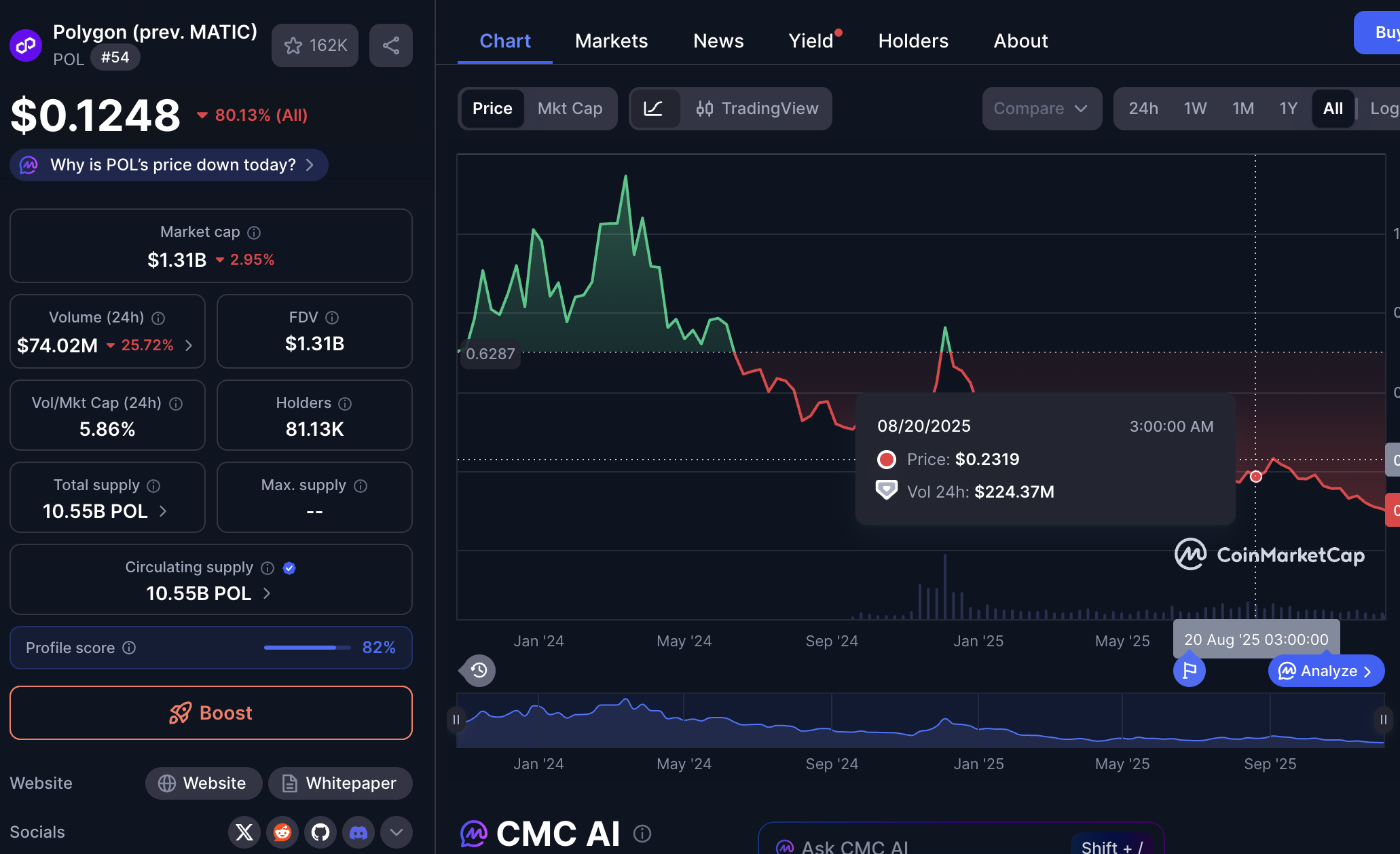
Understand Polygon Matic

You might already hold Polygon Matic in a personal wallet or on an exchange. Selling it can be straightforward once you grasp the platform options and workflows. Matic is the token powering the Polygon network, which aims to make Ethereum-compatible transactions cheaper and faster. By choosing how you sell your Matic, you control factors like fees, transaction speed, and risk. Your task is to weigh these elements and align your choice with your overall trading or investment strategy.
A quick look at Polygon’s mission
Polygon was designed to improve Ethereum’s scalability. It achieves this by moving some transaction loads off Ethereum’s main chain to sidechains or Layer-2 solutions. This structure helps handle more transactions at lower costs. For you, owning Matic means you hold a token that benefits from fast transactions and low fees. As Polygon evolves, Matic remains relevant in decentralized finance (DeFi), non-fungible tokens (NFTs), and various blockchain apps.
Choose the right selling path
“How to sell Polygon Matic” can differ based on the type of platform you pick. Each exchange format—centralized, decentralized, P2P, or instant swap—has its benefits and drawbacks. You want an approach that meets your priorities: security, simplicity, low fees, or speed.
Centralized exchanges

Major centralized exchanges (CEXs) match buyers and sellers in one place. You create an account, complete verification (KYC), deposit your Matic, then set a limit or market order. CEXs often provide solid liquidity, making it simple to find a buyer for Matic. On the other hand, some have higher fees or require you to store crypto in their custody. If you prefer a user-friendly interface and structured support, a reliable centralized exchange may be your best pick.
Decentralized exchanges
Decentralized exchanges (DEXs) let you trade from your personal wallet. You connect, select Matic, and exchange it for another token. Your funds never leave your control until you confirm the trade. Fees can be lower or higher depending on network activity, but you avoid the custodial risks associated with centralized platforms. The trade-off is that decentralized platforms sometimes have more complexity, higher learning curves, or occasional liquidity constraints.
P2P platforms
Peer-to-peer marketplaces connect you directly with someone who wants to buy your Matic. You and your counterparty decide on payment methods—bank transfer, digital wallets, or even cash in some cases. P2P can lower fees and offer more local currency options, but you need to verify the other party’s credibility. The best P2P platforms use escrow services to protect both sides during the transaction. If you are comfortable with direct negotiation, P2P could be appealing.
Instant swaps
Instant swap services allow you to exchange Matic for another cryptocurrency, usually in just a few clicks. You do not register for an account, and you handle everything in your wallet. However, many instant swaps do not support direct withdrawal to fiat. That means you probably will get crypto-out, not cash-out. If your goal is to convert Matic to fiat, you might still need a final step on a platform that supports withdrawals to a bank account.
Xgram as an exchange option

You might consider using Xgram, a convenient platform that allows you to exchange Polygon Matic without the need to connect a wallet. You simply sign up, pick your trading pair, and make the trade directly on the website. Xgram provides a user-friendly interface for both new and experienced traders, making the selling experience smoother. Thanks to a simplified process, fees on Xgram can be lower than on some more complex platforms. You will also see transparent rates, so you know exactly how much you are paying before confirming your transaction.
Steps to securely sell Matic
Selling your Polygon Matic becomes less intimidating when you follow a clear plan. The method you pick—CEX, DEX, P2P, or instant swap—will influence a few details. Still, the overall process remains similar. Below is a straightforward roadmap to guide you:
1. Confirm your account
If you decide on a centralized exchange, complete their verification steps first. Submit your identification, proof of address, and any other documents they require. You might need to enable two-factor authentication (2FA) as a security measure. Once you pass these checks, the exchange lifts limits on trading and withdrawals. If you are going the decentralized or instant-swap route, you can skip this step and simply prepare the wallet that holds your Matic.
2. Decide how much to sell
Take a moment to define your goals. Ask yourself why you want to sell. Are you trying to lock in profits, shift into a different crypto, or simply diversify your portfolio? By clarifying your intention, you can decide how much Matic you are comfortable selling. Creating a percentage-based plan can help; for instance, you might sell 20% to 50% of your holdings if you feel it matches your targets.
3. Transfer your Matic
On a centralized exchange, deposit your Matic from your wallet or from another exchange. Copy the deposit address carefully to avoid any mistakes. Double-check the network choice. If you are using Polygon’s native chain, it should match precisely. For decentralized exchanges, connect your wallet (MetaMask or another compatible option) and grant permission to trade Matic. If you are using Xgram, follow their instructions to fund your account or provide the necessary details to start the swap.
4. Convert Matic to fiat or another token
If your goal is to get cash, look for an Matic-to-fiat trading pair. Top fiat options often include USD or EUR. Place a market order to sell immediately at current prices or set a limit order with your desired sale price. If you prefer to move Matic into a different crypto, pick a relevant trading pair (for example, MATIC/BTC or MATIC/ETH). On a P2P platform, you might coordinate directly with a buyer. The platform will hold your Matic in escrow until final payment confirmation.
5. Withdraw your funds
After selling, you can withdraw cash to your bank account, digital payment service, or crypto wallet. Depending on the platform, bank transfers might take a few business days. Some services offer instant transfers for an extra fee. Once you receive your money, do a quick review of your transaction. Confirm your actual profits, minus fees, and keep a record of your trade for any future obligations.
Safety tips and best practices
When you are learning how to sell Polygon Matic, you want to ensure your transactions go smoothly. Reliability, security, and clarity on fees rank high on your priority list. Below are essential practices for a worry-free experience:
- Do a small test trade if you are selling Matic on an unfamiliar platform. This lowers your exposure in case of user errors.
- Keep your private keys private. If you are using your own wallet, do not share its seed phrases or passwords with anyone.
- Always compare fees. Markets vary widely, and you do not want hidden costs eating into your profit.
- Monitor Matic’s price and broader market conditions. Timing can help you maximize returns.
- Use strong passwords and enable multi-factor authentication whenever possible. This practice reduces the risk of unauthorized account access.
Potential tax considerations
Selling Matic might lead to capital gains or other taxable events, depending on your local laws. Make sure you understand how your country views crypto transactions. If you are generating a profit, you may need to declare it on your annual taxes. Consider talking with a tax professional to avoid mistakes. Keep a detailed record of dates, amounts, and costs in case you need proof later.
Frequently asked questions
Below you will find answers to some common questions about how to sell Polygon Matic. These can help fill in any blanks if you still feel uncertain.
Can I sell Matic without verifying my identity?
Yes, you can sell Matic on certain decentralized exchanges or P2P platforms without traditional KYC. However, centralized exchanges usually require verification, especially if you plan to trade large volumes or withdraw fiat.Which wallet should I use to store Matic?
You can opt for hardware wallets for maximum security or software wallets like MetaMask for convenience. The key is ensuring you hold your private keys and choosing a reputable brand.What if the price of Matic changes during my transaction?
Market fluctuations are normal, so you might receive slightly more or less than planned. Placing limit orders can help you control the exact sell price if you are worried about sudden changes.Do I need a separate wallet for Polygon’s network?
If you want to trade on the Polygon network, ensure your wallet supports that chain. Some wallets offer multi-chain functionality, so you can switch networks within the same interface.Are the fees on Xgram really lower than on other platforms?
Fees vary, but Xgram is often praised for transparent rates and competitive transaction costs. Because you do not need to connect your own wallet, you can potentially save on typical network fees. Still, it is wise to compare fees among several platforms before making your final decision.
Final thoughts
Selling Polygon Matic does not have to be complicated. You want a secure, intuitive process that keeps you in control. Whether you pick a centralized exchange, a decentralized platform, a P2P marketplace, or an instant-swap service like Xgram, the basic steps remain the same. Always confirm your account if needed, decide on your strategy, transfer your Matic with care, convert at a rate that suits you, and withdraw your funds while keeping track of your transaction details. By staying thoughtful and prepared, you can smoothly manage your Matic sales, protect your assets, and keep your momentum strong in the ever-evolving crypto world.