TL;DR
- Puedes vender Avalanche a través de exchanges centralizados, plataformas P2P y servicios de swaps instantáneos.
- Cada opción ofrece distintos niveles de control, comisiones y velocidad.
- Normalmente, para vender AVAX debes crear una cuenta, transferir tus monedas, elegir un tipo de orden y confirmar la venta.
- Comprueba siempre las direcciones de wallet y sigue las recomendaciones de seguridad de la plataforma para evitar errores.
A continuación verás por qué la gente vende Avalanche, qué vías pueden adaptarse mejor a tus necesidades y una guía sencilla paso a paso para hacerlo con seguridad. Este recurso también explica cómo encaja una plataforma específica llamada Xgram en este proceso. Al final, deberías sentirte cómodo realizando tu primera operación AVAX-a-fiat o AVAX-a-otra-cripto.
Por qué vender Avalanche
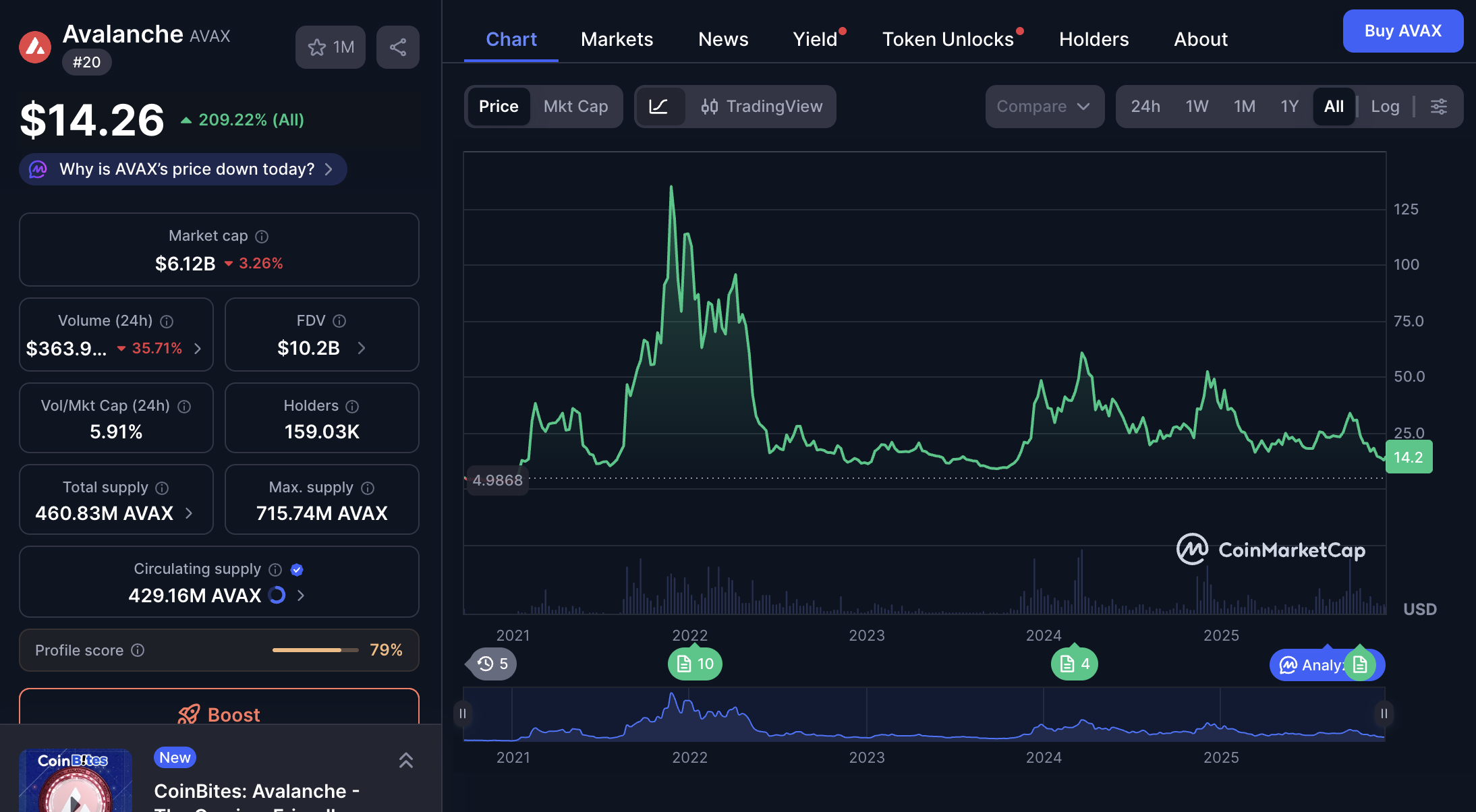
Vender Avalanche puede ayudarte a gestionar tu cartera, asegurar ganancias o liberar capital para otras oportunidades. Como criptomoneda relativamente nueva, Avalanche ha pasado por fases de crecimiento rápido y cambios en sus casos de uso. Algunas razones frecuentes para vender son:
- Realizar beneficios: si has mantenido AVAX durante un tiempo y el precio ha subido, vender te permite convertir la ganancia en stablecoins o efectivo.
- Reequilibrar tu cartera: quizá quieras reducir tu exposición total al riesgo cripto. Vender una parte de Avalanche te ayuda a repartir el riesgo entre diferentes activos.
- Financiar gastos: a veces simplemente necesitas dinero para un gasto personal o una nueva inversión. Vender AVAX puede ser una forma rápida de conseguir liquidez.
- Explorar nuevos proyectos: el ecosistema blockchain cambia constantemente. Si quieres pasar de Avalanche a otra red emergente, vender AVAX y reinvertir puede ser parte de tu estrategia.
Tanto si eres principiante como si ya has operado con otras monedas, el punto de partida es conocer las plataformas disponibles y cómo funcionan. Cada una tiene ventajas y desventajas para distintos perfiles y objetivos.
Explora las diferentes opciones de venta
Al decidir cómo vender Avalanche, es clave entender las opciones de mercado. A grandes rasgos, puedes elegir entre exchanges centralizados, plataformas P2P o servicios de swaps instantáneos. Cada vía ofrece combinaciones distintas de precio, control, velocidad y comisiones.
Exchanges centralizados
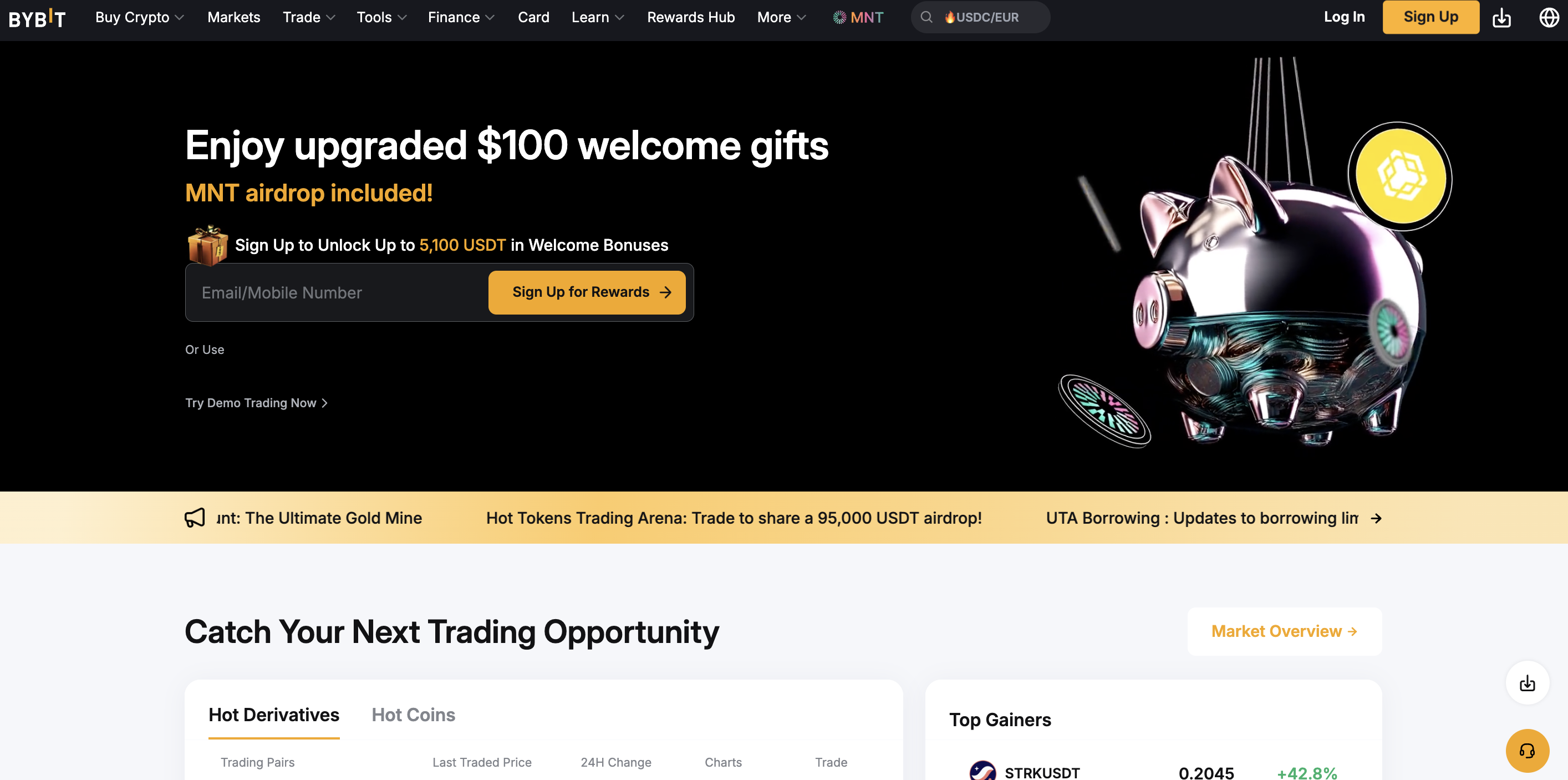
Los exchanges centralizados (CEX) siguen siendo una de las formas más comunes y sencillas de vender Avalanche. Funcionan como plataformas tradicionales de trading de criptoactivos y suelen listar cientos de monedas.
Ventajas:
Alta liquidez, lo que facilita encontrar compradores rápidamente.
Precios de mercado competitivos gracias a una gran base de usuarios.
Funciones extra, como herramientas avanzadas y varios tipos de orden.
Múltiples opciones de retirada (transferencia bancaria, tarjeta, monederos electrónicos).
Aspectos a tener en cuenta:
Muchos requieren verificación de identidad (KYC) antes de retirar o mover grandes cantidades.
La interfaz puede resultar compleja si eres totalmente nuevo en el trading.
El exchange suele custodiar tu AVAX mientras no lo retires a un wallet propio.
Si tu prioridad es una experiencia fluida y relativamente guiada, un CEX grande y conocido suele ser una buena elección. Normalmente permiten depositar AVAX, venderlo por fiat (USD, EUR, etc.) y retirar sin demasiadas complicaciones.
Plataformas peer-to-peer (P2P)
Los mercados P2P te permiten vender directamente a otras personas sin que un intermediario controle toda la operación. En la mayoría de los casos, la plataforma P2P bloquea (escrow) tus AVAX hasta que ambas partes cumplen lo acordado, reduciendo así el riesgo de fraude.
Ventajas:
Libertad para negociar el precio y el método de pago.
Posibilidad de mantener cierto grado de pseudonimato, si la plataforma no exige KYC estricto.
Mayor control directo sobre la transacción.
Aspectos a considerar:
Las operaciones pueden tardar más, ya que dependen de la coordinación entre personas.
Debes estar atento a posibles estafas.
La liquidez suele ser menor que en los grandes exchanges centralizados.
Algunos principiantes valoran el enfoque P2P, sobre todo cuando quieren usar métodos de pago locales. La clave es revisar la reputación del comprador, seguir las normas de la plataforma y liberar los fondos sólo cuando veas el pago reflejado en tu cuenta.
Servicios de swaps instantáneos
Los servicios de swap instantáneo te permiten intercambiar una criptomoneda por otra, o a veces por moneda tradicional, en unos pocos clics y normalmente sin crear una cuenta de trading completa. En lugar de gestionar un libro de órdenes, estos servicios usan liquidez existente para ofrecerte una tasa de cambio.
Ventajas:
Operaciones rápidas con pocos pasos.
Diseño sencillo, ideal para nuevos usuarios.
Comisiones transparentes.
Aspectos a considerar:
El tipo de cambio o las comisiones pueden ser algo más altos que haciendo trading directo en un exchange grande.
En muchos casos hay pocas opciones para retirar directamente a fiat.
Si priorizas la comodidad, los swaps instantáneos son una opción atractiva: pagas un poco más a cambio de procesos muy simples.
Xgram para operaciones simplificadas
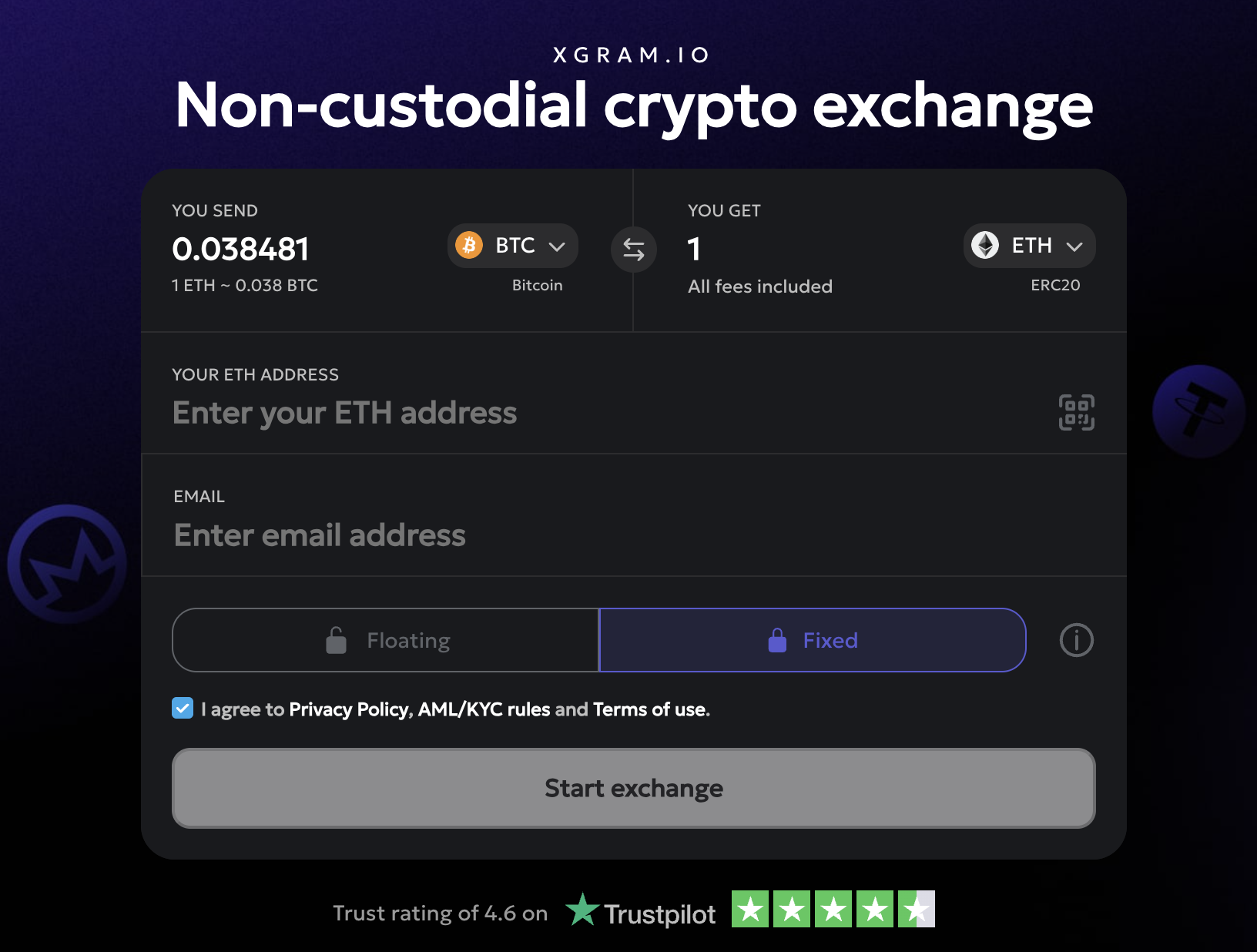
Xgram es una plataforma de intercambio centrada en la simplicidad y el ahorro de costes. No necesitas conectar un wallet externo para operar en Xgram, lo que la hace interesante si eres nuevo en criptomonedas y quieres evitar configuraciones complejas. En líneas generales:
- Xgram no requiere conexión de wallet. Puedes mantener tus AVAX en un saldo gestionado por la plataforma hasta que decidas vender.
- Ahorras comisiones porque Xgram usa mecanismos internos eficientes, a menudo más baratos que las transacciones on-chain.
- Las operaciones en Xgram son rápidas, lo que te ayuda a aprovechar movimientos de mercado sin retrasos largos.
- La interfaz está pensada para principiantes, sin exceso de gráficos avanzados o tipos de orden complicados.
- Puedes gestionar tus tokens en Xgram hasta que decidas retirarlos en cripto o fiat, según las opciones disponibles.
Este enfoque simplificado te deja centrarte en lo esencial —comprar y vender AVAX— en lugar de pelear con puentes, redes y herramientas complejas. Para usuarios nuevos o para quienes quieren reducir costes operativos, Xgram puede ser una buena opción.
Guía paso a paso
El flujo general es muy similar uses un exchange centralizado, una red P2P, un servicio de swap instantáneo o Xgram. Aquí tienes una hoja de ruta general:
Paso 1: Prepara tu cuenta
Lo primero es elegir una plataforma que encaje con tus prioridades. Puedes preferir un exchange grande y reputado por su liquidez o una interfaz sencilla como Xgram para operar rápido.
- Crea tu cuenta: proporciona correo electrónico o teléfono, elige una contraseña robusta y guarda tus datos de forma segura.
- Completa la verificación (si es necesaria): según el servicio, puede que tengas que enviar un documento de identidad y prueba de domicilio. Este proceso puede ser rápido o tardar unos días; mejor hacerlo antes de necesitar vender con urgencia.
- Configura la seguridad: activa la autenticación de dos factores (2FA) para evitar accesos no autorizados.
Una configuración sólida desde el inicio te aporta tranquilidad. Invertir unos minutos en seguridad reduce mucho el riesgo de hackeos y retiradas no autorizadas.
Paso 2: Transfiere Avalanche
Ahora debes depositar AVAX en la plataforma que has elegido. Si ya tienes tus AVAX allí, puedes saltarte este paso. Si no, transfiere desde tu wallet personal u otro exchange:
- Busca tu dirección de depósito: revisa el apartado “Deposit” o “Receive” y selecciona Avalanche si hay varias redes.
- Copia la dirección: suele ser una cadena de letras y números. Comprueba que usas la red correcta cuando la plataforma admite varias cadenas de Avalanche.
- Inicia la transferencia: desde el wallet o exchange externo, pega la dirección y confirma la operación.
- Espera la confirmación: el tiempo depende de la congestión de la red. Cuando se confirme, verás tus AVAX en el saldo.
En tu primer intento, este paso puede resultar tenso. Por eso es crucial revisar bien las direcciones: un error puede significar pérdida irreversible.
Paso 3: Elige el tipo de orden
La mayoría de plataformas ofrece varias formas de vender:
- Orden de mercado: vendes AVAX al precio de mercado actual. Es la vía más rápida y suele ser la favorita de principiantes.
- Orden limitada: fijas un precio objetivo. La venta sólo se ejecuta cuando el mercado alcanza esa tasa. Te da más control, pero puede tardar o no ejecutarse.
- Negociación P2P: en un marketplace P2P puedes responder a anuncios de compradores o publicar el tuyo, ajustando precio y condiciones vía chat.
- Swap instantáneo: en un servicio de swap o en Xgram normalmente sólo eliges el activo que quieres recibir (USDT, BTC, etc.) y ves la tasa cotizada.
Si estás empezando, una orden de mercado o un swap instantáneo suelen ser lo más fácil. Con el tiempo, explorar órdenes limitadas puede ayudarte a optimizar precios.
Paso 4: Confirma tu venta
Por último, tienes que cerrar la operación:
- Revisa el precio final: asegúrate de que el valor te parece razonable. En mercados volátiles, la cifra puede cambiar de un segundo a otro.
- Ten en cuenta las comisiones: la plataforma aplicará comisiones por trading y retirada. Comprende cómo afectan a tu total neto.
- Ejecuta la transacción: haz clic en “Sell” o “Confirm” y espera la ejecución. Con una orden de mercado, suele ser casi inmediata.
- Retira tus fondos: normalmente podrás retirarlos como cripto o fiat. Para transferencias bancarias puede que se requiera verificación adicional y algo de tiempo de procesamiento.
Con estos pasos, tu venta de Avalanche queda completada. Guarda los registros de tus operaciones, tanto para tu control personal como para posibles obligaciones fiscales.
Mantente seguro y en regla
Es fundamental protegerte y respetar la normativa local al vender Avalanche. El mundo cripto es atractivo, pero no está libre de riesgos:
- Verifica las URLs oficiales: asegúrate de estar en la web real del exchange o servicio P2P. Los sitios falsos que imitan el diseño original son una estafa habitual.
- Refuerza la seguridad: no compartas contraseñas ni códigos 2FA. Siempre que puedas, guárdalos fuera de línea.
- Desconfía de ofertas demasiado buenas: si alguien ofrece un precio muy por encima del mercado, probablemente sea una trampa.
- Cumple con la normativa: según el país, puede que tengas que declarar tus ganancias o seguir ciertas reglas.
- Guarda el resto de tus cripto en un entorno seguro: si no vendes todo tu AVAX, conserva el resto en un wallet donde controles las claves privadas o en una plataforma sólida con buena reputación.
Cuando tengas dudas, consulta fuentes actualizadas o pide ayuda a profesionales financieros. Si vas a mover cantidades importantes con regularidad, merece la pena investigar la reputación de los exchanges, los incidentes de seguridad que hayan tenido y cómo gestionan los fondos de los usuarios.
Resumen rápido y próximos pasos
Si has llegado hasta aquí, ya conoces las rutas principales y los pasos clave para vender Avalanche. En resumen:
- Elige el tipo de plataforma —exchange centralizado, P2P, swap instantáneo o Xgram.
- Abre y verifica tu cuenta si es necesario, activa seguridad adicional.
- Deposita AVAX o verifica que ya se encuentra en la plataforma.
- Selecciona el tipo de orden (mercado, limitada o negociación directa).
- Confirma la venta y retira tus fondos.
Tú decides qué hacer con tus Avalanche. Venderlos es sólo una de las formas de moverte dentro del ecosistema cripto. Si piensas quedarte a largo plazo, sigue explorando cómo trabajan distintas plataformas, cómo encajan con tu banco y qué estrategias se adaptan a tus objetivos. No hay un método único perfecto, pero con práctica irás encontrando el tuyo.
Preguntas frecuentes
¿Puedo vender una cantidad pequeña de Avalanche?
Sí. La mayoría de las plataformas permiten vender cantidades fraccionadas de AVAX, incluso de pocos dólares. Revisa sólo los mínimos de operación y retirada.¿Cuál es la forma más rápida de vender AVAX?
Una orden de mercado en un exchange reconocido o un servicio de swap instantáneo suele ser lo más rápido. En ambos casos vendes al precio actual prácticamente al momento, a cambio de comisiones algo más altas.¿Por qué debería considerar Xgram?
Xgram ofrece un enfoque simplificado sin necesidad de conectar un wallet. Puedes almacenar y comerciar AVAX internamente y, a menudo, reducir comisiones de red. Para usuarios nuevos, elimina mucha complejidad técnica.¿El KYC es obligatorio en todos los métodos?
Depende de la plataforma y de tu país. La mayoría de exchanges centralizados exigen KYC para retiradas grandes. Los mercados P2P suelen ser más flexibles, pero algunos también aplican verificaciones básicas. Los swaps instantáneos y Xgram tienden a exigir menos trámites, aunque conviene revisar sus políticas.¿Qué hago si mi retirada se retrasa?
Las retiradas pueden retrasarse por congestión de la red, controles de seguridad o mantenimiento. Si notas un retraso prolongado, contacta con el soporte de la plataforma y confirma que has introducido correctamente la dirección de wallet o los datos bancarios.
Vender Avalanche no tiene por qué ser técnico ni intimidante. Una vez que eliges el método, sigues los pasos con calma y aplicas buenas prácticas de seguridad, podrás moverte con confianza en el mundo de las ventas cripto. ¡Buen trading!

Intercambios cripto privados
Las mejores tasas. Seguro. Billetera a billetera


 7 Min
7 Min