
TL;DR
You can lose bitcoin through forgotten credentials or faulty backups. Estimates suggest millions of bitcoins may never be recovered. Lost coins keep circulating supply lower than expected, potentially affecting price dynamics. By safely storing your private keys and regularly reviewing your security measures, you can minimize the risk of loss.
Discover the lost bitcoin phenomenon
Bitcoin is designed as a decentralized digital currency, meaning no single authority can reverse or restore transactions. When you lose your private keys — or the wallet file containing them — there is nobody to call for help. Understanding what it really means to “lose” bitcoin helps you grasp why lost coins are so difficult to retrieve.
What does losing bitcoin mean?

Losing bitcoin typically involves losing control of the private keys — the secret alphanumeric codes that grant you exclusive access to your coins. Without your keys, you can’t sign transactions or prove ownership. Even though the bitcoins still exist on the blockchain, no one can move them if the corresponding private keys are gone.
In practical terms, losing bitcoin can happen when:
- You forget the password to an encrypted wallet file.
- You misplace the physical storage device (hardware wallet) containing your private keys.
- Your computer’s hard drive, which housed the wallet file, crashes without a backup.
- You throw away or recycle an old device that still holds a wallet.
Each wallet is identified by a public address. Those addresses still show in the blockchain ledger, but if you no longer have the private key, the funds remain stuck forever.
Why does it happen?
Overconfidence and human error are major players in lost bitcoin scenarios. Some early adopters bought bitcoin as a novelty, then forgot about it — only to realize years later the device storing their keys was lost or destroyed. People also switch devices often without transferring their wallets securely.
Another frequent cause is mismanagement of backups. Even with a paper wallet or mnemonic (seed) phrase, you can lose track of that scrap of paper or fail to keep multiple copies. Finally, cybersecurity threats add another layer of risk. Phishing scams and malware can lead you to format or delete your original wallet without noticing until it’s too late.
Reveal how many bitcoins are lost
So, how many bitcoins are lost? Since no official body tracks lost coins, all figures are estimates. Nonetheless, industry observers often speculate that between 1.5 million to 4 million BTC might be gone for good. Some suggest it could be even higher, with a portion of early mined bitcoins sitting inert in wallets whose private keys have long since vanished.
The total supply of bitcoin is capped at 21 million coins. If up to 20% of those coins are effectively locked in irretrievable wallets, the real circulating supply may be closer to 17 or 18 million. This is a substantial chunk of the total pool.
Estimating lost bitcoin involves analyzing:
- Dormant addresses with no outgoing transactions for many years.
- Large early-miner wallets believed to be abandoned.
- Reported cases of accidental deletion or destruction of wallets.
However, a dormant address isn’t guaranteed lost. Some holders simply keep their coins offline or in cold storage for the long term. Because private keys never expire, it’s theoretically possible for a so-called “lost” address to suddenly spring back to life once its owner recovers the keys.
Ultimately, exact numbers are elusive. You cannot read the blockchain and know for sure if an address is accessible or not. Despite all the speculation, it’s safe to say the number of lost bitcoins is significant, leading to a growing recognition of bitcoin’s increasing scarcity.
Consider the impact of lost supply
When you reduce the supply of any asset, the basic principle of supply and demand suggests that its price could trend higher. In theory, fewer coins floating around can make each bitcoin more valuable. However, the real-world impact isn’t so straightforward. Investors’ perceptions, market sentiment, and regulatory developments also shape price.
Effect on price and scarcity
Bitcoin’s built-in scarcity already sets it apart from inflationary currencies. Think about how lost coins further tighten that scarcity. Many investors view these permanently removed coins as bullish signals, arguing that reduced supply boosts each remaining coin’s potential. In practice, price fluctuations are influenced by a mix of macroeconomic factors, adoption news, FUD (fear, uncertainty, doubt), and more.
Over time, lost bitcoins amplify the deflationary nature of the cryptocurrency, encouraging people to protect their existing holdings more carefully. You might find yourself thinking twice before storing your wallet credentials in a risky place once you realize how frequently coins become unrecoverable.
Effect on you as a beginner
If you’re new to crypto, the idea of losing coins might feel unsettling. Yet, you can use that sense of caution as a positive motivator. By adopting robust security measures from the start, you significantly lower the chances that your BTC will join the growing ranks of lost coins. You’ll also appreciate how finite bitcoin truly is — a point that often solidifies long-term confidence in the asset.
See real-world examples of lost BTC
Lost bitcoin stories often grab headlines, painting vivid pictures of fortunes gone astray. From misplaced hardware wallets to thrown-away hard drives, these accounts act as cautionary tales that illustrate how easy it is to lose digital wealth when basic precautions aren’t met.
One famous case is the story of a man who accidentally discarded a hard drive containing thousands of BTC. He realized his mistake only after the value of bitcoin rose significantly, motivating him to seek permission to dig through a landfill to locate the disk. So far, no luck. Another instance features early enthusiasts who mined bitcoin on their laptops, saved the wallet file on an old computer or USB drive, and promptly forgot about it as the novelty wore off.
Stories like these underscore one truth: your private keys need the same (or greater) level of care as physical valuables. While it’s easy to scoff at these anecdotal misfortunes, it could happen to anyone who doesn’t have a structured plan for safeguarding wallets. By taking a page from these real-world examples, you can avoid letting your future riches vanish into digital oblivion.
Try Xgram for easy exchanges
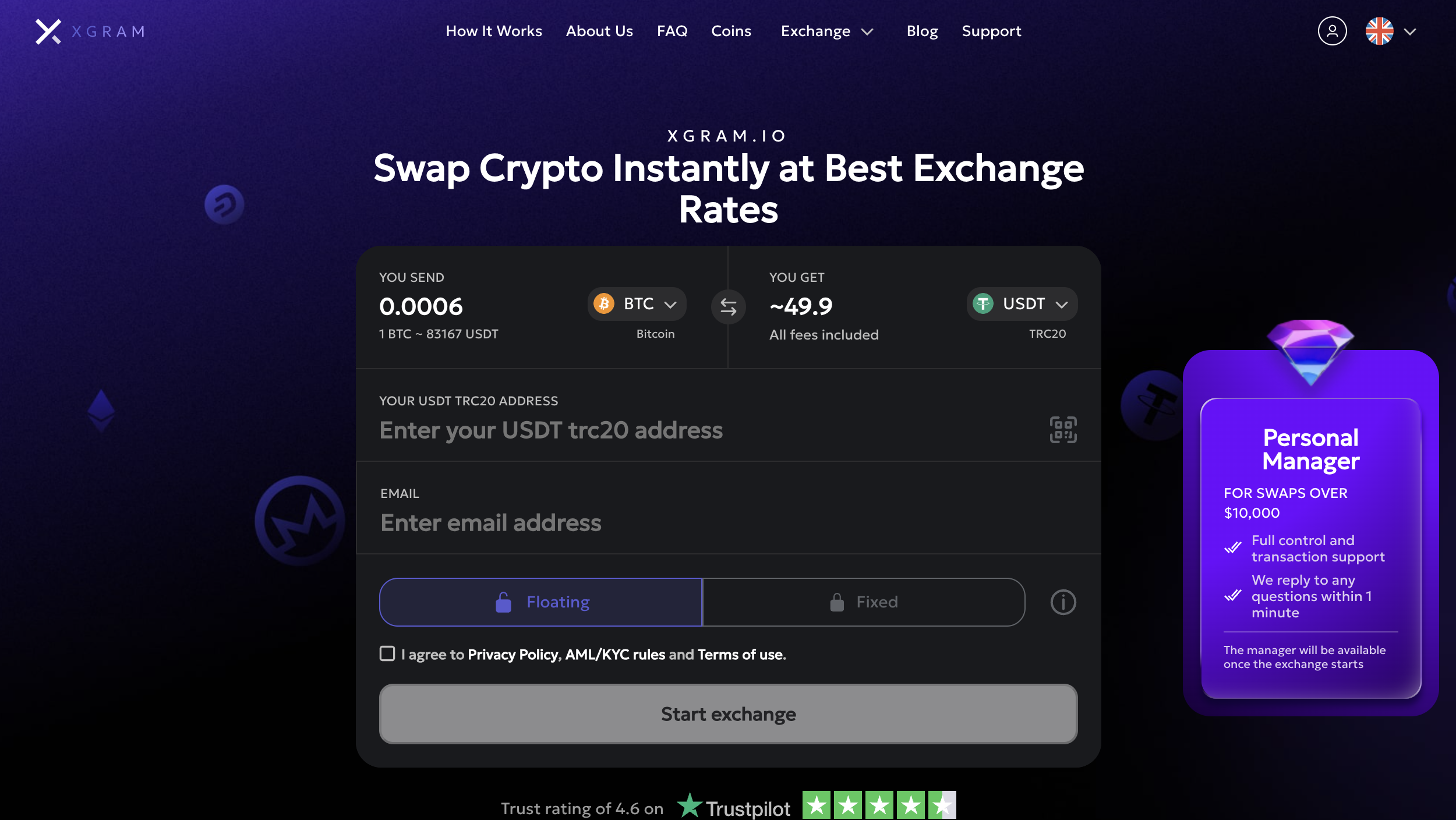
If you’re feeling daunted by the complexity of wallet backups and private key management, Xgram provides a streamlined exchange experience you might appreciate. First, there’s no need to connect an external wallet — you can manage your trades directly on the platform. Second, Xgram supports typical crypto swaps along with more conventional exchanges, so you can explore different assets with fewer complications.
Third, you can potentially save on fees, as Xgram operates with competitive rates intended to make your transactions cost-efficient. Fourth, the interface is user-friendly for beginners. You’ll find clearly labeled menus and a straightforward process to move from one currency to another. Finally, Xgram’s internal order-matching engine helps you settle trades quickly, shaving off unnecessary wait times that sometimes occur on less robust exchanges.
Using Xgram doesn’t completely remove the need for personal security measures, but it does reduce the initial friction of getting started with cryptocurrency. You can deepen your understanding of wallets at your own pace while making occasional transactions through the platform. Ultimately, your ability to trade confidently — with or without personal wallet integration — can reduce the likelihood of losing coins inadvertently.
Protect yourself from future loss
Worried about becoming one of those lost-coin statistics? You can employ a few proactive measures to keep your holdings safe. Here’s how to develop a sound approach:
Back up your wallet regularly.
- Whether you store your bitcoin on a hardware device or in software form, prompt backups mitigate data corruption issues. Keep multiple copies in different secure locations.
Use reliable hardware wallets.
- Devices like Ledger or Trezor generate private keys offline, minimizing exposure to hackers. They also guide you through backup creation, so you maintain a unique recovery phrase.
Guard your seed phrase carefully.
- If your wallet is compromised but you still have your seed phrase, you can restore your coins. Treat this phrase like a physical key to your bank vault — do not share it with anyone.
Encrypt and password-protect.
- Whether it’s a software wallet or an encrypted file, strong passwords add a second layer of defense. Prefer lengthy passphrases over short ones to reduce brute-force attacks.
Stay alert to phishing scams.
- Fraudsters might trick you into sending your BTC to a fake address or inputting your private details on bogus websites. Constant vigilance pays off in crypto, where transactions can’t be reversed.
Test your recovery.
- It’s wise to run periodic checks by restoring a small wallet from your seed phrase. This ensures your backups are valid and that you fully understand the recovery process.
By weaving these habits into your routine, you significantly lessen the likelihood of losing access to your keys. Treat your crypto assets the same way you would treat tangible valuables. Just as you wouldn’t leave precious jewelry on a park bench, you shouldn’t let your bitcoin rest on a single USB stick with no backups.
Review quick answers to FAQs
Below, you’ll find five of the most frequently asked questions about lost bitcoins, ensuring you leave with a solid understanding of the basics.
How do bitcoins become “lost”?
Bitcoins become lost when their private keys or wallet passwords can no longer be accessed. This can occur due to forgotten passwords, destroyed hardware, or misplaced paper backups.Can lost bitcoins ever be recovered?
In most cases, lost bitcoins remain inaccessible if the private keys are gone. Unless you somehow recover the original keys or seed phrase, there’s no technical method to unlock those funds.Why does everyone emphasize seed phrases?
Your seed phrase is a human-readable way to back up your bitcoin wallet. If your device fails, you need that phrase to restore access. Losing it is like misplacing the only key to a locked safe.Does losing bitcoin affect the market long term?
Yes, though it’s difficult to quantify the exact impact. Lost coins reduce circulating supply, which can strengthen bitcoin’s scarcity narrative and potentially influence price over time.Can I store my coins on Xgram instead?
Xgram allows you to trade without manually connecting an external wallet. It’s a good user-friendly option, but you should still maintain secure credentials and observe best practices against scams or unauthorized access.
Wrap up your next steps
You now understand how many bitcoins are lost and the core reasons behind these missing coins. You’ve seen how lost supply might boost scarcity, heard real stories of caution, and discovered simple tactics to keep your own BTC secure. Exchanges like Xgram make your first steps less intimidating, especially when you want to avoid juggling private keys right away. Ultimately, you can reduce the chances of losing your coins by regularly updating backups, carefully storing your seed phrase, and staying vigilant against hacks and phishing attempts.
Your journey in crypto starts with informed choices. It’s worth creating a personal routine that regularly checks your wallet’s status. Stick to best practices consistently, and you’ll stand a much better chance of never joining the list of lost-coin stories — a fate no investor wants.

Private crypto swaps
Best rates. Secure. Wallet to wallet


 5 Min
5 Min