Best Swap Platforms in 2026 (Xgram vs Thorchain)


Introduction
What Are Decentralized Swap Platforms?
Decentralized swap platforms are protocols that enable peer-to-peer asset exchanges across blockchains without relying on custodians. These systems leverage automated market makers (AMMs) or liquidity pools to facilitate trades, ensuring users maintain control over their private keys and funds throughout the process. Unlike traditional exchanges, decentralized swap platforms operate on smart contracts, promoting transparency and reducing the risks associated with centralized intermediaries. In 2026, with the rise of cross-chain interoperability, these platforms have become essential for seamless non-custodial swaps, allowing traders to exchange assets like Bitcoin for Ethereum-native tokens directly.
Why Decentralized Swaps Are Gaining Traction in 2026
In 2026, decentralized swaps are surging in popularity due to heightened concerns over centralized exchange hacks, enhanced privacy features, and their role as bridges between disparate blockchains. The DeFi boom has amplified adoption, especially amid increasing regulatory scrutiny on centralized platforms. For instance, with cross-chain DeFi growth accelerating through protocols like LayerZero and Cosmos IBC, users seek secure asset swapping without intermediaries. Rising institutional interest in tokenized real-world assets (RWAs) and stablecoins further fuels demand, as decentralized swap platforms offer inflation-resistant hedges and portfolio diversification in volatile markets.
Decentralized vs. Centralized Exchanges: Key Differences
Decentralized swap platforms emphasize self-custody and transparency, where users interact directly with smart contracts on the blockchain. In contrast, centralized exchanges (CEXs) provide faster execution and fiat on-ramps but require users to deposit funds, introducing custodial risks. DEXs shine in privacy-focused trades and cross-chain capabilities, while CEXs excel in high-volume trading. This shift toward decentralized options in 2026 stems from regulatory pressures pushing for more compliant, non-custodial models.
Overview of Top Options: Focus on Xgram and Thorchain as Market Leaders
Among the best DEX platforms in 2026, Xgram and Thorchain stand out as leaders in non-custodial cross-chain exchanges. Xgram.io offers instant swaps with a hybrid liquidity approach, while Thorchain provides native asset settlements powered by its RUNE token. Both platforms cater to investors seeking liquidity provision, DeFi integrations, and secure swapping, but they differ in mechanics and ecosystem focus. This article delves into their features, comparisons, and 2026 outlook.
How Decentralized Swap Platforms Work
The Swapping Mechanism: How Platforms Facilitate Cross-Chain Trades
Decentralized swap platforms use liquidity pools or bridges to enable cross-chain trades. For example, AMMs like those in Thorchain's ecosystem calculate prices based on pool ratios, while atomic swaps ensure simultaneous execution across chains. Protocols such as Thorchain's Rune facilitate native trades without wrapping assets, reducing risks like bridge exploits. In practice, a user might swap BTC for ETH by depositing into a pool, with the platform routing the trade via cross-chain bridges for minimal slippage.
Liquidity and Pooling Process
Liquidity providers deposit assets into pools to earn fees from trades, often incentivized through yield farming. Impermanent loss—a risk where pool values diverge from market prices—is mitigated in advanced platforms via concentrated liquidity or dynamic adjustments. In 2026, with interoperability advancements, pools span multiple chains, boosting depth and reducing costs for providers.
Blockchain Integration and Standards
Most decentralized swap platforms support multi-chain environments, using standards like EVM compatibility for Ethereum-based chains or Cosmos SDK for Thorchain. This allows seamless integration with wallets and DeFi protocols, enabling trades across BTC, ETH, Solana, and more. Emerging trends include intent-based architectures for optimized routing.
Audits and Transparency: Importance of Regular Independent Audits and On-Chain Verifications
Regular audits by firms like PeckShield or Certik are crucial for identifying vulnerabilities in smart contracts. On-chain verifications, such as proof-of-reserves, build trust. In 2026, platforms prioritizing these—through open-source code and community governance—minimize risks, as seen in Thorchain's bond-based security model.
Step-by-Step: How to Use and Integrate Decentralized Swaps
To start, connect a wallet like MetaMask to the platform. Select assets, confirm the swap rate, and approve the transaction. For liquidity provision, deposit pairs into pools and earn yields. Integration with DeFi apps involves APIs or direct protocol connections, allowing automated strategies.
Decentralized vs. Centralized Exchanges: In-Depth Comparison
Core Differences: Custody Model and Security
Decentralized exchanges operate non-custodially, with users controlling funds via decentralized nodes, contrasting CEXs' single-point-of-failure model. This enhances security against hacks but introduces smart contract risks.
Fee and Speed Behavior
DEXs feature variable gas fees and potential slippage, while CEXs offer fixed fees and instant trades. In 2026, Layer 2 solutions like Arbitrum reduce DEX costs, making them competitive.
Use Cases: Privacy-Focused Trades vs. High-Volume Trading
DEXs excel in privacy and cross-chain swaps, ideal for hedging in volatile markets. CEXs suit fiat conversions and institutional volumes.
Pros and Cons for Each Type
Decentralized Exchanges Pros:
Self-custody reduces theft risks.
Global access without registration.
Transparent on-chain data.
Cons:
Higher gas fees during congestion.
Potential for impermanent loss.
Slower in low-liquidity scenarios.
Centralized Exchanges Pros:
User-friendly interfaces.
Fiat integration.
High liquidity.
Cons:
Custodial vulnerabilities.
Regulatory compliance burdens.
Privacy concerns.
Why Choose Decentralized in 2026?
With regulatory updates fostering compliant DeFi and interoperability protocols like Cosmos enabling seamless chains, decentralized swaps offer efficiency amid CEX scrutiny. Trends like RWA tokenization amplify their appeal for diversified portfolios.
Top Decentralized Swap Platforms in 2026: Xgram vs Thorchain Detailed Review
Xgram (Xgram.io): Features, Security, Liquidity, Fees, User Experience, Market Position in 2026
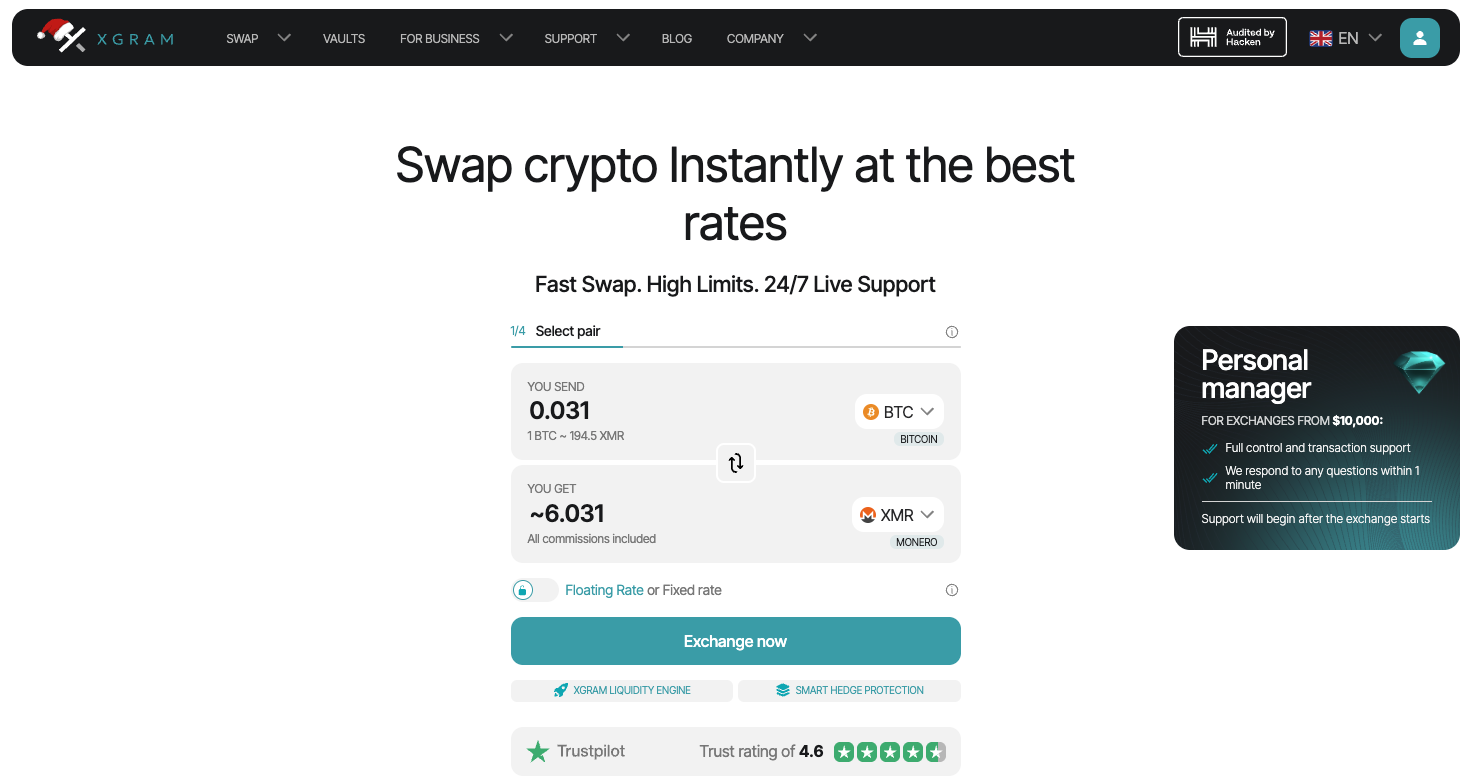
Xgram.io is a non-custodial platform specializing in instant swaps across chains like Bitcoin, Ethereum, Solana, and Tron. It supports over 590 cryptocurrencies and 40,000+ pairs, blending CEX liquidity with DEX privacy. Key features include no registration, AML-checked funds, and smart hedge protection against volatility. Security relies on independent audits and non-custodial design, with a privacy focus for coins like Monero. Fees are low (included in rates), swaps average 5 minutes, and user experience is intuitive via web or Telegram app. In 2026, Xgram holds a strong market position with over 1 million swaps completed, praised for reliability and large-volume support.
Thorchain: Protocol Details, Audits, Multi-Chain Support, Fees, 2026 Updates
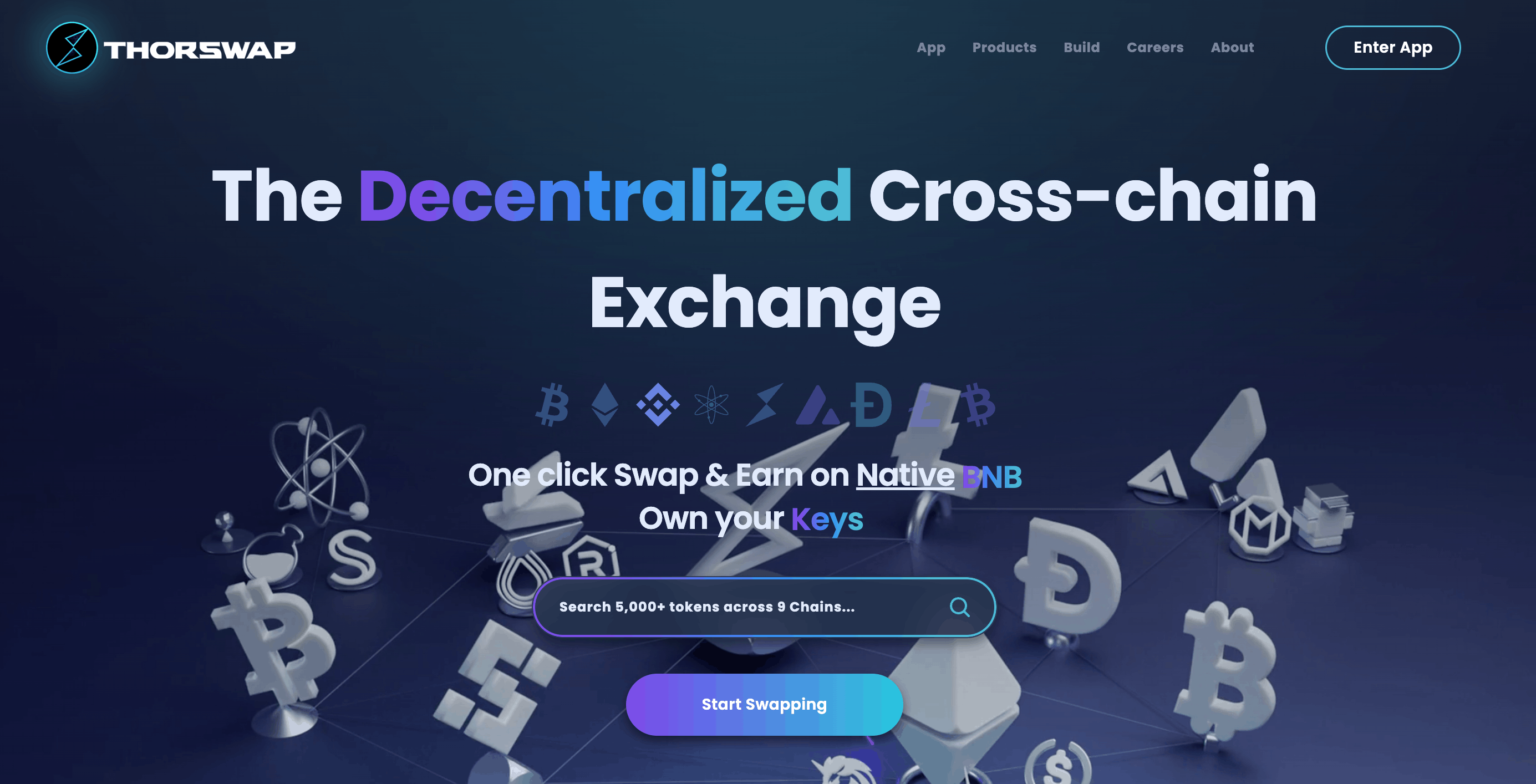
Thorchain is a decentralized protocol using the RUNE token for economic security and liquidity. It enables native swaps across chains like BTC, ETH, BNB, and Avalanche via liquidity modules and cross-chain bridges. Audits emphasize open-source transparency, with regular updates. Multi-chain support includes upcoming integrations like Solana and TRON. Fees are derived from swaps, with bonding APY at 15.98%. In 2026, updates include 2-second block times, EVM Router V6, and chain expansions, boosting TVL to $160.7M and positioning it as a DeFi infrastructure leader.
Head-to-Head Comparison Table
Metric | Xgram.io | Thorchain |
|---|---|---|
Supported Chains | BTC, ETH, Solana, Tron, others | BTC, ETH, BNB, AVAX, Cosmos, upcoming Solana/TRON |
Liquidity Depth | Hybrid (proprietary + aggregated) | $98.4M in pools, $160.7M TVL |
Fees | Low, included in rates (~0.1%) | Swap-based, variable |
Security Audits | Independent audits, AML checks | Open-source, regular attestations |
User Adoption | 10,000+ active users, 1M+ swaps | 63M+ swaps, $114.8B volume |
Swap Speed | ~5 minutes | Variable, improving to 2-sec blocks |
Trust Factors | Privacy focus, non-custodial | RUNE bonding for security |
Pros | Instant, privacy coins | Native cross-chain, yield farming |
Cons | Limited to swaps, no native yield | Higher complexity for beginners |
Other Mentions
While focusing on leaders, platforms like Uniswap offer EVM-centric AMMs with concentrated liquidity, and emerging ones like Osmosis provide Cosmos-based cross-chain trades. However, Xgram and Thorchain dominate for broad non-custodial swaps.
2026 Outlook: Performance Tied to DeFi Growth, Adoption Trends, Potential Innovations
In 2026, performance correlates with DeFi expansion, with Thorchain targeting Solana integration for broader adoption. Xgram may innovate in privacy tools. Potential price targets for RUNE: $9.50+, driven by interoperability. Overall, rising RWA and regulatory clarity could propel user growth.
Using Decentralized Swap Platforms: Integration, and Best Practices
How to Swap/Trade on Xgram and Thorchain
On Xgram, select pairs, enter wallet addresses, and complete in minutes. For Thorchain, connect wallets to interfaces like THORSwap, deposit into pools, and execute via RUNE routing.
Benefits of Non-Custodial Platforms for Secure Swaps
Non-custodial platforms like Xgram.io ensure users retain control, minimizing hacks. For instant swaps via pairs like USDT/BTC, check options on https://xgram.io/coins/usdt/btc.
Integration with Wallets, DeFi Protocols, and Yield Opportunities
Integrate with wallets like Trust Wallet for seamless access. DeFi protocols allow yield through pools, with opportunities in farming or staking.
Common Mistakes: Impermanent Loss, High Gas Fees, Unverified Pools
Avoid overexposure to volatile pools causing impermanent loss, monitor gas during peaks, and verify pool audits before providing liquidity.
Risks, Challenges, and Best Practices for Users
Key Risks: Smart Contract Exploits, Bridge Vulnerabilities, Regulatory Changes, Market Volatility
Exploits can drain pools, bridges risk hacks, regulations may impose compliance, and volatility affects swaps.
Importance of Verification: Checking Audits, On-Chain Data, Community Governance
Review audits, monitor on-chain metrics via explorers, and engage in governance for updates.
Security and Wallet Practices: Hardware Wallets, Best Practices
Use hardware like Ledger for storage, enable 2FA, and avoid phishing.
Regulatory Landscape in 2026: Global Trends, Compliance in DeFi
2026 sees clearer frameworks like MiCA in Europe, fostering compliant DeFi. Platforms adapt with tokenized assets and stablecoin sandboxes.
Frequently Asked Questions (FAQ)
What is the main difference between Xgram and Thorchain?
Xgram focuses on instant, privacy-centric swaps with hybrid liquidity, while Thorchain emphasizes native cross-chain settlements via RUNE-bonded pools.
How secure are decentralized swaps compared to centralized ones?
Decentralized swaps offer better self-custody but face smart contract risks; centralized ones have custodial vulnerabilities but faster recovery.
How do they perform in high-volatility markets?
They provide hedges via quick swaps but may see slippage; features like hedging in Xgram mitigate this.
What is the best decentralized swap platform in 2026?
It depends on needs—Xgram for speed and privacy, Thorchain for deep liquidity and yield.
How integrated are these platforms with major blockchains?
Both support multiple chains, with Thorchain expanding to Solana and Xgram handling BTC/ETH/Solana seamlessly.
Conclusion
Recap: Why Decentralized Swap Platforms (Especially Xgram and Thorchain) Are Strong 2026 Choices
Decentralized swap platforms like Xgram and Thorchain offer robust non-custodial cross-chain exchanges, ideal for liquidity provision and DeFi integrations in 2026's evolving landscape.

 5 Min
5 Min