By Sophie Lindqvist · Reviewed by Viktor Andersson
Quick Answer
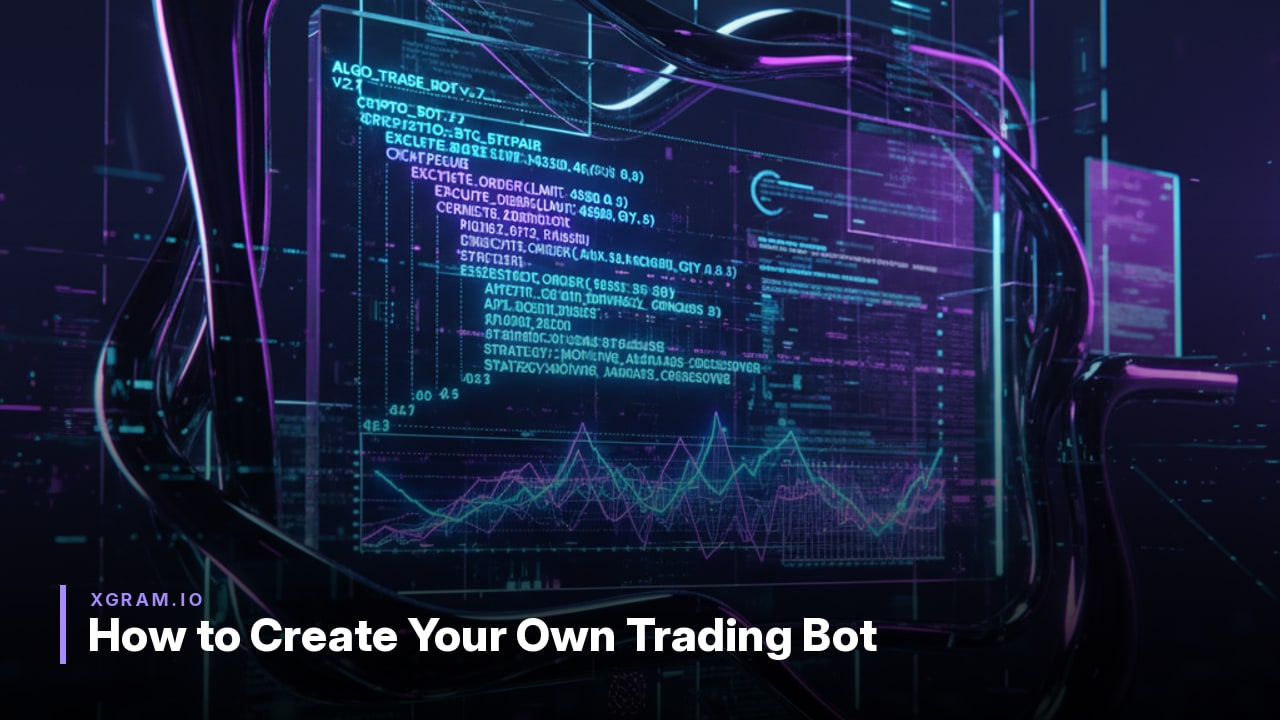
To create your own trading bot: (1) Choose a programming language, (2) Select a trading platform, (3) Develop your trading strategy, (4) Code the bot, (5) Test and optimize. Full step-by-step below.
What you'll need
- A computer with internet access
- Basic knowledge of programming (Python is recommended)
- Access to a crypto trading platform with an API
- A trading strategy or algorithm
- Testing software (optional but recommended)
Step 1: Choose a programming language
This step is crucial as it determines how you will build your trading bot. The most popular programming languages for this task are Python, JavaScript, and C++. Python is particularly favored due to its simplicity and extensive library support.
- Research the pros and cons of each language.
- Decide on a language based on your comfort level and the libraries available.
Step 2: Select a trading platform
Choosing the right trading platform is essential as it affects your bot's capabilities. Look for platforms that offer robust APIs for integrating your bot.
- Research popular trading platforms like Binance, Kraken, or Coinbase Pro.
- Check the documentation of their APIs to ensure they meet your requirements.
- Create an account on the selected platform (ensure it supports API access).
Step 3: Develop your trading strategy
Your trading strategy is the core of your trading bot and determines its success. This can be based on technical analysis, arbitrage, or market-making strategies.
- Define the conditions under which your bot should buy or sell.
- Backtest your strategy using historical data to determine its viability.
- Adjust your strategy based on backtesting results to improve performance.
Step 4: Code the bot
This step involves writing the actual code that will execute your trading strategy on the chosen platform.
- Set up your development environment by installing necessary libraries.
- Write functions for connecting to the exchange API.
- Implement your trading strategy in code.
- Add error handling and logging to monitor the bot's performance.
Step 5: Test and optimize
Testing your trading bot is vital to ensure that it performs as expected in real market conditions.
- Run the bot in a simulated environment using paper trading.
- Monitor its performance and make adjustments to the strategy as needed.
- Once confident, deploy the bot in live trading with a small amount.
How long does it take?
Creating a trading bot can take anywhere from a few days to several weeks, depending on your programming skills and the complexity of the strategy.
How much does it cost?
The cost of creating a trading bot primarily includes software development (if hiring a developer), hosting fees, and potential trading fees on the platform used.
Is it safe? Risks and best practices
While creating a trading bot can be relatively safe, there are inherent risks, including market volatility and programming bugs. Always test thoroughly before going live.
- Keep your API keys secure.
- Regularly update and maintain your bot.
- Implement safeguards to prevent significant losses.
Common mistakes & troubleshooting
- Not backtesting adequately — always backtest your strategies before going live.
- Ignoring market conditions — ensure your strategy accounts for market changes.
- Overtrading due to emotional responses — set limits to avoid this.
FAQ
Can I create a trading bot without programming skills? While it's recommended to have some programming knowledge, there are no-code platforms available for building trading bots.
What trading platforms support bot trading? Popular platforms include Binance, Kraken, and Coinbase Pro, all of which offer API access.
Is it legal to use trading bots? Yes, using trading bots is legal in most jurisdictions, but it’s important to check your local regulations.
How much can I earn with a trading bot? Earnings can vary widely based on the strategy employed and market conditions; there are no guarantees.
Do I need to monitor my trading bot constantly? While bots can operate independently, it’s crucial to monitor their performance regularly and make adjustments as needed.
Conclusion
Creating your own trading bot can be an exciting way to automate your trading strategies. By choosing the right programming language, platform, and developing a solid trading strategy, you can build a bot that works for you. Always remember to test thoroughly before going live and keep security as a top priority. What do you think? Share your thoughts in the comments below!
This is not financial advice. Always conduct your own research before investing.

Private crypto swaps
Best rates. Secure. Wallet to wallet


 5 Min
5 Min