TL;DR (short version):
- Familiarize yourself with Pepe Coin basics and value drivers.
- Compare selling methods: centralized exchanges, peer-to-peer, instant swaps, and Xgram.
- Use a step-by-step plan to sell quickly, with safety nets like two-factor authentication.
- Watch out for big fees or suspicious buyers, and always review your local regulations.
Explore Pepe Coin basics
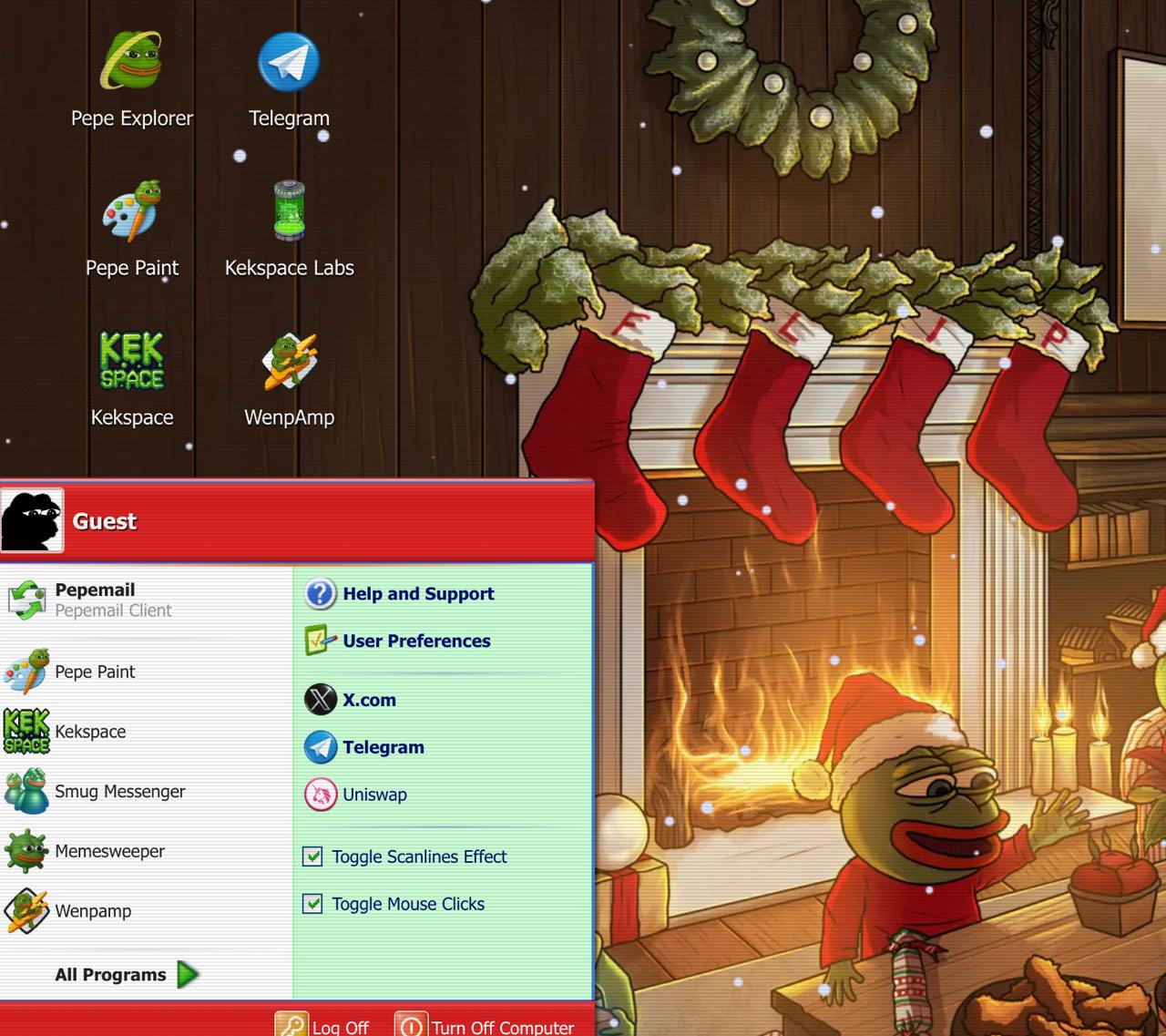
Before you dive into the actual selling process, it is crucial to know what Pepe Coin is and why its value can fluctuate quickly. Pepe Coin is part of a growing category of meme-inspired cryptocurrencies. These projects often gain traction through social media hype, online community support, or playful branding. Market sentiment can shift rapidly with any news or influencer mentions, causing the price to swing up or down.
Below are key characteristics of Pepe Coin that influence its market behavior:
- Community-driven value: Meme coins frequently depend on the strength of their user base. Enthusiasm across social platforms, especially Twitter or Reddit, can greatly influence price.
- Low liquidity risk: Some tokens do not have the same trading volume as bigger coins like Bitcoin or Ethereum. This can make them more volatile and slightly harder to trade.
- Potential for fast rises or drops: While large coins tend to exhibit slower price movements, meme coins like Pepe Coin can surge or drop dramatically, all in a single day.
- Speculative nature: A lot of traders hold meme coins hoping that their value will multiply overnight. However, that also means if hype fades, the price could collapse quickly.
Because Pepe Coin is primarily driven by sentiment, you want to time your sale with favorable market conditions—like when trading volumes are high, or when there is a clear upward trend. Of course, no one can predict the market with absolute certainty, but evaluating broader crypto news, social media chatter, and trading volumes can give you a clearer snapshot of when to sell.
Evaluate your selling methods
The next step in learning how to sell Pepe Coin is to understand the various platforms and systems that can help you convert your crypto into other digital assets or fiat currency. Each method comes with pros, cons, and fee structures. Choosing the right route depends on your preferences, your security requirements, and how quickly you need the funds.
Centralized exchanges
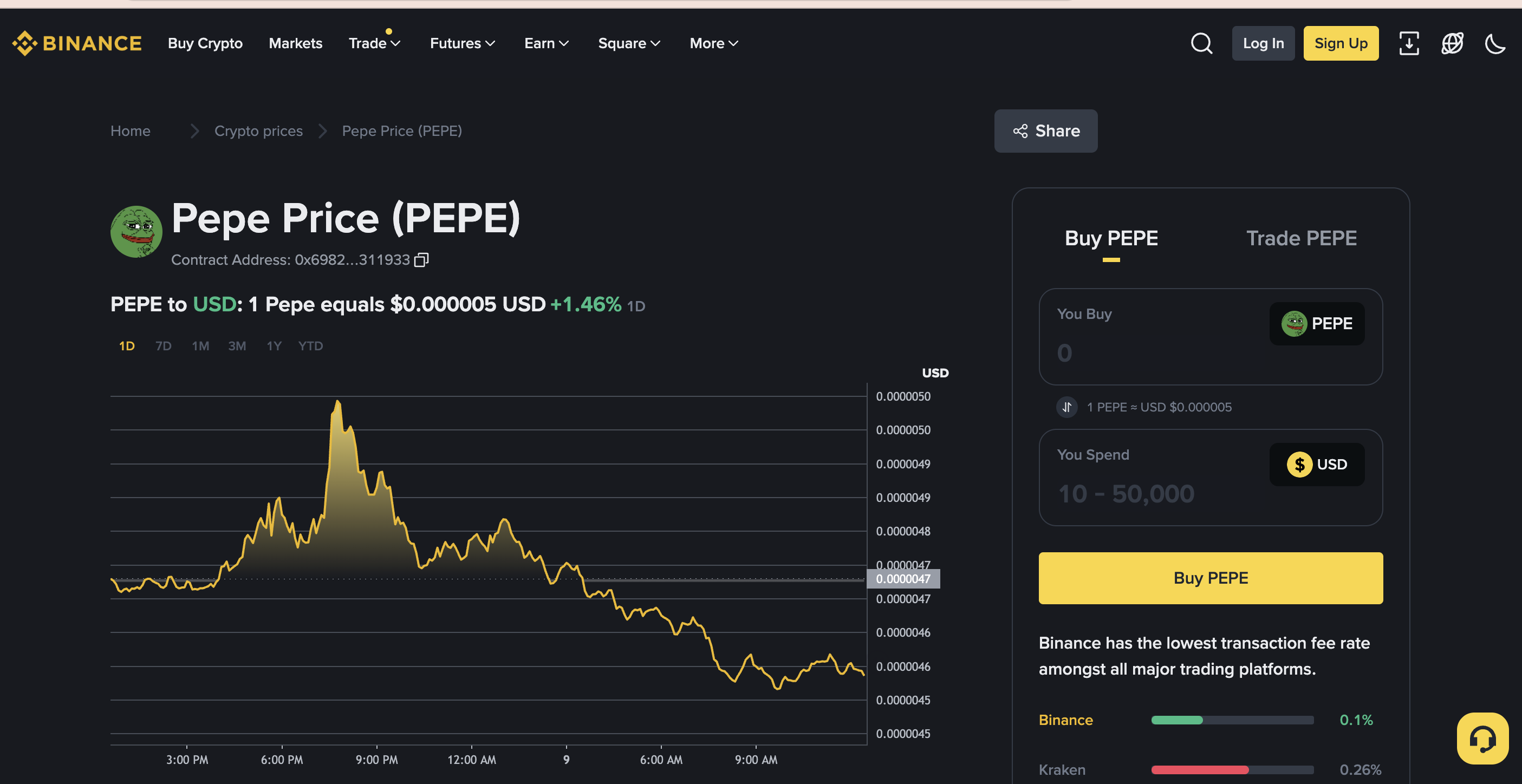
Centralized exchanges (CEXs) like Binance, Coinbase, or KuCoin typically let you trade Pepe Coin against another cryptocurrency (like USDT) or sometimes directly against fiat (like USD). They commonly charge trading fees ranging from 0.1% to 1%, plus potential withdrawal fees.
Advantages:
- User-friendly interfaces and robust liquidity.
- Dedicated customer support.
- Advanced trading features for setting limit and market orders.
Disadvantages:
- Requires account verification (KYC).
- Funds are held in the exchange’s custody until you withdraw.
Peer-to-peer platforms
Peer-to-peer (P2P) platforms connect you directly with a buyer or seller. Here, you set your own rate, and the platform usually provides an escrow service to hold your crypto until payment is confirmed.
Advantages:
- Greater control over the selling price.
- Potentially lower fees compared to centralized exchanges.
- Option for a variety of payment methods.
Disadvantages:
- Trade might be slower if demand is low at your desired price.
- You must carefully vet your buyer or rely heavily on platform reputation ratings.
Instant swap services
Instant swap services like ChangeNOW or SimpleSwap allow you to swap Pepe Coin quickly for bigger cryptocurrencies like BTC, ETH, or stablecoins without creating a user account. You just provide the address where you want the swapped coins to be sent.
Advantages:
- Fast transactions.
- Minimal setup or verification.
- Straightforward interface—no order book.
Disadvantages:
- Sometimes subject to higher exchange rates.
- Limited recourse if you enter the wrong address.
Consider using Xgram
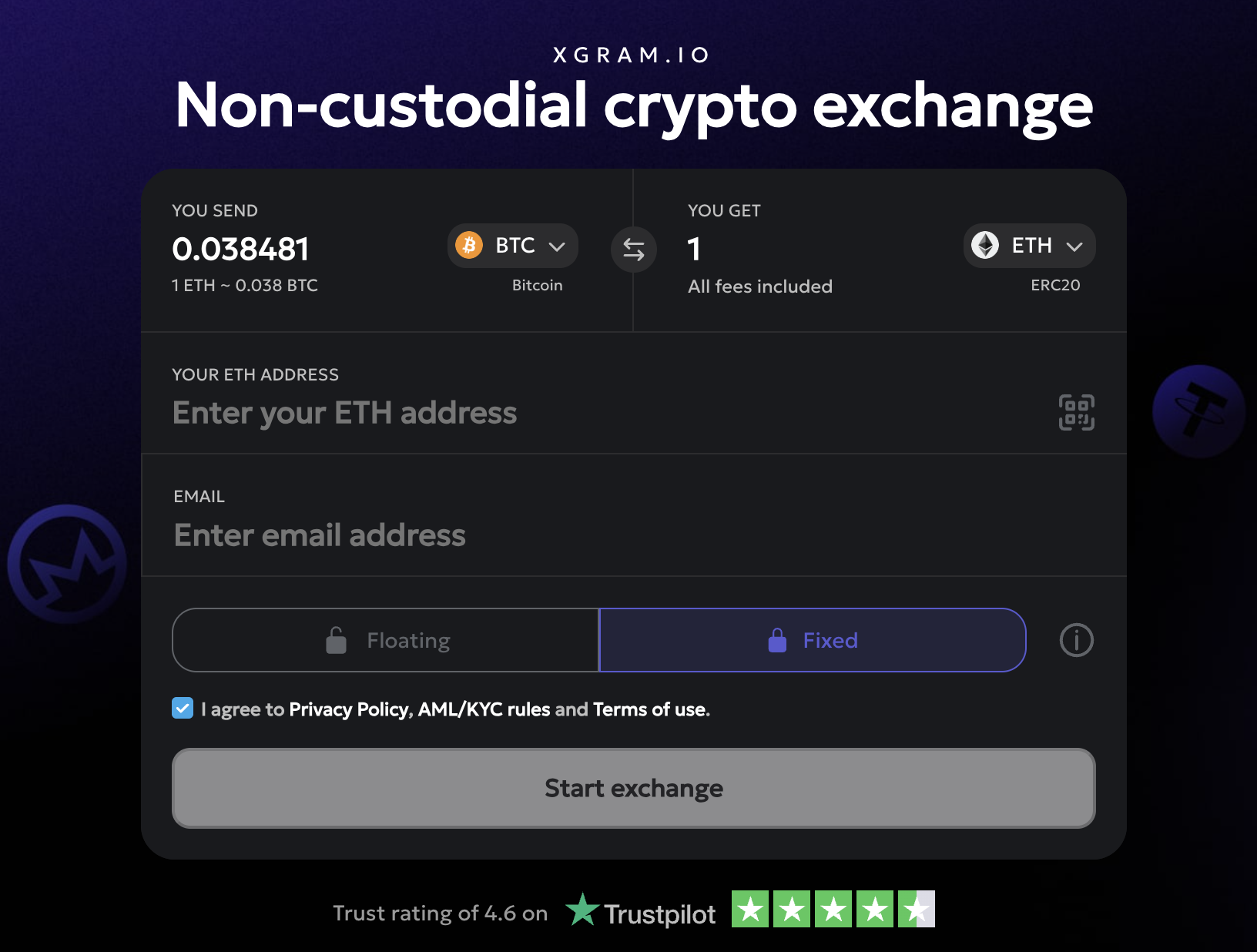
Another option worth highlighting is Xgram, an online exchange service that provides an easy path to convert your crypto without forcing you to connect an external wallet. You simply choose the crypto you want to sell—in this case, Pepe Coin—and the currency (crypto or fiat) you want to receive. Then you deposit your Pepe Coins to the address Xgram specifies, and they handle the swap on your behalf.
Here are five reasons why Xgram might be a handy solution:
- No wallet connection required: You do not have to sync your personal wallet to the platform, which streamlines your experience.
- Lower fees overall: Their service fees tend to be competitive, which can save you money compared to some other instant swaps.
- Efficient swaps: You usually receive your new crypto or fiat choice relatively quickly, minimizing wait times.
- Simple to navigate: The interface is beginner-friendly, so you do not need an extensive trading background to complete a transaction.
- Good for varied trades: If you have multiple tokens besides Pepe Coin, Xgram often supports a range of cryptocurrencies, letting you handle multiple swaps in one place.
Xgram can be a valuable alternative if you dislike the complexity of signing up for a centralized exchange or dealing with the back-and-forth confirmations typical in peer-to-peer setups. Ultimately, it is your call to determine which platform aligns best with your expectations—just remember that each path has unique requirements, so pick the one you feel most confident using.
Follow a step-by-step approach
Having a general sense of the selling landscape is important, but you also need a structured plan. Here is a straightforward blueprint you can use no matter which method you pick. Adapt the steps based on details from your chosen platform, and always stick to safe handling practices with your private keys.
1. Set up your account (if necessary)
- If you plan to use a centralized exchange or certain instant swap services, you might need to create an account.
- Complete any required KYC (Know Your Customer) steps, which can include submitting your ID or proof of address.
- Turn on two-factor authentication (2FA) to minimize the chance of unauthorized access.
2. Choose your trading pair or destination currency
- On a CEX, pick the correct trading pair. For Pepe Coin, it is often PEPE/USDT.
- For P2P, ensure you set your price in your preferred currency so potential buyers can see it.
- On instant swap platforms or Xgram, you will just specify which coin you are trading in exchange for Pepe Coin, or which coin you want Pepe Coin swapped into.
3. Transfer or deposit your Pepe Coin
- If you store Pepe Coin in a personal wallet, you need to send your coins to your chosen platform address.
- Double-check the address details. Mistakes here can lead to permanent loss of your funds.
- Monitor the network confirmation, which can take a few minutes or up to an hour depending on congestion.
4. Place the sell order or initiate the swap
- On a CEX, you can do a market order for a quick trade at current prices or a limit order to wait for an optimal price.
- For P2P, confirm the buyer’s payment details and place your Pepe Coin in escrow.
- With an instant swap or Xgram, just confirm the transaction total, fees, and receiving address.
5. Confirm receipt of funds
- Once the trade is executed, check your balance on the platform or confirm that the swapped asset was sent to your chosen wallet.
- On a P2P platform, do not release your escrowed Pepe Coin until you verify the buyer’s payment.
- Store your newly received funds safely, whether that is in a secure wallet or a bank account if you cashed out to fiat.
6. Withdraw to your secure storage
- For maximum security, transfer your new crypto to a personal wallet with private keys you control.
- If you sold for fiat, withdraw to your bank account—just be mindful of any withdrawal fees or wait times.
- Document the transaction if you need it for tax purposes or personal record-keeping.
Avoid costly selling mistakes
Even if you have a plan, certain pitfalls can sabotage your earnings or put you at risk. By understanding these traps, you can be proactive and avoid them entirely.
- Failing to check market conditions: Selling on a downswing can leave you with regret if the price rebounds soon after. Keep an eye on trading volume and broader market sentiment before confirming any sell orders.
- Using suspicious platforms: Always research the platform’s track record. Avoid websites that have minimal transaction history, no clear support channels, or negative social proof.
- Disregarding local regulations: Some regions impose restrictions or require you to report certain crypto transactions. Make sure you follow the law in your area.
- Exposing personal keys: Be cautious when connecting external wallets to new services. Double-check that the URL is correct and that you are not falling prey to phishing attempts.
- Neglecting transaction fees: High fees can eat into your profits. It might be worth waiting for a period of lower network congestion or using a platform with lower fees.
Minimize fees effectively
Transaction costs might seem small at first, but they can rapidly pile up. You can lose a significant chunk of your gains if you fail to spot fee structures or if you overlook gas fees on certain networks. Here is how to keep more of your earnings.
Compare exchange costs
Centralized exchanges each have different fee tiers based on your monthly trading volume. Check if you qualify for reduced fees by holding the exchange’s native token or by trading above a certain threshold.
Time your network transactions
Most blockchains have periods of lower usage. By selling Pepe Coin during off-peak hours, you might see cheaper gas fees. Keep tabs on transaction cost trackers—or look at historical patterns to guess when the network might be less congested.
Pick the right platform
If you only intend to make quick one-off trades, a user-friendly service that charges slightly higher nominal fees could still be reasonable. However, if you plan to sell frequently, you might want to explore specialized platforms like Xgram or low-fee exchanges where consistent usage leads to lower overall costs.
Use limit orders
On a CEX, placing limit orders at your chosen price might lead to lower trading fees versus placing immediate market orders. Check whether your exchange has a maker-taker fee schedule where “makers,” who set limit orders, pay less than “takers,” who use market orders.
FAQs about selling Pepe coin
Below are five frequently asked questions to help you clarify tricky parts of the selling process and feel comfortable making your next move.
How do I find the best time to sell Pepe Coin?
You will want to pay attention to overall market conditions and any big news events. Keep an eye on when trading volume is highest—usually, that is when the market is more liquid, and you are less likely to experience drastic price fluctuations.What if my exchange does not list a PEPE-to-USD pair?
Many smaller exchanges only offer PEPE-to-crypto pairs like PEPE/USDT or PEPE/ETH. In that case, you can first convert Pepe Coin to a stablecoin or a major cryptocurrency, then withdraw or swap that into fiat.Are there limits on how much Pepe Coin I can sell?
That depends on the platform’s policy and your account verification level. Centralized exchanges often have daily or monthly withdrawal limits based on your KYC profile. P2P platforms sometimes limit the trade amount per transaction. Check the rules before you start selling large sums.Is it safe to use a P2P platform for first-time sellers?
Yes, as long as you choose a reputable marketplace with escrow services and good user reviews. Look for sellers/buyers who have a positive transaction history, and never release the tokens from escrow until you confirm payment.Do I need to pay taxes when I sell Pepe Coin?
That depends on your local tax regulations. In many countries, selling crypto for fiat is considered a taxable event. Consult local guidelines or talk to a tax professional to know exactly how to report your transactions.
Wrap up your strategy
Selling Pepe Coin is not difficult once you break it down. You have multiple pathways—from centralized exchanges to P2P platforms, instant swap services, and Xgram. All you need is a steady plan: confirm your account setup, time the market if possible, transfer your coins carefully, finalize the trade, and ensure you safely store or withdraw your proceeds.
Staying alert is key. Watch out for sudden price swings, rogue platforms, and fees that might nibble away at your profits. With proper preparation, you can convert Pepe Coin confidently. Familiarize yourself with these best practices, apply them each time you trade, and see how seamlessly you can execute your sales. By following this guide, you will steadily build your knowledge, hone your selling skills, and protect your gains in the ever-changing world of crypto.

Private crypto swaps
Best rates. Secure. Wallet to wallet

 5 Min
5 Min