How to Make Money with Cryptocurrency in 2026



TL;DR:
- Start by grasping the core concepts of blockchain and digital assets.
- Pick an earning method that fits your goals, such as buying and holding, trading, or staking.
- Choose a reliable exchange platform and keep risk management front and center.
- Stay organized with taxes, keep learning, and adapt as the crypto markets evolve.
Understand cryptocurrency fundamentals
Getting comfortable with the basics of cryptocurrency will shape your decision-making down the road. You will come across unfamiliar terms like blockchain, tokenomics, and hashing—but don’t let them intimidate you. A thorough grasp of these building blocks prepares you for more advanced strategies, from day trading to passive income streams.
The basics
Cryptocurrency is a digital form of money that uses cryptography for security and relies on decentralized technology. You can transfer and store it without a traditional bank or financial institution. Instead of one central authority controlling the ledger, a network of computers, or nodes, verifies each transaction. This setup fosters transparency and resilience against manipulation.
Bitcoin was the first-ever cryptocurrency, introduced in 2009, and it remains the best-known coin worldwide. Since then, thousands of other digital currencies have emerged, each with its own features and potential uses.
Market overview
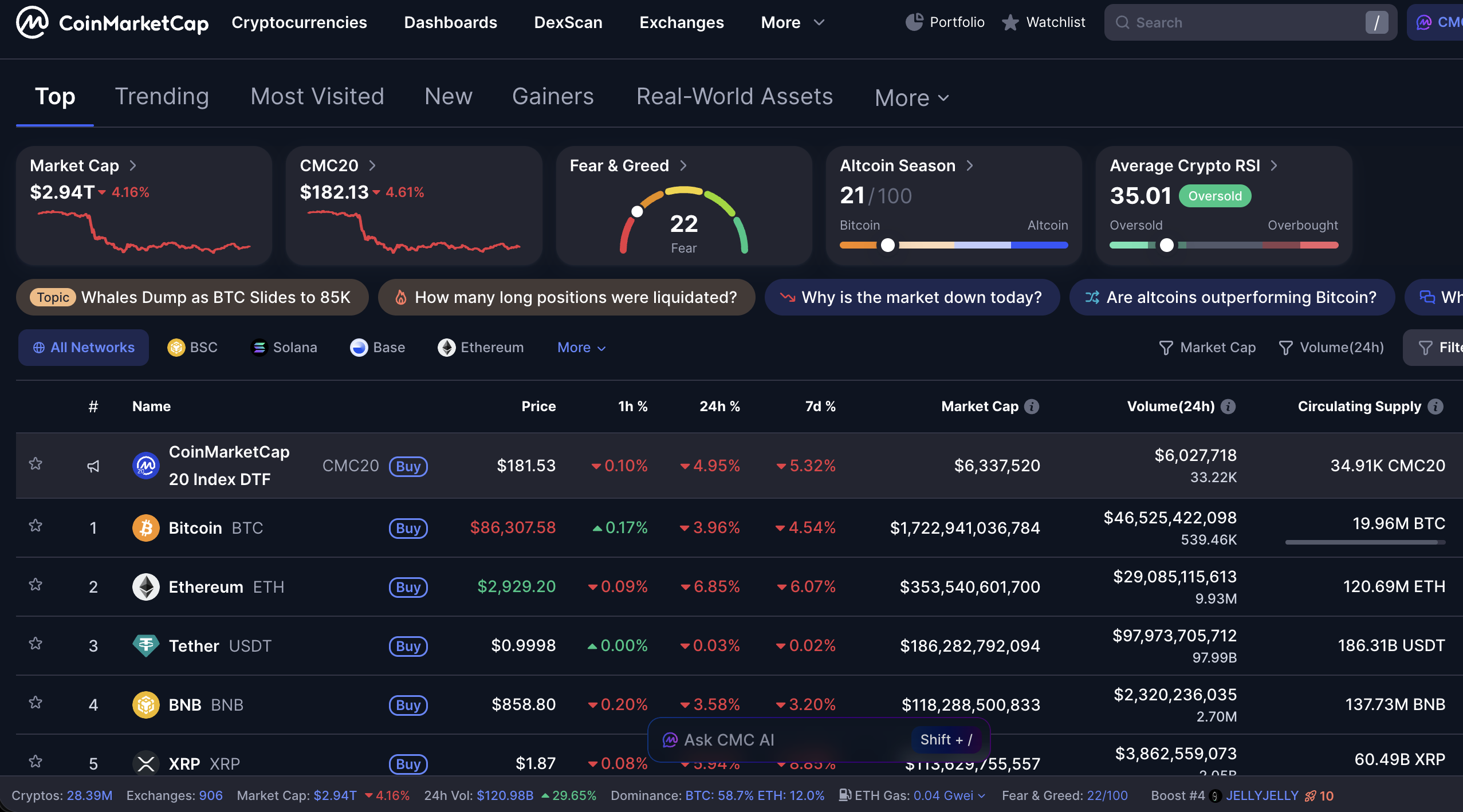
The cryptocurrency market is known for fast swings in price. Some assets can surge 30% one week and stumble 20% the next. The upside to this volatility is the opportunity to make money in both short-term and long-term strategies. On the flip side, a lack of caution can result in losses, so planning ahead is key.
Exchanges, news platforms, and social media all play a massive role in shaping crypto prices. Some coins react strongly to buzz and community sentiment, while others move more steadily, fueled by real-world partnerships or unique technology. By watching market trends, you can learn to spot legitimate projects and steer clear of hype-driven ups and downs.
The role of blockchain
At the core of every cryptocurrency lies the blockchain, which acts like a public database of all confirmed transactions. Rather than relying on a single server, it operates across many nodes to preserve records and prevent tampering.
Because of this decentralized design, blockchains are typically harder to shut down or corrupt. They champion a peer-to-peer approach, meaning you can transact directly with others without a bank or payment processor in between. Embracing the blockchain mindset helps you see why cryptocurrencies can be more than just speculation, potentially driving innovation in everything from finance to logistics.
Explore earning methods
When you wonder, “How do I make money with cryptocurrency?” you will find more than one path. From buying and holding your favorite digital asset to more active trading or even passive income, there is a method for each risk level and time commitment. Below are several options that beginners can consider.
Buy and hold
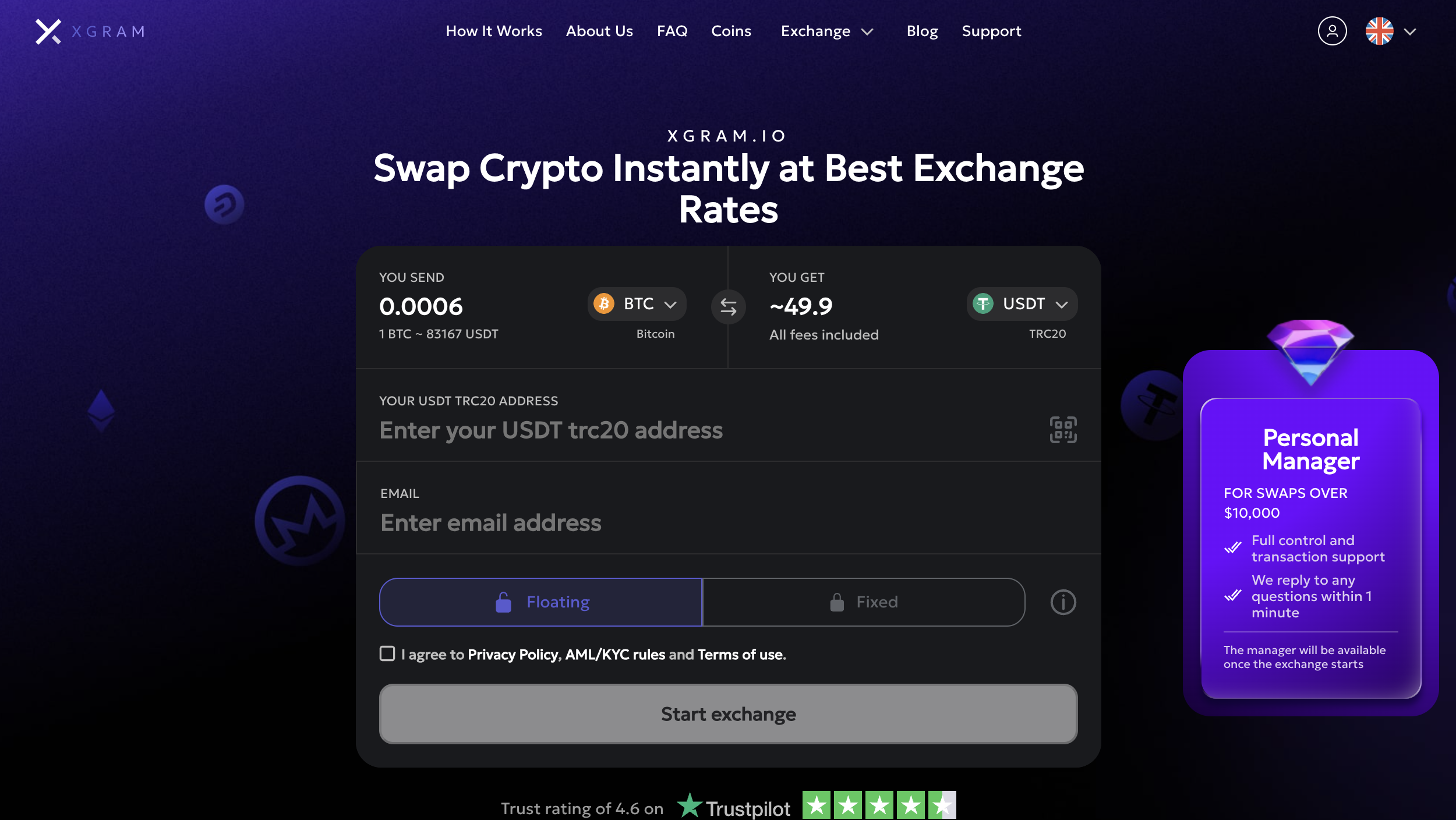
This approach, often called HODLing in crypto slang, means purchasing a coin you believe will grow in value and holding it for the long term. You don’t concern yourself too much with day-to-day price swings. Instead, you hope the coin’s overall trend moves upward over months or years.
Buy-and-hold investing can let you keep things simple. You choose strong projects based on fundamentals—like technology, adoption, and leadership—and aim to ride out market noise. It requires more patience, but less urgent stress about price fluctuations. Many investors begin here because it is straightforward and aligns well with a traditional investing mindset.
Trading
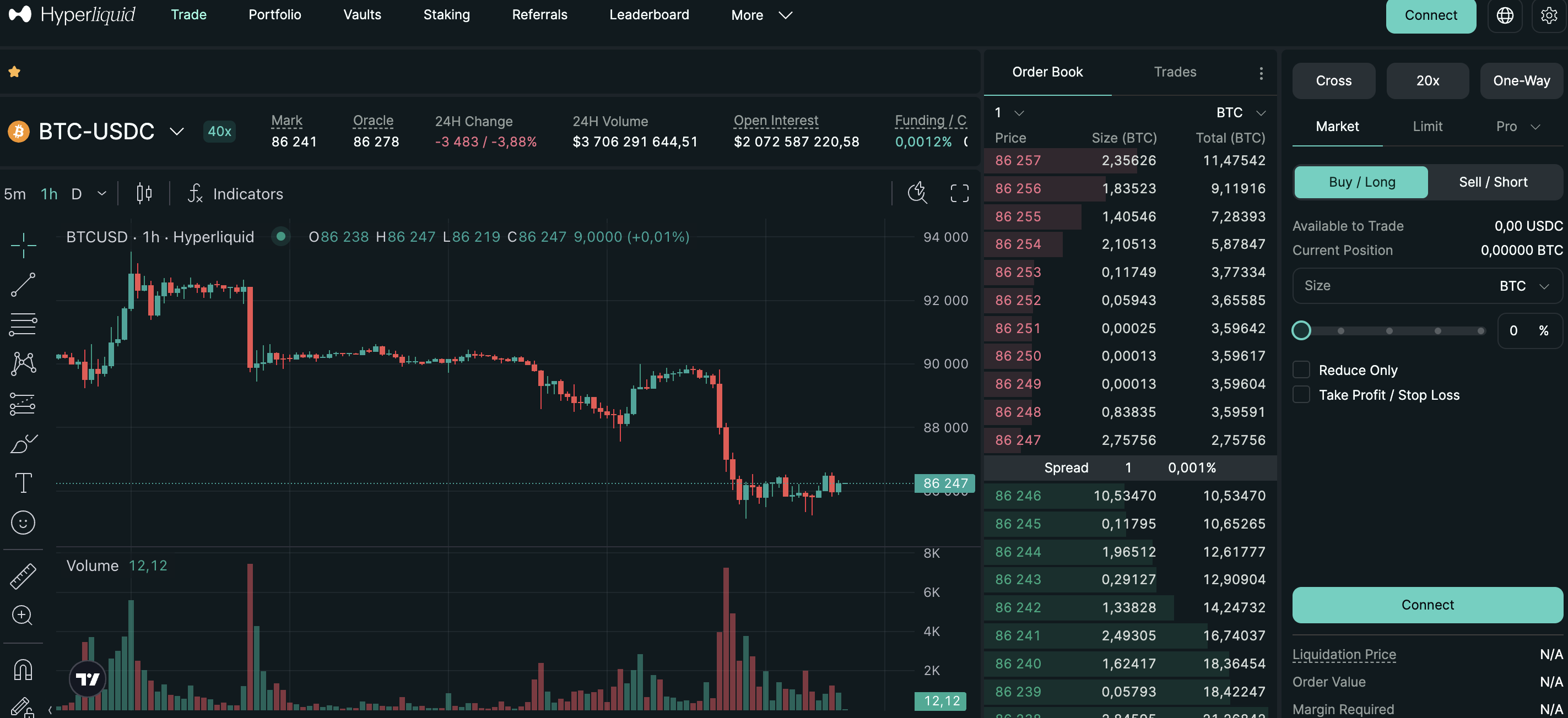
For those who prefer regular interaction and live market action, trading can be a more active method to make money with cryptocurrency. You might use technical analysis or track market signals to predict short-term price moves. Day traders, for example, open and close positions within hours, hoping to lock in quick profits. Swing traders might hold positions for days or even weeks, aiming to capture medium-term price trends.
Trading demands a solid plan, emotional discipline, and risk management strategies like stop-loss orders. Because the crypto market never sleeps, it is easy to burn out, so you will want to pace yourself and limit overexposure. You will also need to understand the gory details of fees: many exchanges charge transaction fees or spreads that can chip away at frequent traders’ gains.
Staking and yield farming
Staking involves locking up your coins on proof-of-stake (PoS) platforms to help validate transactions. In exchange, you earn rewards in the network’s native currency. This can be a lower-intensity way to earn passive income from coins that support staking.
Yield farming takes the idea of staking even further, especially in the decentralized finance (DeFi) space. You might deposit your crypto into lending protocols or liquidity pools, receiving fees and interest for contributing your resources. These activities can come with higher yields, but they also carry extra risk. If you choose this route, research the platform’s history, security measures, and community reputation.
Mining
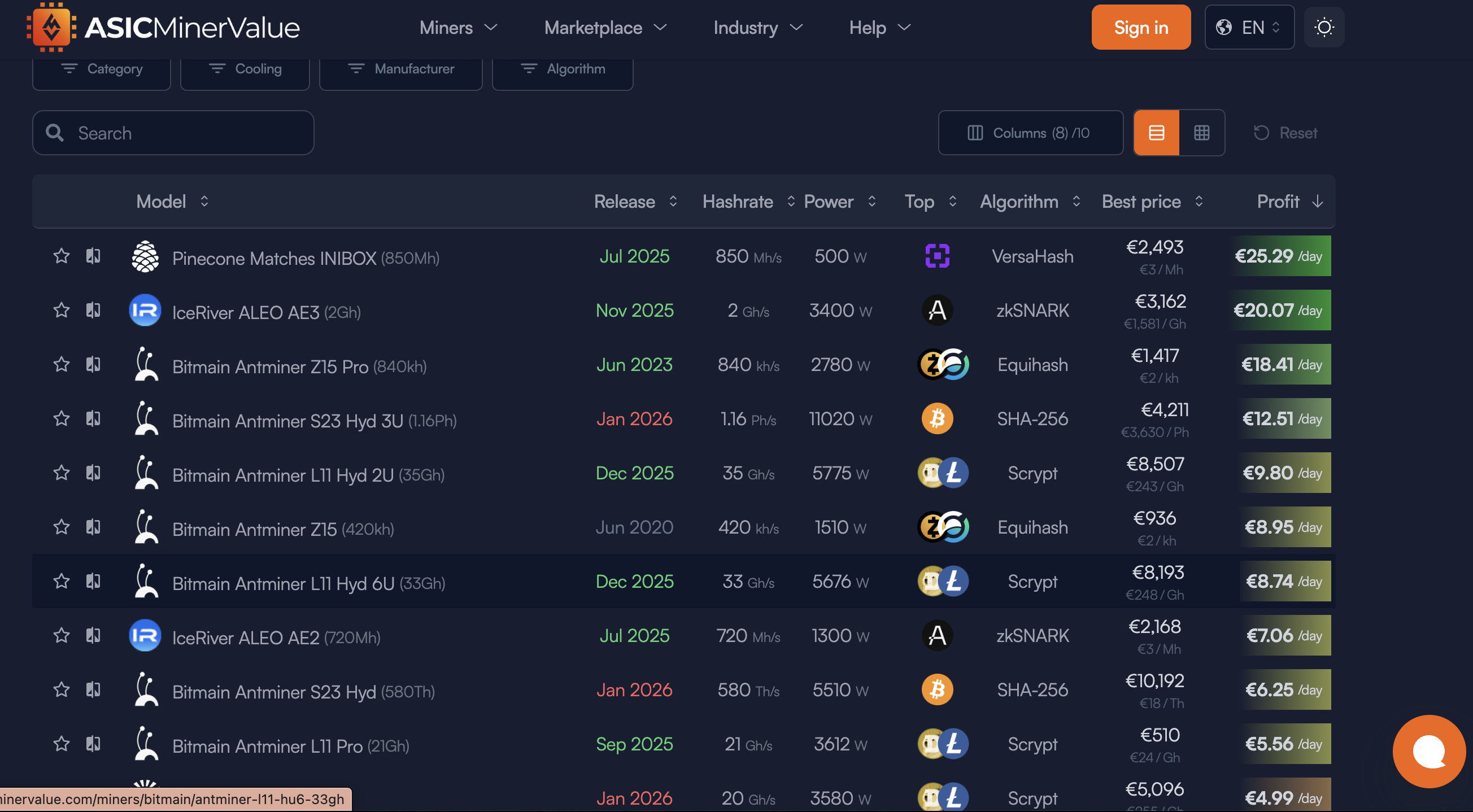
Mining crypto like Bitcoin involves using specialized hardware to solve complex calculations and secure the network. In return, miners receive newly minted coins as block rewards. Once the backbone of small-scale operations, mining today often involves large data centers with top-tier equipment.
For a complete beginner, the cost of gear plus electricity can be substantial. Some altcoins are still approachable for home mining, though you need to weigh whether the potential returns are worth the upfront investment. Mining has its rewards, but you may find other earning methods simpler to start with, especially if you lack technical knowledge or prefer a more hands-off approach.
Freelancing or micropayments in crypto
If you have marketable skills—writing, design, or coding—you can get paid directly in cryptocurrency. Various freelance platforms connect you with employers who are looking to pay in Bitcoin, Ethereum, or other coins. This approach can help you accumulate crypto steadily without dipping heavily into your personal savings.
Another angle is earning small sums of crypto through apps that pay you for micro-tasks, surveys, or content engagement. While it won’t net you large amounts, it can serve as an easy introduction to handling digital wallets and transactions.
Use an exchange platform
An exchange platform is basically your gateway to buying, selling, or swapping cryptocurrencies. You will find both centralized exchanges, which operate under a corporate structure, and decentralized ones, which exist as open protocols on the blockchain. Knowing how to evaluate trustworthiness, fees, and ease of use is essential.
Choosing a reputable exchange ensures your transactions can be completed quickly and securely. Always confirm that the platform supports the currencies you plan to use. Fees can vary significantly, so pay attention to the fine print—some exchanges have tiered rate structures that reward higher volumes, while others rely on uniform trading costs.
Xgram for quick swaps
Consider trying Xgram if you want to streamline your transactions. Xgram is an exchange designed to let you make swaps between cryptocurrency and regular currencies, saving you sizable amounts on fees. You don’t need to connect a traditional wallet, which can simplify your onboarding, especially as a beginner. Operations tend to be fast, matching the platform’s mission to let you pivot your assets without hassle. Despite its accessibility, always exercise caution when handling funds: confirm you are using the legitimate domain and contact support if any steps confuse you.
Overall, Xgram offers a user-friendly experience, removing extra hurdles so you can focus on growing, converting, or diversifying your crypto holdings.
Manage your risks
The cryptocurrency market’s volatility can be both a feature and a bug. It allows for significant gains and likewise for painful drops. A risk management plan can help you avoid emotional decisions or blind leaps into hype-driven coins.
Volatility and market downturns
If you plan to make money with cryptocurrency, buckle up for price swings. Crypto can plummet during broader economic stress or when investor sentiment shifts. Some people choose a dollar-cost averaging (DCA) method, adding smaller amounts on a set schedule to smooth out price fluctuations.
Looking at a project’s fundamentals, such as its use cases or development progress, can also guide you away from glitzy “pump and dump” schemes. It is normal for markets to see corrections and rebounds, so building a longer horizon and diversifying across multiple coins helps reduce exposure to any one failing project.
Security best practices
Hackers and scammers often target newcomers to the crypto realm. Keep your funds safe by using well-reviewed wallets—preferably hardware wallets—for storage. Whether it is a phishing link on social media or a suspicious “giveaway,” criminals prey on inexperience.
Additional tips include:
- Enabling 2-Factor Authentication (2FA) on all relevant accounts.
- Using strong, unique passwords.
- Never sharing your seed phrase or private keys.
- Keeping software and antivirus tools updated.
Vigilance and consistent habits are your first line of defense.
Plan for taxes
Like any other profit, earnings from cryptocurrency are typically subject to taxation in many countries. Exact rules vary widely, but you generally need to declare capital gains if you sell your coins for more than you paid, or if you swap them for another asset at a higher valuation.
Basics of crypto taxes
Some jurisdictions may treat each crypto transaction as a taxable event. Others might only tax profits when you convert crypto back to fiat. Either way, understanding your local tax code will help you avoid future complications. Keep track of your purchase prices (cost basis), sale prices, and the dates of transactions. Your tax authority might reference these details to evaluate your liability.
You can run into additional complexity with activities like staking or yield farming, as rewards may be considered income. Make sure to record every reward or distribution precisely.
Keeping records
Detailed accounting is a must when dealing with crypto. Anytime you buy, sell, swap, or earn, document the transaction. Specialized portfolio apps or even spreadsheets can work, as long as your data is accurate.
Regularly updating your records means you can quickly figure out your tax liability at the end of the fiscal year. If you decide to work with an accountant, having neatly organized information will speed up the process. Contact local experts if you have doubts about which rules apply to your specific case.
Five FAQs about making money with cryptocurrency
Below are five common questions beginner investors ask about diving into crypto and generating profit.
Q: How much money do I need to start?
A: You can begin with as little or as much as you can comfortably afford, even $10 or $20. Many trading platforms let you buy fractional amounts of major cryptocurrencies. That said, consider your overall financial picture before investing. If you need the money for essentials or emergency reserves, it is safer to hold off or only commit a small portion.Q: Do I need my own crypto wallet?
A: If you want full control of your cryptocurrency holdings, a wallet—especially a hardware wallet—is beneficial. Exchanges can hold your funds, but that can be riskier because you don’t control the private keys. A personal wallet keeps your coins accessible only to you. On the other hand, if you are using a temporary exchange like Xgram for quick swaps, you might operate without linking a wallet, though you still need to exercise caution in storage and management.Q: Can I make reliable passive income from crypto?
A: Options like staking, yield farming, and lending protocols do allow for passive income, though returns vary by coin and market conditions. Some coins offer an annual percentage yield (APY) that is relatively stable. However, do your research to ensure your funds are locked in secure and reputable projects. Crypto interest rates can go up in flames during market downturns if the underlying lending platform fails or gets hacked.Q: Is trading crypto too complicated for beginners?
A: It can be, if you dive in without any practice. Many newcomers start with demo accounts or place very small trades until they build confidence in reading charts, setting up stop-loss orders, and spotting trends. Also, emotions can dominate your decision-making in such a volatile market. The more you practice and refine your trading plan, the more comfortable—and potentially profitable—you can become.Q: What are the biggest mistakes to avoid?
A: A major mistake is investing more than you can afford to lose. Another pitfall is jumping into random altcoins based on social media hype without checking fundamentals. Failing to set aside cash for taxes or forgetting to record transactions can also cause problems later. Finally, neglecting security—like using weak passwords or ignoring two-factor authentication—opens you up to hacking risks.
Conclusion
Learning how to make money with cryptocurrency starts with educating yourself and choosing a method that fits your personal goals, risk tolerance, and available time. Whether you opt for buy-and-hold investments, frequent trades, or passive income from staking, your success hinges on consistent research and disciplined strategies.
Take it one step at a time. Master the basics, then practice with small sums so you build confidence without risking too much. Keep your records in order, stay vigilant with security, and explore user-friendly platforms like Xgram if you want a streamlined swapping process. By combining knowledge, patience, and smart risk management, you lay a foundation for long-term growth in the evolving world of crypto.

Private crypto swaps
Best rates. Secure. Wallet to wallet

 5 Min
5 Min