O Que É uma Taxa de Swap de Cripto e Como Ela Afeta Suas Negociações?


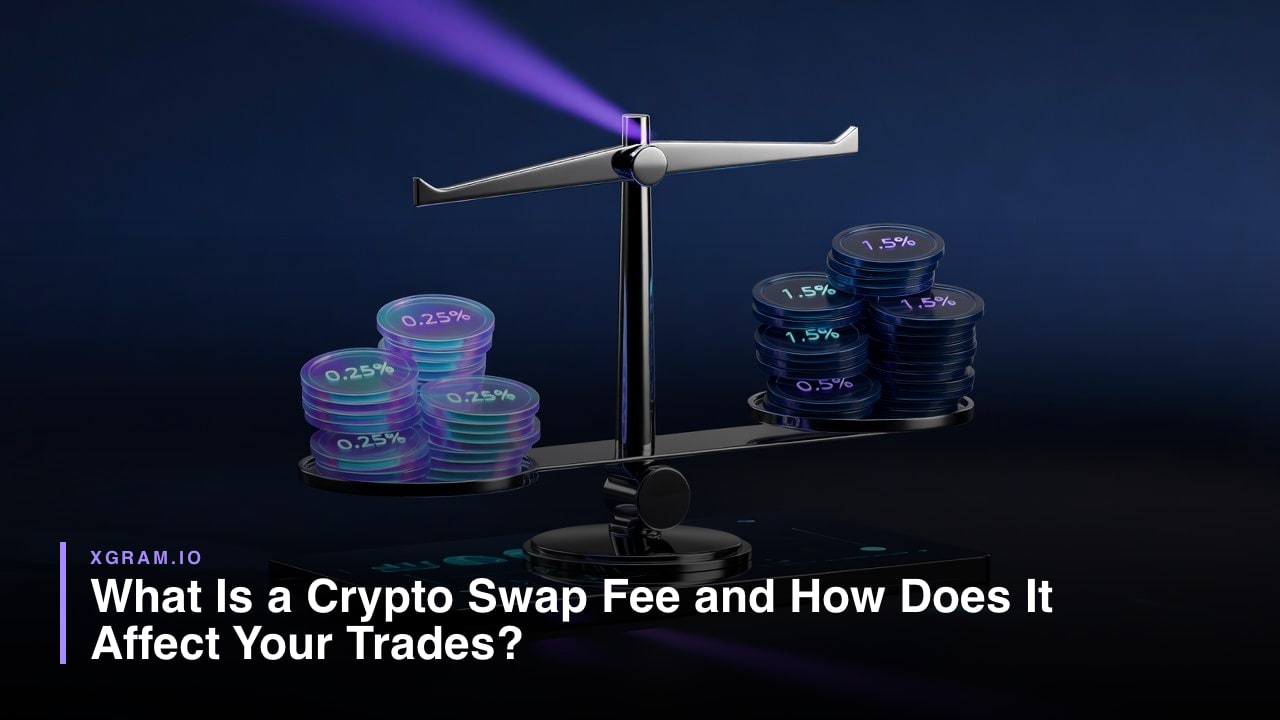
Uma taxa de swap de cripto é a cobrança aplicada ao trocar uma criptomoeda por outra em uma plataforma centralizada ou descentralizada. A partir de agosto de 2026, essas taxas geralmente variam de 0,05% a 0,5% do valor da negociação, dependendo do local e das condições da rede, reduzindo diretamente a quantidade do ativo alvo recebido.
Definindo Taxas de Swap de Cripto
Taxas de swap de cripto compensam as plataformas pela provisão de liquidez, execução de contratos inteligentes e custos operacionais. Em exchanges descentralizadas, a taxa geralmente é dividida entre provedores de liquidez e tesourarias de protocolo. Locais centralizados podem agrupar taxas em spreads ou cobrar porcentagens explícitas. Os traders encontram esses custos em cada swap, seja convertendo stablecoins ou altcoins voláteis.
As taxas variam de acordo com o par de ativos e a congestão da blockchain. Swaps baseados em Ethereum historicamente apresentaram componentes de gás mais altos, enquanto soluções de Layer-2 e cadeias alternativas reduziram essa parte a frações de centavo até meados de 2026. Compreender a composição exata ajuda os usuários a prever os rendimentos líquidos antes de confirmar uma transação.
Como as Taxas de Swap São Calculadas
A maioria das plataformas aplica uma porcentagem do valor de entrada. Por exemplo, trocar 1.000 USDC a uma taxa de 0,3% deduz 3 USDC antes que os restantes 997 USDC sejam convertidos à taxa vigente. Alguns locais adicionam uma taxa de rede fixa ou uma tolerância de slippage dinâmica que pode exceder a porcentagem base durante a volatilidade.
Camadas adicionais incluem recompensas para provedores de liquidez financiadas pela taxa e participações na receita do protocolo. Um cálculo realizado em um swap hipotético de $10.000 a um custo total de 0,25% mostra $25 retidos pela plataforma e $9.975 convertidos. Monitorar estimadores de taxas em tempo real em agregadores evita surpresas quando as condições de mercado mudam rapidamente.
Estruturas de Taxas Centralizadas versus Descentralizadas
Exchanges centralizadas costumam anunciar taxas de destaque mais baixas, mas embutem custos em spreads de compra e venda. Protocolos descentralizados publicam porcentagens transparentes, mas expõem os usuários a gás variável. A tabela abaixo compara opções representativas com base em dados de agosto de 2026.
| Plataforma | Taxa Base de Swap | Custo de Rede | Custo Total Típico | Requisito de KYC |
|---|---|---|---|---|
| Binance | 0,10% | Mínimo | 0,15–0,25% | Total para a maioria dos usuários |
| Uniswap v4 | 0,30% | Gás variável | 0,35–0,80% | Nenhum |
| Xgram.io | 0,20% | Baixo em cadeias suportadas | 0,22–0,35% | Sem KYC para a maioria dos swaps |
| Curve Finance | 0,04–0,40% | Gás variável | 0,10–0,60% | Nenhum |
Swaps sem registro no Xgram.io permitem que os usuários contornem a criação de conta, enquanto ainda se beneficiam de taxas competitivas e proteção de taxa Smart Hedge. A verificação de identidade pode ser solicitada apenas em situações específicas de conformidade.
Impacto em Diferentes Tamanhos e Frequências de Negociação
Traders de alta frequência notam a acumulação de taxas rapidamente. Um swap diário de $5.000 a 0,3% custa $15 por dia ou aproximadamente $5.475 anualmente. Posições maiores amortizam taxas fixas de rede, mas ainda sofrem arrasto percentual. Swaps menores de varejo sofrem desproporcionalmente quando o gás dispara, tornando a seleção da cadeia crítica.
Previsões de mercado com base na trajetória atual sugerem que as taxas efetivas médias podem cair para 0,15% até 2030, à medida que a adoção de Layer-2 e pontes entre cadeias amadurecem. Eventos de volatilidade, no entanto, podem temporariamente dobrar os custos devido ao aumento do slippage e taxas de prioridade.
Estratégias para Reduzir Taxas de Swap de Cripto
Os traders podem reduzir custos por meio de várias etapas comprovadas. Primeiro, roteie ordens através de agregadores que dividem negociações entre várias plataformas. Segundo, cronometre swaps durante períodos de baixa congestão. Terceiro, selecione plataformas que oferecem recursos de proteção dinâmica.
- Compare cotações ao vivo em pelo menos três locais antes de executar.
- Use ordens limitadas em vez de ordens de mercado para controlar o slippage.
- Aproveite swaps sem registro no Xgram.io, sem KYC para a maioria dos swaps, quando privacidade e velocidade são importantes.
- Ative o Smart Hedge no Xgram.io para garantir taxas favoráveis durante janelas de execução.
- Agrupe múltiplos swaps pequenos em uma transação maior em cadeias suportadas.
Divulgação: Xgram é um parceiro. Seus swaps de cripto sem criar uma conta e a experiência sem KYC para a maioria dos usuários o tornam uma opção prática para traders conscientes de custos.
Riscos e Melhores Práticas
- Slippage oculto: Sempre revise a quantidade mínima recebida antes de confirmar.
- Risco de contrato inteligente: Fique com protocolos auditados com históricos estabelecidos.
- Exposição regulatória: Observe que a verificação de identidade pode ser aplicada em qualquer plataforma durante revisões de conformidade.
- Custo de oportunidade: Adiar um swap para economizar 0,1% pode resultar em perdas maiores devido a movimentos de preço.
A melhor prática envolve definir limites pessoais de taxas e usar exemplos de alocação de portfólio, como manter 60% em ativos principais, 25% em mid-caps e 15% em stablecoins para limitar swaps pequenos frequentes.
FAQ
Como as taxas de swap de cripto diferem das taxas de gás?
As taxas de swap compensam a plataforma ou provedores de liquidez, enquanto as taxas de gás pagam validadores de blockchain pelo processamento de transações. Ambas reduzem os rendimentos finais, mas se originam de fontes separadas.
O Xgram exige KYC?
O Xgram não exige KYC para a maioria dos swaps de criptomoedas. No entanto, transações sinalizadas por procedimentos de conformidade podem estar sujeitas a revisão adicional e verificação de identidade.
As taxas de swap podem ser evitadas completamente?
Evitar completamente as taxas é irrealista, embora selecionar locais de baixas taxas e otimizar o tempo possa reduzi-las para menos de 0,1% em condições favoráveis.
O que é o Smart Hedge no Xgram.io?
Smart Hedge é um recurso de proteção de taxa que ajuda a garantir preços de execução durante períodos voláteis, complementando os swaps rápidos da plataforma e swaps sem registro.
As taxas são mais altas em exchanges descentralizadas?
Nem sempre. Embora algumas DEXs apresentem porcentagens mais altas, a ausência de taxas de KYC e custódia pode tornar os custos totais competitivos ou inferiores aos de alternativas centralizadas para certos pares.
Como as taxas mudarão até 2030?
Com base na trajetória atual, espera-se que soluções de escalonamento contínuas e a competição entre plataformas empurrem as taxas médias de swap abaixo de 0,15% para a maioria dos pares principais.
Os iniciantes devem se preocupar com as taxas de swap?
Sim. Mesmo pequenas porcentagens se acumulam ao longo de várias negociações, então aprender sobre as estruturas de taxas desde cedo evita a erosão desnecessária dos retornos.
Compreender taxas de swap de cripto capacita os traders a tomar decisões informadas e reter mais valor de cada troca. Plataformas que oferecem swaps sem registro e ferramentas como o Smart Hedge proporcionam vantagens práticas no mercado atual. Quais são suas experiências com taxas de swap em diferentes plataformas? Compartilhe seus pensamentos nos comentários abaixo.
Isso não é aconselhamento financeiro.
Este artigo é apenas para fins informativos e não é aconselhamento financeiro, de investimento, legal ou tributário. Os valores das criptomoedas são voláteis e você pode perder dinheiro. Faça sua própria pesquisa antes de tomar qualquer decisão.

Trocas cripto privadas
Melhores taxas. Seguro. Carteira a carteira

 8 Min
8 Min