How to Sell Shiba Inu
You’re holding Shiba Inu (SHIB) and wondering how to sell Shiba Inu without stumbling into pricey pitfalls. Selling your crypto may look complicated, but you can handle it smoothly once you understand the steps and methods involved. Below, you’ll find clear strategies to convert your SHIB into the cash or other digital assets you need. Let’s walk through what matters most—knowing your reasons, picking a reliable exchange type, and securing your funds.
Grab a quick summary
- You start by choosing why you want to sell. A quick profit, portfolio rebalancing, or urgent expenses each shape your approach.
- Out of the main selling methods—centralized exchanges, decentralized platforms, peer-to-peer (P2P) marketplaces, and instant swaps—each has unique fees and requirements.
- Avoid common errors, such as ignoring transfer fees or overlooking price slippage, by doing a little homework.
- Complete your sale by converting SHIB into preferred fiat currency, while keeping your account, devices, and wallet locked down.
Understand the Shiba Inu basics
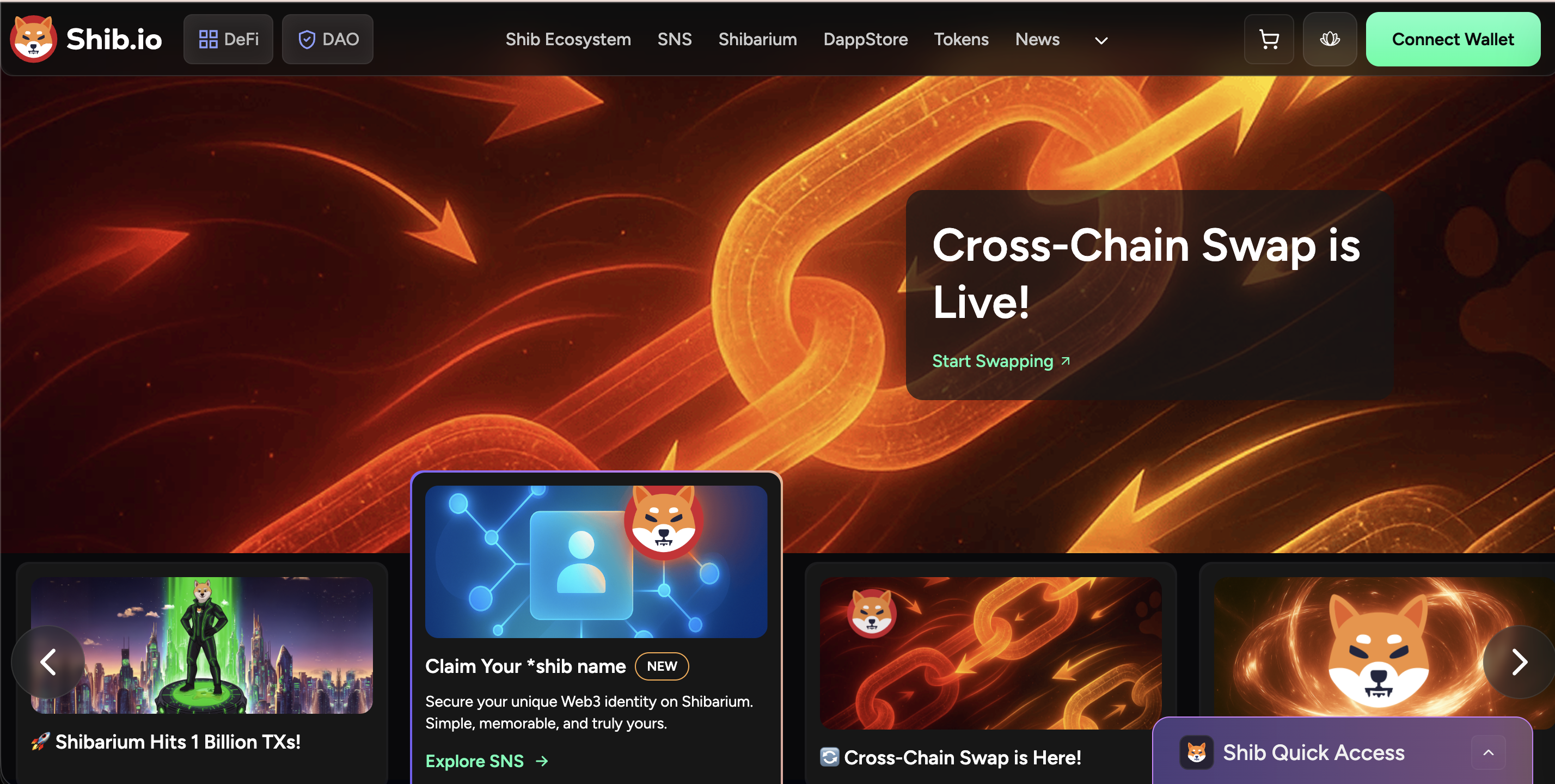
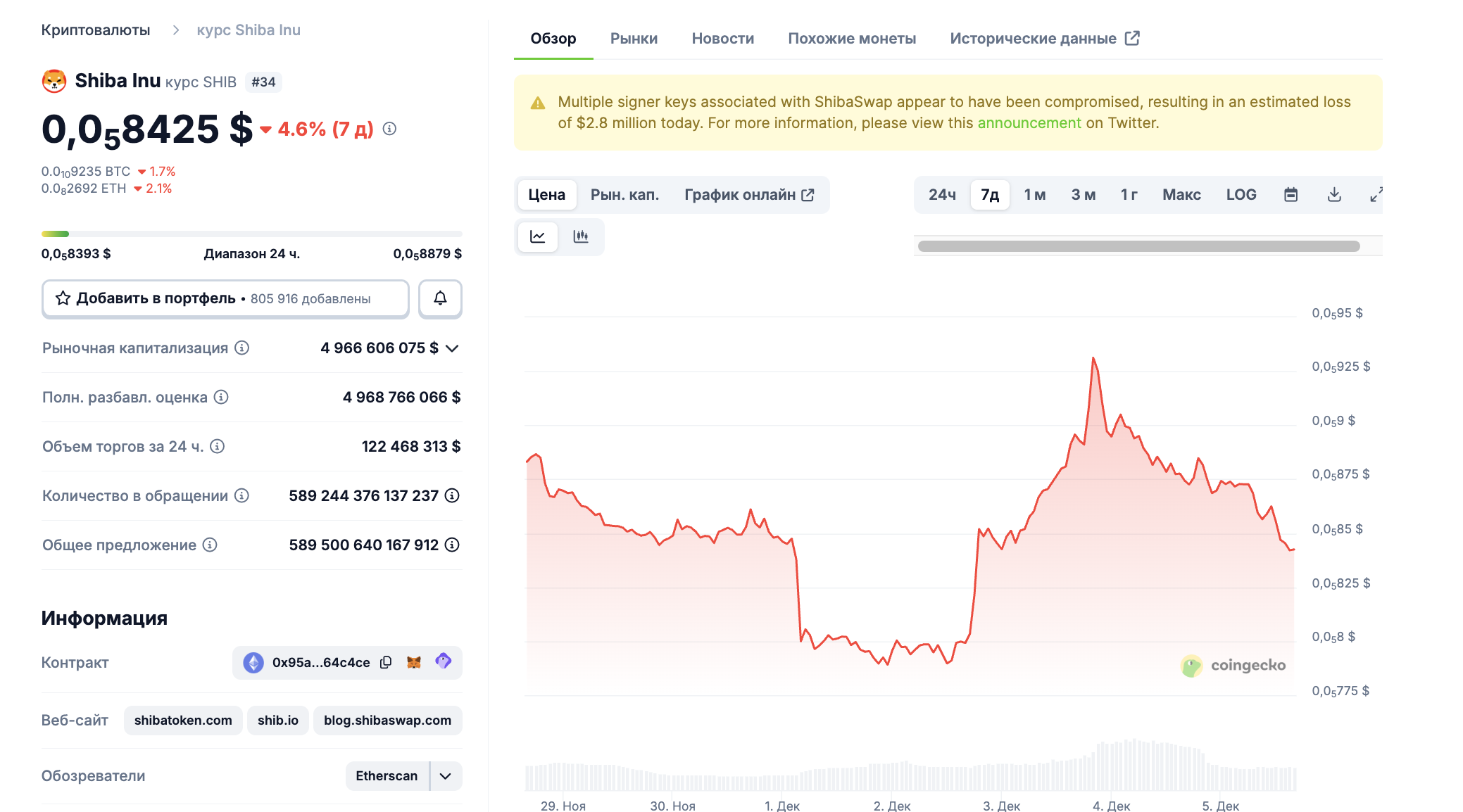
Shiba Inu is an Ethereum-based token that soared in popularity as a community-driven meme coin. While it began as a playful rival to other popular tokens, it quickly gained real-world trading volume. Because SHIB runs on Ethereum, you interact with network gas fees and decentralized platforms that accept ERC-20 tokens.
Knowing the basics helps you decide on the best method for selling. Here are a few key points:
- SHIB is traded on most major exchanges and many smaller platforms.
- Transaction times and fees can vary depending on network congestion.
- Price swings can be significant. High volatility means timing your sale thoughtfully can be important.
When you sell, aim to minimize fees, handle potential slippage, and confirm the receiving wallet details. Correctly doing these steps can keep you from losing money or valuable time in the process.
Pinpoint your reason to sell
Your motivation for selling SHIB shapes how and when you exit. Some people are eager to bank a profit, while others might need urgent cash or want to rebalance their portfolio. Think carefully about what you want:
- Profit-taking: Maybe you bought Shiba Inu at a lower price and want to lock in gains before the market changes.
- Diversification: If you have a large exposure to SHIB, converting a chunk into more stable assets might help spread risk.
- Emergency funds: You might need quick cash due to an unexpected expense. In that case, find a method that gets you your fiat promptly.
- Switching tokens: You could prefer to exchange SHIB for another cryptocurrency you see as more promising in the long term.
Stating your goal upfront can make your selling process smoother. For example, if you’re aiming to convert to fiat in a hurry, you’ll likely lean toward an instant swap or a straightforward exchange with immediate withdrawal to your bank.
Choose your selling method
In the world of crypto, you’ll find different ways to sell your Shiba Inu. Which one you pick depends on your comfort with exchanging, your need for speed, and the fees you’re willing to swallow. Here’s a breakdown of the main methods:
Centralized exchanges
A centralized exchange (CEX) is a familiar choice for beginners. You create an account, pass identity checks if required, and deposit your SHIB. Then you can sell it for your chosen currency.
Pros:
Beginner-friendly interfaces
Customer support services
Often offer competitive trading fees (though you should compare carefully)
Cons:
KYC requirements for larger sales
Can be restricted in certain regions
Withdrawal times vary
Many novices start with well-known centralized exchanges because depositing coins is straightforward. Once your SHIB is sold, you can often send the money to your bank account or convert it quickly to another digital asset.
Decentralized exchanges
Decentralized exchanges (DEXs) like Uniswap or SushiSwap let you swap tokens without a central intermediary. Trades happen through smart contracts, and you maintain control over your private keys.
Pros:
Greater privacy because no centralized entity holds your data
Wide range of tokens, including Shiba Inu
No sign-up or identity checks
Cons:
Potentially higher transaction fees due to Ethereum network costs
Requires using a self-custodial wallet
Price slippage can be significant if there’s insufficient liquidity
For users who value privacy and control over their assets, a DEX can be appealing. However, double-check transaction details before confirming. Blockchain-based trades often have irreversible outcomes.
Peer-to-peer (P2P) platforms
On a P2P platform, you directly trade with another individual. You post an offer, set your price in fiat or another crypto, and wait for someone to accept.
Pros:
Flexibility to negotiate prices and payment methods
Some platforms have escrow protection to ensure fair deals
Often fewer regional restrictions
Cons:
Takes time to find a buyer (or seller) who matches your terms
You might encounter scams if outside an established site
Price can be less favorable if supply or demand is low
P2P platforms shine if you want more control over payment methods or want to interact with local buyers. Just remember to stay vigilant by using secure platforms with escrow services and verifying user reputations.
Instant swap services
Instant swap services let you exchange SHIB for fiat or another crypto in a few clicks. These can be an ideal option when you’re craving speed or hoping to skip a lengthy sign-up.
Pros:
Super-fast trades
Straightforward user interface
Minimal or no identity verification for small transactions
Cons:
May have less competitive exchange rates
Purchase limits can be lower
Customer support might be limited
Services like these are perfect when you need immediate liquidity, but check any hidden fees. Sometimes, the convenience factor can mask slightly higher rates.
Prevent common costly mistakes
Even simple oversights can cost you. Here are common pitfalls to avoid:
- Misreading fees: Exchanges and Ethereum network transactions can pile up costs fast. Always review trading fees, withdrawal fees, and potential gas fees.
- Rushing your sale: Panic-selling during volatile periods might lock you into a lower price than you’d like. A cooler head usually leads to a better outcome.
- Wrong word or account: Copy and paste wallet addresses carefully, checking every character.
- Ignoring security steps: Without two-factor authentication (2FA) and strong passwords, you become an easy target for hackers.
Taking a little time to confirm each detail can avert lost funds and frustration. Crypto transactions often can’t be reversed, especially once they’ve left your wallet.
Explore Xgram for easy swaps

Xgram is a user-friendly exchange platform that allows you to trade popular cryptocurrencies, including Shiba Inu, without connecting an external wallet. Its streamlined interface shows you real-time rates, so you always know the cost of a swap before confirming your trade. You can execute both typical coin exchanges and peer-to-peer trades in one place, making Xgram versatile for beginners and seasoned traders alike. Best of all, Xgram’s approach to fees is often more economical—because you don’t have to link a separate wallet or pay extra network charges for certain swaps, you can save money on transaction costs. With quick processing, you also avoid the waiting game that sometimes happens on busier networks.
Sell using a step-by-step guide
If you’re new to this process, follow these steps for a smooth path to selling Shiba Inu on a centralized exchange or similar platform. You can adapt these steps for P2P or instant swap services too, but some details will differ.
Pick and register on your platform.
- Research which platforms operate in your region.
- Create an account and provide any needed identification if you plan to withdraw larger amounts.
- Set up a strong password and enable 2FA immediately.
Transfer your SHIB to the platform.
- Copy the deposit address from the exchange, ensuring it matches the SHIB network (ERC-20).
- Go to your personal wallet and paste the address. Confirm each character.
- Double-check any applicable network fees before executing the transfer.
Verify your balance.
- Wait for the deposit to confirm. Large deposits might need multiple confirmations.
- Once confirmed, your balance of Shiba Inu should appear in your account wallet.
Create a sell order.
- Find the SHIB trading pair you want to use (e.g., SHIB/USD, SHIB/USDT, or SHIB/BTC).
- Enter the amount of SHIB you plan to sell.
- Check your expected proceeds based on the platform’s order book or real-time price.
Monitor the price before finalizing.
- If you’re comfortable, use a market order for an immediate sale or a limit order to target your desired price.
- Double-check fees that apply to the trade.
Wait for the trade to fill.
- Market orders fill quickly at the current price, while limit orders fill only if someone matches your price query.
- Keep an eye on partial fills. Some trades split into partial orders if volume is uneven in the order book.
Withdraw or reinvest your proceeds.
- If you’re cashing out, choose your preferred withdrawal method (bank transfer, credit card deposit, or another path).
- Check withdrawal fees, as they can vary widely.
- For reinvesting, you can directly convert some or all of your new balance into another cryptocurrency.
Confirm the transaction.
- Look for a notification or email from the exchange.
- Manually verify that your funds reached your bank account or other wallet.
Following this blueprint can help you avoid skipped steps or hidden fees. Because each platform has a unique interface, it’s best to spend a few minutes exploring the site or app before you sell.
Convert Shiba Inu to fiat
Beyond receiving tokens, you might want those funds in your local currency. Here’s how to convert your SHIB proceeds to fiat:
Complete know-your-customer (KYC) procedures.
- Most platforms require ID verification to comply with regional rules.
- Without KYC, your withdrawal limits might be very low.
Select your currency.
- Look for pairs like SHIB/USD or SHIB/EUR.
- Alternatively, convert SHIB to a stablecoin like USDT first, then trade for your fiat.
Choose a withdrawal method.
- Bank transfer is common, though it might take one to three business days.
- Some platforms let you withdraw to a debit/credit card. Fees can be higher, but you may get instant access.
Review fees.
- Compare each payment channel. A wire transfer might charge a flat fee, while card transactions could take a percentage.
- If time isn’t critical, you can often pick the cheapest route.
Confirm details and finalize.
- Enter your banking info and double-check account numbers.
- Submit the withdrawal. Watch for email or SMS confirmations.
Fiat conversion policies differ from country to country, so glance at local laws about crypto trading, reporting, or taxes. Staying informed ensures no unwelcome surprises.
Keep your funds secure
When you’re finished selling, security still matters. Even if you plan to hold your newly converted fiat in a bank, you may still keep some leftover crypto or want to continue trading. Following basic security measures is never a wasted effort:
- Use robust passwords: A random string of letters, numbers, and symbols is harder to crack than a simple phrase. Consider a password manager.
- Embrace two-factor authentication (2FA): 2FA adds a layer of protection. Hackers can’t get in without physical access to your device.
- Beware of phishing scams: Fake emails and websites can look genuine. Always type the valid URL or use a trusted bookmark.
- Avoid suspicious Wi-Fi networks: Using free public Wi-Fi can expose your credentials. Wait until you’re on a secure connection.
- Keep backups: Store recovery phrases or seed words in a secure, offline spot. This ensures you can restore your wallet if needed.
Security is about staying alert. Many costly mistakes start with a moment of inattention or a hasty click.
Frequently asked questions
1. Which method is best for beginners?
If you’re new to crypto, you might find a centralized exchange the easiest. They have user-friendly interfaces, plenty of liquidity, and step-by-step guides. That said, instant swap services can also be straightforward if speed is your top priority.
2. How do I minimize gas fees on Ethereum?
Gas fees depend on overall network traffic. You can save by making transactions during off-peak times when the Ethereum network is less congested. Also, confirm your wallet’s recommended gas fee settings. If you’re flexible with timing, waiting for lower activity can help you avoid steep fees.
3. Is it safe to use P2P platforms?
Yes, if you stick to reputable platforms that offer escrow services. Escrow acts as a trusted middle layer—once you and the other party confirm all details, the funds are released. Always check the user’s feedback score, and if a deal feels suspicious, pass on it.
4. Can I directly swap SHIB for other cryptocurrencies?
Absolutely. On many centralized and decentralized exchanges, you can trade SHIB for stablecoins like USDT or for other tokens like ETH. If you’re short on time, instant swap services and platforms like Xgram also let you trade quickly without having to connect specialized wallets.
5. What if there’s a price drop just as I sell?
Price drops are common in the volatile crypto market. If you’re using a market order, your tokens will likely sell at the next available price. With a limit order, you can set a specific price but risk the order not filling if the market moves away from it. Monitoring price trends or using tools like price alerts can help you time your trades wisely.
Selling Shiba Inu doesn’t have to be complicated. Start by clarifying your reasons, pick a method or platform that balances speed, security, and fees, and finalize your trade with care. By staying mindful of potential pitfalls—and by leveraging straightforward options like Xgram—you’ll stay in control of your assets. Go step by step, keep your guard up against scams, and you’ll find that converting SHIB to cash or other tokens can be smoother than you might expect. Above all, trust the process, stay informed, and keep your financial goals front and center.