If you are wondering how to sell Polkadot, this guide will show you exactly what to do before, during, and after your transaction. In the next few minutes, you will discover how to minimize fees, select the right platform, and sidestep common mistakes. You will also see a clear, step-by-step path to converting your Polkadot (DOT) into cash or another cryptocurrency. Below is a quick TL;DR if you need an immediate snapshot.
TL;DR (3–4 sentences):
- Selling Polkadot involves checking market conditions, picking a trusted exchange or platform, and confirming your DOT wallet details.
- Centralized exchanges are the most common option, but peer-to-peer (P2P) services and instant swaps also offer flexible approaches.
- Always track fees, confirm the correct deposit addresses, and complete any required identity verification in advance.
- Reviewing your plan before you sell helps you avoid last-minute errors and protect your profits.
Know your Polkadot basics

Polkadot is a next-generation blockchain that aims to connect multiple specialized chains into a single network. Its native token, DOT, is used for governance, staking, and bonding new chains to the Polkadot ecosystem. You might have bought DOT as a long-term investment, for use within a specific project, or simply out of curiosity.
Before you sell Polkadot, it is crucial to understand why you are making this move. Maybe you want to cash out to cover expenses, rebalance your portfolio, or switch to another token. Clarifying your goal will guide you in choosing the right selling method. Once you have a clear reason, you will find it easier to decide which exchange or marketplace suits you best.
Compare your Polkadot selling methods
Several platforms make it simple to convert DOT into other cryptocurrencies or fiat currencies. Each option has pros and cons. When you compare them, think about fees, transaction speed, user-friendliness, and the level of personal control you want over your assets.
Centralized exchanges
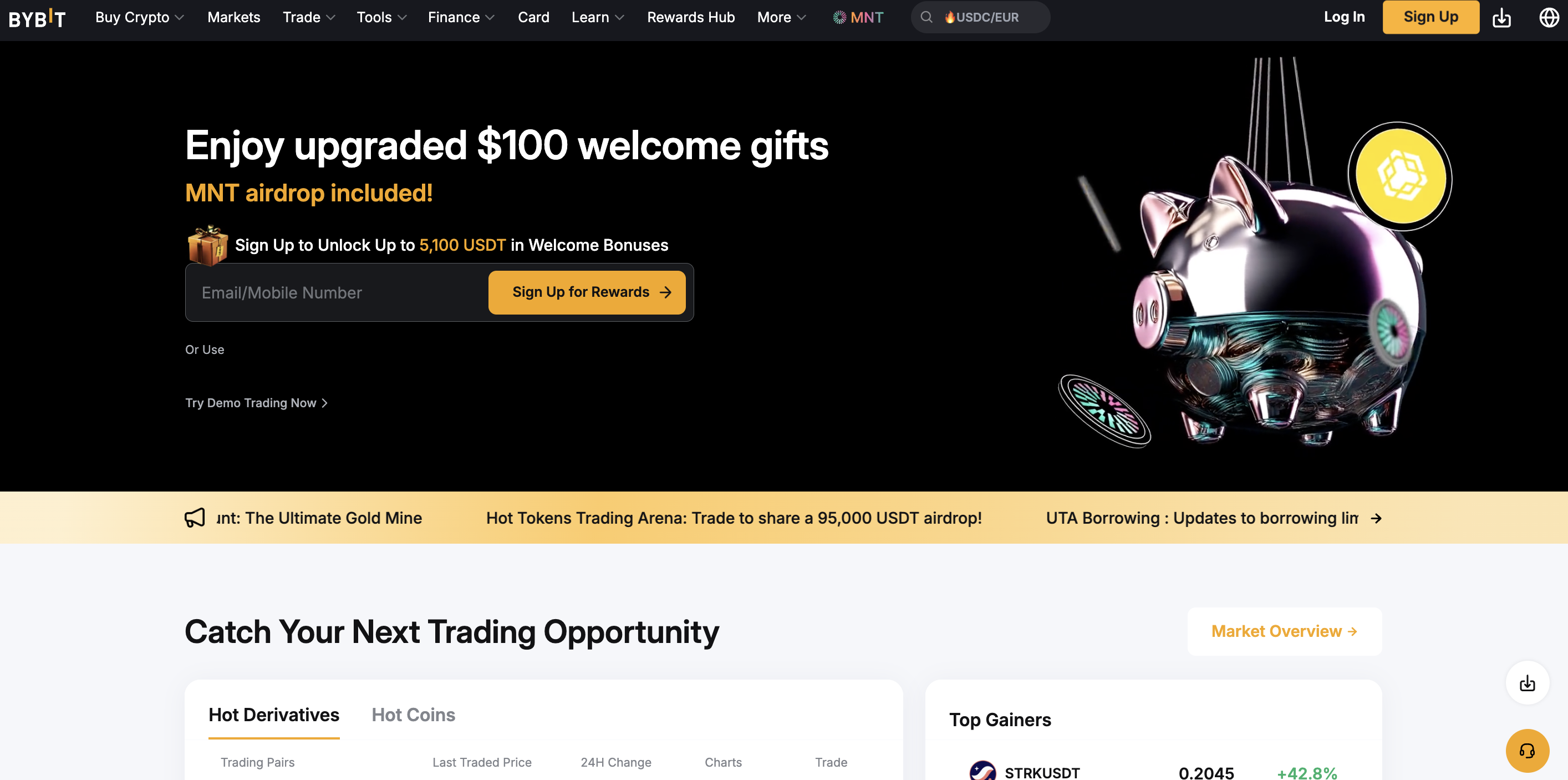
A centralized exchange (CEX) is where most beginners choose to sell Polkadot. These exchanges are typically run by established companies that match buyers and sellers. You register an account, pass identity checks (depending on the platform’s Know Your Customer rules), deposit your Polkadot, and then place a sell order.
Advantages:
- Usually straightforward for newcomers.
- Higher liquidity, meaning you can sell your DOT faster.
- Various order types (market, limit, stop-loss), giving you more control.
Disadvantages:
- You must trust the exchange with custody of your crypto.
- Withdrawal fees might be high for certain pairs.
- Generally requires identity verification, which can take time.
If you want simplicity and do not mind verifying your identity, a centralized exchange is a strong option. However, always check the deposit and withdrawal policies to avoid any surprise fees.
Peer-to-peer (P2P) trading
Peer-to-peer (P2P) trading platforms let you sell DOT directly to another individual. You create an offer, specify the price and payment methods you accept, and wait for someone to match your order. This process can be more flexible, especially if you need a specific local payment method.
Advantages:
- Potentially lower fees since there is no centralized intermediary.
- Direct negotiation with buyers, letting you decide your own terms.
- More payment options, such as local bank transfers or in-person deals.
Disadvantages:
- Finding a trustworthy buyer might be a challenge.
- Transactions can take longer, depending on payment method.
- Potentially higher risk of fraud if the platform lacks solid escrow protection.
If you decide on P2P, choose a service with a reputable escrow system to handle the exchange of funds. This step helps ensure that both parties complete the transaction fairly.
Instant swap services
Instant swap services are platforms that carry out quick transactions in the background without requiring you to set up trading pairs or create detailed orders. You simply specify which assets you are sending and which assets or fiat you want to receive.
Advantages:
- Fast transaction speeds — sells can finalize in minutes.
- No complex interface or advanced trading features to figure out.
- Usually do not require you to connect a separate wallet to the platform.
Disadvantages:
- Exchange rates can be less favorable than on major CEXs.
- Limited control over transaction details.
- Some services charge higher fees for convenience.
Instant swap services are a good solution if your main goal is a quick transaction and you prefer minimal setup. Just confirm the total cost upfront to avoid any hidden fees.
Common pitfalls to avoid
When you sell Polkadot for the first time, it is easy to stumble into the same mistakes many newcomers make. Here are the most common ones, and how to steer clear:
Sending DOT to the wrong address
- It sounds obvious, but copying and pasting a string of characters can be error-prone. Always double-check the target address before you hit “Send.” One missing or incorrect character can cause permanent loss of your DOT.
Overlooking transaction fees
- Every platform has some combination of deposit, network, or withdrawal fees. Confirm your total cost, including fees, to understand how they will affect the final amount you receive.
Forgetting to complete KYC/AML requirements early
- Many centralized exchanges freeze or delay withdrawals if your account has incomplete identity verification. Start the verification process well in advance. That way, you can sell when market conditions are ideal, rather than scrambling to submit documents last minute.
Ignoring market trends
- If you want the highest price, keep an eye on market fluctuations. Selling at a low point simply because you need quick cash might feel painful. Even a few days of waiting can sometimes bring more substantial returns, although there is no guarantee.
Failing to secure your accounts
- Use unique passwords, enable two-factor authentication (2FA), and be on the lookout for phishing attacks. When you have sold your DOT, remember to withdraw your funds or keep them in a secure wallet until you are ready for your next move.
Step-by-step guide to selling Polkadot
When you are ready to sell, here is a concrete sequence you can follow. Adjust each step based on the type of platform you choose.
Choose your selling platform
Review the considerations above (CEX, P2P, instant swap). Think about fees, trust, and how quickly you want to complete the sale.
Verify your account (if using a CEX)
- Go through the creation or login process on your chosen exchange. Complete any KYC steps required for making withdrawals.
Transfer Polkadot to your account
- Generate a DOT deposit address on the exchange. Copy the address. Go to your personal wallet, paste in that deposit address, and send the desired amount of DOT. Wait for confirmations within the Polkadot network to see your balance appear.
Check the DOT price and decide your order type
- If you use a CEX, open the DOT/USDT or DOT/USD trading pair. Choose a market order for a quick sale at current prices, or a limit order to define the price you want to sell at.
Execute the trade
- Submit your order. Watch for any pop-ups confirming the sale. If you picked a limit order, it might take a bit more time to fill if the market price has not reached your chosen level.
Convert your funds or withdraw directly
- After your DOT is sold, you will hold either fiat currency (like USD) or a stablecoin (like USDT) in your exchange account. Determine whether you want to withdraw to your bank, move to another crypto wallet, or reinvest in a different asset.
Keep a record
- Store details of your transaction (date, amount, price). Maintaining accurate records is essential for tax reporting and general tracking of your portfolio performance.
Using Xgram for simpler trades
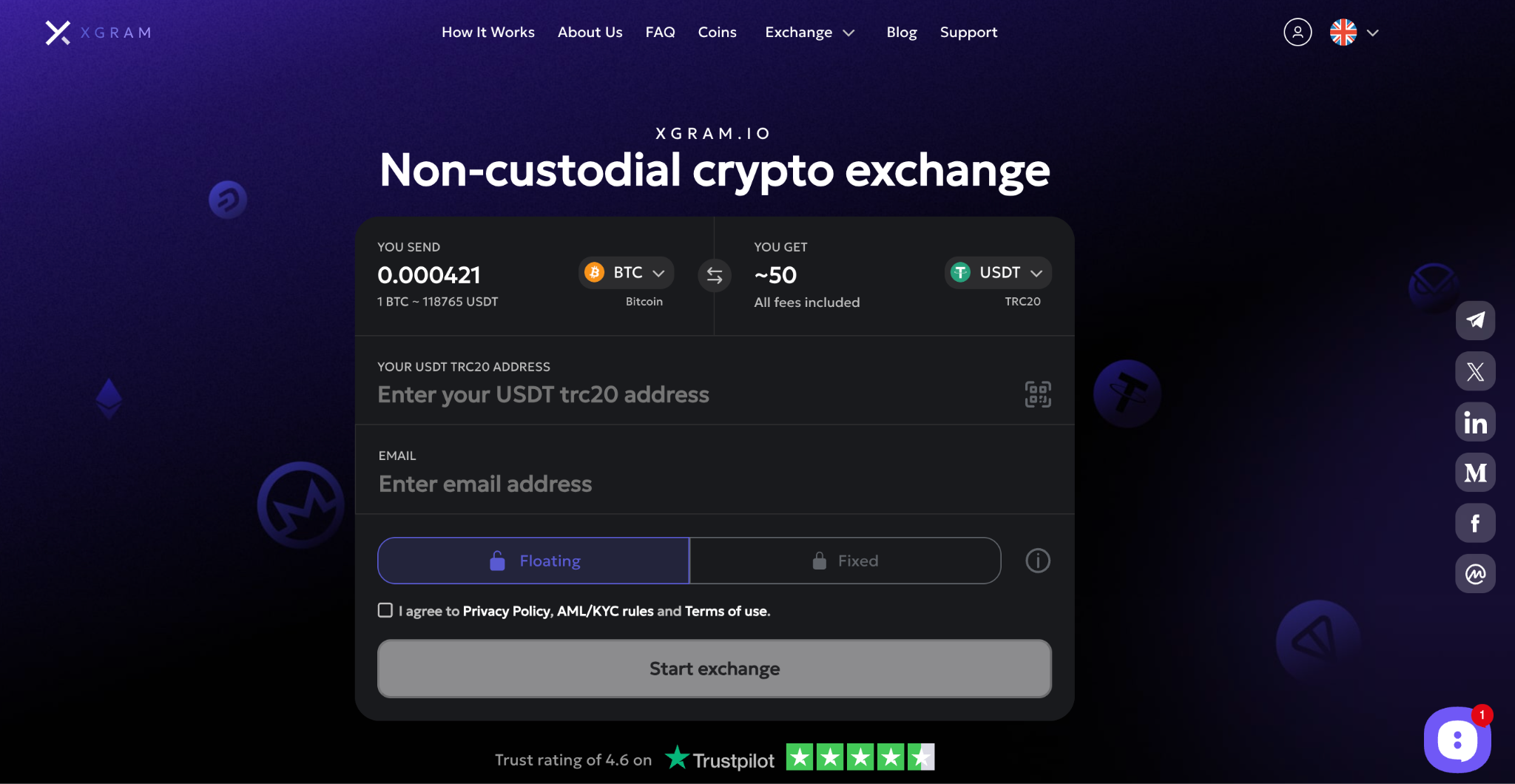
Xgram is an instant swap service that can help you sell Polkadot without connecting a separate wallet. You simply visit their website or app, pick DOT as the coin you want to sell, and select what you want in return (fiat, stablecoin, or another crypto). Xgram handles the conversion behind the scenes, so you do not have to worry about the typical deposit, trading pair, or order book steps. You also save on extra fees because the platform focuses on straightforward exchange rates, letting you see exactly what you will get before you swap. For beginners, Xgram can be an easy option to test the waters of crypto selling without juggling multiple tools or steps.
Frequently asked questions
Why should I sell Polkadot on a centralized exchange?
Selling on a centralized exchange usually provides more liquidity and a simpler user interface. You also have access to multiple order types. However, CEXs might require full identity verification and can apply certain limits on withdrawals.Is there a minimum amount of DOT I need to sell?
Each platform sets its own minimum trade or withdrawal limit. If you are using a CEX, check their “minimum order size” rules. P2P platforms let you specify your offer, but you still need enough DOT to make the trade worthwhile after fees.How quickly can I get my money from selling Polkadot?
That depends on the platform and your chosen withdrawal method. Instant swaps can finalize in minutes, while P2P trades may require extra time for the buyer to send payment. Bank transfers typically take a day or two to appear in your account, depending on your country and bank.Is Polkadot more complicated to sell than Bitcoin or Ethereum?
Polkadot shares many similarities with other major cryptocurrencies in terms of the selling process. As long as the platform supports DOT, it is not much more complicated. The key difference is verifying that you use the correct DOT deposit address and double-checking any network fees.Can I sell Polkadot anonymously?
Total anonymity is rare due to increasing regulations. P2P platforms might offer some level of privacy, but to convert to fiat, you often need to complete identity checks at some stage. Always review the legal requirements in your jurisdiction before proceeding.
Conclusion and next steps
Selling Polkadot can feel intimidating, but a few careful steps will help you avoid costly mistakes. First, decide whether a centralized exchange, peer-to-peer marketplace, or an instant swap platform best fits your goals. Then, complete any required account verifications, transfer your DOT, and keep a sharp eye on fees to protect your profits.
Once you have made the sale, do not forget to record the details of your transaction. Good records make it easier to handle taxes and track your overall gains or losses. The market moves quickly, so a bit of preparation goes a long way toward avoiding surprises. Now that you understand the main methods, you can approach every transaction with more confidence. Whether you plan to reinvest or withdraw to your bank account, you hold the knowledge to navigate the process smoothly. Good luck with your Polkadot sale and your future crypto endeavors!