Selling Chainlink can be a straightforward process if you know which tools to use, how to minimize fees, and how to protect your funds. As a beginner, you may feel overwhelmed by the variety of platforms and trading methods, but you can absolutely navigate this space with a little guidance. Below is a quick rundown of what to expect.
TL;DR (Short Version)
You can sell your Chainlink (LINK) on centralized exchanges, use peer-to-peer marketplaces, or try an instant swap service. Compare fees and security features before committing to a platform. Transfer your Chainlink to your chosen marketplace or aggregator, decide on the timing of your sale, and monitor your transaction to avoid errors. Finally, keep your private details safe and plan your withdrawal to a secure bank or digital wallet.
Understand how to sell Chainlink
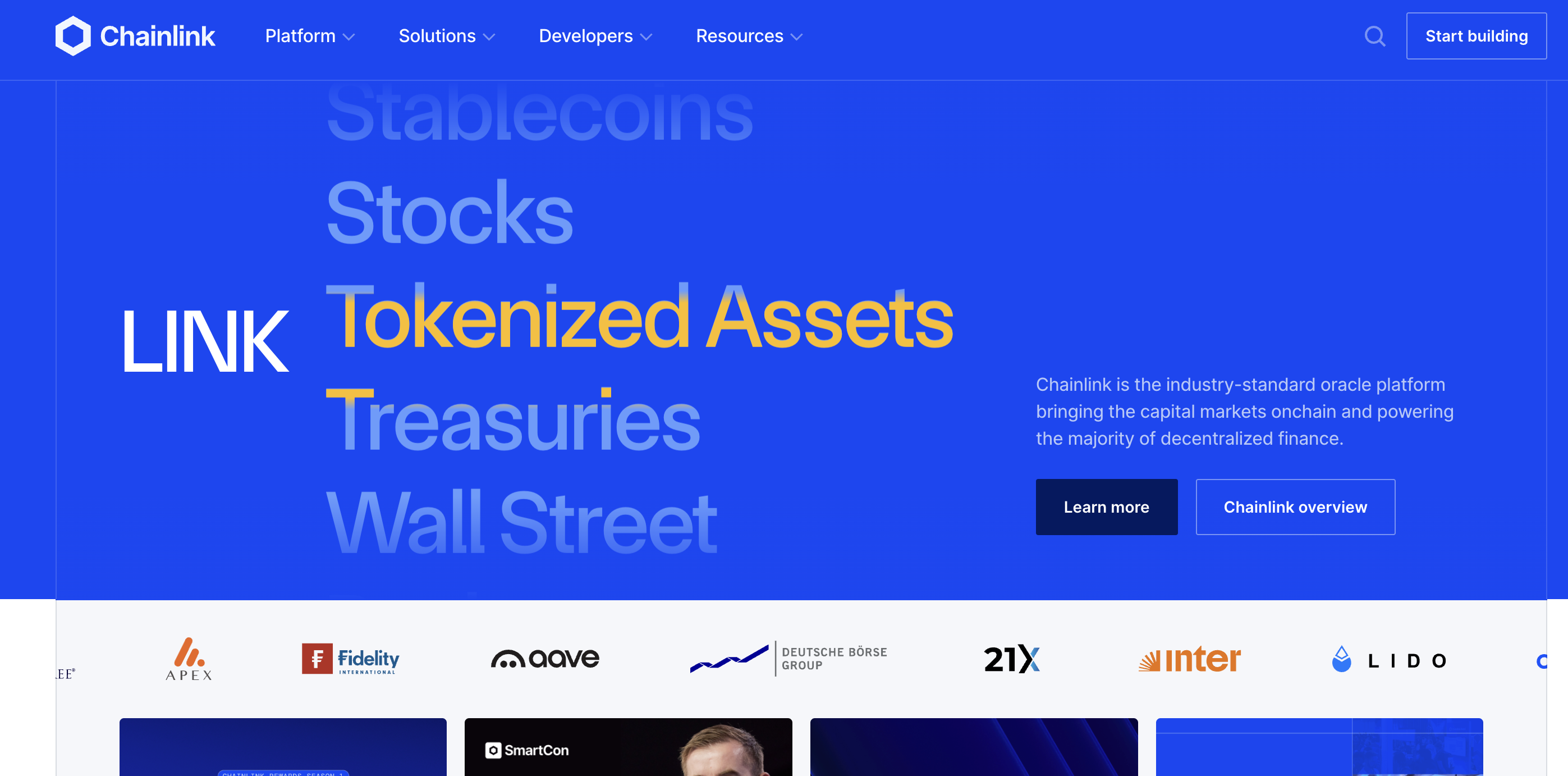
Chainlink is a decentralized oracle network often used to bring real-world data into blockchain environments. Although it’s widely popular, you may eventually want to convert it to cash or another cryptocurrency. Before you proceed with any sell transaction, make sure you grasp these basics:
- You can sell Chainlink on various platforms, each varying in liquidity, fees, and ease of use.
- Selling typically involves either exchanging Chainlink for a fiat currency (like USD) or swapping it for another cryptocurrency.
- You need a secure wallet that holds your Chainlink, whether it’s a software wallet, hardware wallet, or an exchange-based wallet.
- Some platforms require user verification (KYC), and some do not, although unverified platforms may have stricter withdrawal limits.
By understanding these core ideas, you’re already one step closer to safely turning your Chainlink investment into concrete value.
Choose your selling method
When figuring out how to sell Chainlink, selecting the right channel is crucial. You have a handful of options—consider which fits your goals and comfort level.
Centralized exchanges
These are regulate platforms run by companies that match buyers and sellers. They often require you to sign up, complete identity checks, and transfer your crypto into an exchange wallet.
- Pros: High liquidity, often user-friendly interfaces, multiple trading pairs.
- Cons: Custodial environment (they hold your funds temporarily), may have withdrawal or trading fees.
Decentralized exchanges
Commonly known as DEXs, these platforms let you trade directly from your wallet. You retain ownership of your crypto keys, which can boost security but may add some complexity.
- Pros: You stay in control of your private keys, generally no mandatory KYC.
- Cons: Fewer direct fiat options, potentially higher slippage for tokens with low liquidity.
Peer-to-peer marketplaces
P2P platforms connect you directly with other individuals who want to buy or sell Chainlink. You can negotiate prices, payment methods, and other conditions.
- Pros: Flexible payment methods, more freedom to negotiate terms.
- Cons: Lower liquidity, risk of scams if you don’t follow escrow rules or verify reputations thoroughly.
Instant swap services and aggregators
These sites compare multiple exchange routes or enable automated crypto swaps without requiring you to store funds on a centralized platform.
- Pros: Quick and usually simple, often no account required.
- Cons: Exchange rates can vary, so always check fees before finalizing a transaction.
Consider Xgram for easy exchanges

One aggregator you could explore is Xgram. It allows you to exchange Chainlink and other cryptocurrencies with minimal fuss, often at competitive rates. You do not have to connect your personal wallet on Xgram—simply create an account and deposit your Chainlink. By using Xgram, you can take advantage of potentially lower fees compared to larger platforms. It’s designed to streamline the swap process, which makes it especially appealing to beginners who want a hassle-free experience.
Prepare your Chainlink for sale
Once you pick your preferred method, the next step is to prep your Chainlink for a smooth transaction. This usually involves:
Moving Chainlink to an appropriate wallet:
- If you use a centralized exchange, you’ll deposit from your personal wallet into your exchange wallet.
- If you choose a DEX or aggregator like Xgram, you’ll send LINK to an address they provide or interact with the platform’s interface.
Checking minimum deposit requirements:
- Some platforms require a minimum amount of LINK before you can trade or withdraw.
Confirming your identity (if needed):
- Centralized exchanges typically need KYC.
- Make sure you have all necessary documents ready to avoid delays.
Start small if you’re new to the process. Transferring a small test amount of Chainlink can confirm that everything is functioning as it should before you commit a larger amount.
Set a sale strategy
Yes, you can simply click “sell” when Chainlink’s price hits your desired target, but there are multiple strategies to consider. Decide on a plan that matches your needs, whether you’re looking to lock in profits at a certain price or systematically reduce your holdings.
Lump-sum sale:
- Sell your entire Chainlink position all at once.
- Suitable if you’ve reached a specific profit goal or want a quick exit.
Incremental sales (dollar-cost averaging out):
- Sell small portions over set intervals or price points.
- Helps you hedge against market volatility since you won’t sell everything on one price point that could be temporarily low.
Partial profit-taking:
- Sell some Chainlink to recoup your initial investment while leaving some in your portfolio for potential future growth.
- A balanced approach that can help you manage risk without fully exiting.
You can analyze historical trends and current market signals, but keep in mind that no one can predict crypto prices with absolute certainty. The best plan typically aligns with your personal financial priorities and risk tolerance.
Execute the sale step by step
Although each platform’s interface differs, the process often follows a common pattern.
1. Initiate the sale
If you’re on a centralized exchange, go to the trading interface and pick a pairing, such as LINK/USD or LINK/BTC. Enter the amount of Chainlink you want to sell, then place a market or limit order.
- Market order: Sells instantly at the current market price.
- Limit order: Lets you specify the exact price at which you want to sell. If the market price doesn’t reach your limit price, your order won’t fill.
On a P2P platform, you’ll usually post an ad or respond to an existing offer. If you choose an aggregator like Xgram, you’ll follow its swap instructions and confirm the transaction details.
2. Wait for confirmation
Most platforms will either:
- Immediately swap or fill your order, in the case of market orders.
- Wait for a matching buyer, in the case of limit orders or P2P ads.
Keep an eye on the progress. If it’s a P2P sale, follow any escrow instructions carefully to protect yourself from fraud. On a centralized exchange, you might see a status update in your open orders tab. If you’re using Xgram, you’ll likely see a confirmation once the swap completes.
3. Verify your balances
After the order executes or the swap finalizes, confirm that your new balance (fiat currency or another crypto) is now in your account. If you’ve sold for fiat, check how the platform handles withdrawal—for example, wire transfers, bank deposits, or debit card transactions. If you’ve swapped into another crypto, look in your wallet for the updated token balance.
Protect your transaction
Selling Chainlink involves both technical and personal risks. Keep these safety steps in mind:
- Use secure internet connections: Avoid making crypto transactions on public Wi-Fi, as you risk exposing your information to hackers.
- Enable multi-factor authentication: Add extra security layers to your exchange or aggregator account so that intruders can’t simply guess your password.
- Beware of phishing links: Always confirm you’re on the correct website or official app. A single careless click can lead to stolen funds.
- Check your addresses: Mistyping a wallet address is one of the biggest reasons for lost crypto. Double-check recipients and amounts.
- Monitor your transaction history: Review your deposit, orders, and withdrawal logs. Report any suspicious activity to the platform’s support team.
Finalize your withdrawal
Securing your new fiat or crypto holdings after the sale is a crucial step many beginners overlook. Once you convert your Chainlink, decide where you want those proceeds to reside.
Moving fiat to a bank account
If you plan to spend the money or keep it liquid, you may want to transfer your earnings to an external bank account. Watch for withdrawal fees or limits—these can vary widely from one platform to another.Withdrawing to a crypto wallet
If you sold Chainlink for another cryptocurrency, weigh the benefits of holding it on an exchange versus storing it in your personal wallet. Leaving it on an exchange could be convenient for trading, but a personal wallet can provide added security.
This final step ensures you stay in full control of your assets, whether you want them in digital form or in the bank for day-to-day use.
Frequently asked questions
Below are five common questions you might have about selling Chainlink and protecting your investment.
Can I sell Chainlink anonymously?
If anonymity is crucial to you, decentralized exchanges and P2P platforms with escrow services may be your best bet. However, many well-known centralized platforms require identity verification to comply with regulations.What if my transaction is stuck?
Transaction speeds can slow down during network congestion or when the chosen blockchain has high traffic. If you’re worried, contact support and verify you’re using the correct transaction ID or reference number.Is selling Chainlink taxable?
In many jurisdictions, selling cryptocurrency is considered a taxable event. Check your local laws and keep track of your transaction history so you can accurately report income or capital gains.Why did I get less than the market price?
Exchange platforms charge different fees, including trading fees and withdrawal fees. Also, some currencies have price slippage when market orders are large or liquidity is low. Always compare platforms or consider a limit order if you want a specific price.How do I pick the right exchange or aggregator?
Look for user-friendly interfaces, robust security measures, and transparent fee structures. Liquidity is also important—avoid platforms with extremely limited availability for Chainlink. Many beginners prefer an aggregator like Xgram because it bundles various offers, aiming for convenient trades with fewer hidden charges.
Next steps
You now have a clear roadmap for how to sell Chainlink, from weighing the various trading methods to securing your final withdrawal. Whether you opt for a centralized exchange, a P2P network, a DEX, or an aggregator like Xgram, a few careful steps can help you avoid the most common crypto pitfalls.
- Start by identifying your primary goal (cash out or swap).
- Choose a platform that offers a balance of convenience, cost, and security.
- Transfer your Chainlink thoughtfully—always do a test deposit first.
- Use strong security measures and keep your personal data safe.
- Withdraw your funds to a trustworthy location, whether that’s a bank account or personal wallet.
The world of crypto might seem complex, but once you’ve sold Chainlink a few times, the process becomes second nature. Plan diligently, stay vigilant, and you’ll protect your investment every step of the way.